
Five Signs You Have Stopped Being a Visitor in Italy
Ask anyone who has moved to Italy and the story starts the same way: a few months of pasta and gelato, then the bureaucracy arrives and “on time” turns out to be a suggestion. Somewhere in the middle of that, without anyone announcing it, the country begins to rearrange you. This guest post comes from Cassandra Tesi, who has been living here with her family and is coming up to her third year.
We noticed the change the way you notice a haircut: not at all, and then all at once. These are the five moments we realised we had stopped visiting and started living here.
One: pasta became a timetable, not a treat
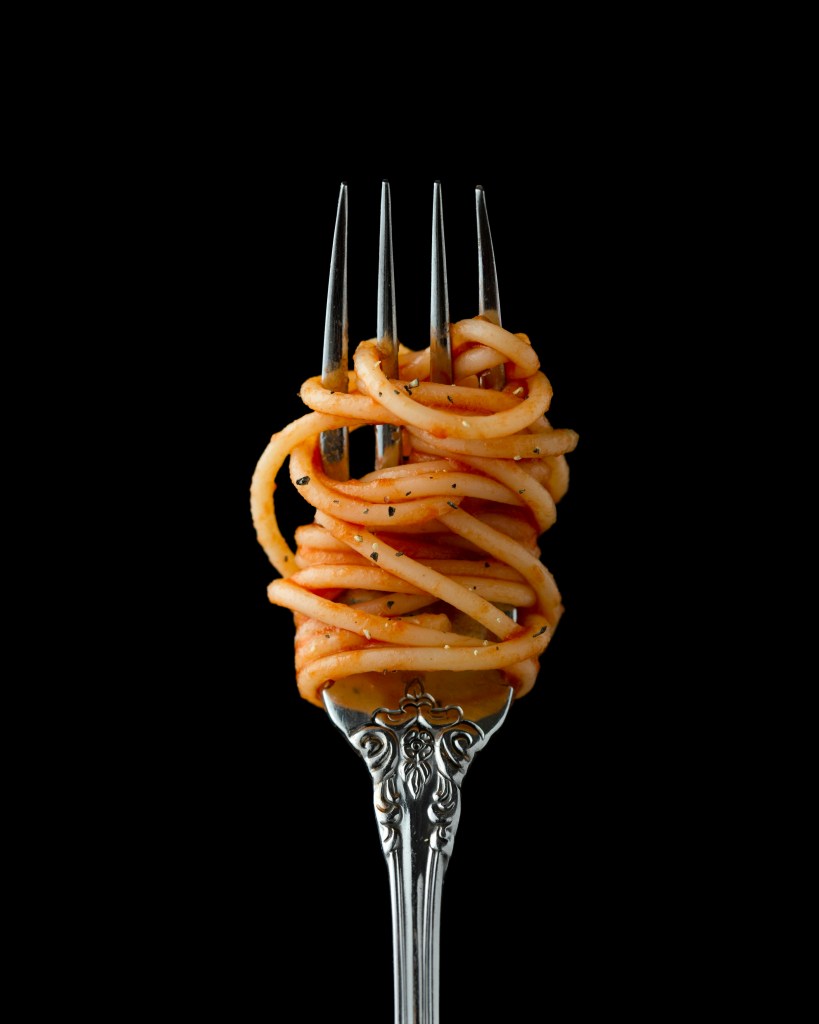
The stereotype is true, and living here is what proved it. A typical Italian eats pasta at least once a day, usually at lunch, and in smaller towns and rural areas many households still make it by hand. That is not a foodie affectation; it is simply how the week is organised.
It took us a while to follow. Not because we did not like pasta, but because we needed versions that were simple, healthy and quick enough for a working week. Our daughter, who goes to preschool here, now has pasta with red sauce almost every day as part of a four-course lunch. By this point it is a family ritual, and rituals are not up for negotiation.
Two: the middle of the day went quiet
Italy is a country of very different regions, but riposo crosses all of them. The break falls after lunch and before the evening: in the south especially, shops and restaurants shut around one or two in the afternoon and open again at four or five. For Americans whose last address was New York, where you can buy almost anything at almost any hour, this felt like an obstacle at first.
Give it a few months and it reads differently. The pause imposes a rhythm: slower, more deliberate, with a clearer sense of what actually has to happen today. The one thing you can rely on is the local bar, which is what Italians call a café. Closing for riposo is one thing; running out of coffee is unthinkable.
Three: we stopped asking Google and started asking people
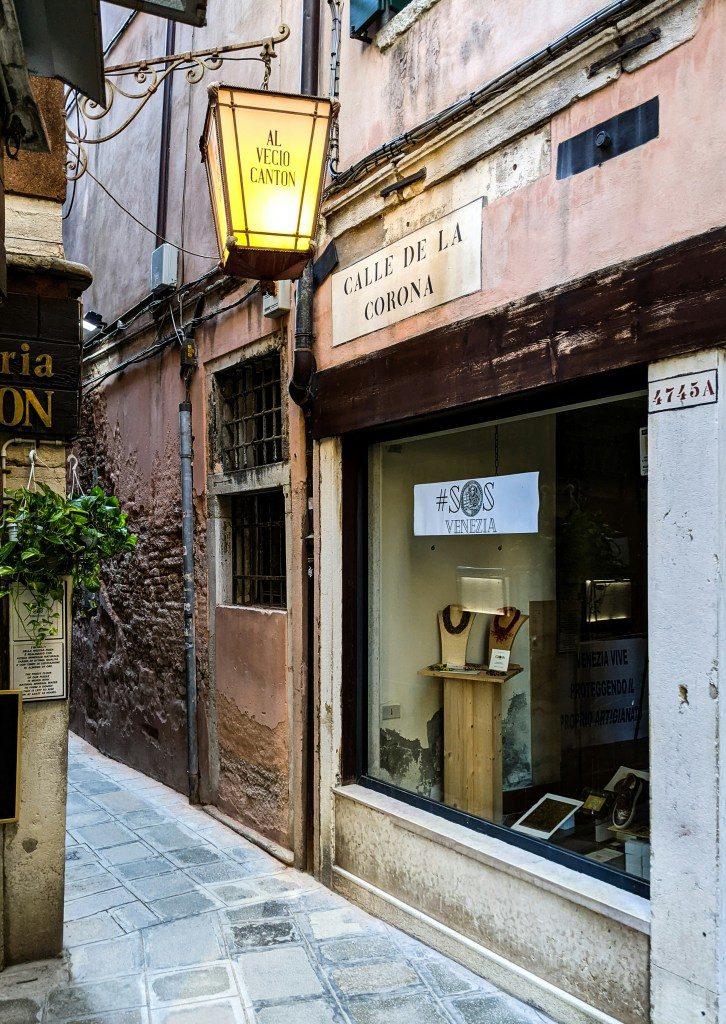
Within days of driving around, we noticed what Italian drivers do when they are lost: they pull over and ask the nearest pedestrian. Strangers will stand on a pavement for several minutes discussing a route they could probably have found on a phone. That is not the Italian way.
Asking someone who knows the area is simply better. No app can match a local who knows the shortcut that saves five minutes, and possibly a toll. We do not stop to ask as often as they do, but we have gone low-tech in our own way: we follow the road signs. Italy is well marked, and if you know the name of the town you are heading for, the GPS becomes close to unnecessary.
Four: “later” turned out to be a unit of mood
Time here is fluid, particularly when plans are being made or a conversation is being wrapped up with a promise. A plumber will finish the job “later”. A hostess will have your table ready “later”. Pinning down an hour can be impossible, and over time you learn that the word holds several different meanings depending on who is saying it.
People who need certainty find this maddening. We found it humbling. Most of what we once believed had to happen immediately, it turns out, could wait until tomorrow, and nothing fell apart.
Five: summer bedtime stopped existing
When our daughter was a newborn we kept to a strict schedule, determined that late nights would not become a habit. Then we moved here and saw children, babies included, out with their parents well into the evening. Bedtime is a loose idea, and children adjust to the family's rhythm rather than the clock.
For the first year we resisted. Humans adapt faster than they expect. We let go of the routine, and the result was a child who is more flexible and, curiously, still returns to an earlier bedtime without complaint once school starts. In summer we think nothing of being out until eleven at night. No harm done.
The honest summary
None of this happens quickly, and none of it is really about pasta or siestas. It is about accepting that your day belongs to a place with its own tempo. If you recognise yourself in these five, you have probably been here long enough to stop counting the months.
Do you relate to these signs, or have more to add? The comments are open.

Author Bio
Cassandra Tresl is the author and owner of Adventures of Ace, a travel blog that helps fellow adventurers uncover underrated destinations, budget travel hacks and family travel tips. She serves as the head co-pilot on road trips and is known to get captivated for hours by a search in Google Maps. When she is not writing, Cassandra enjoys navigating life abroad in Italy and cooking for her daughter and husband.
Discover more from Europe Diaries
Subscribe to get the latest posts sent to your email.
Nic's Adventures
Thanks for sharing, what an interesting take on the expat life, I had to adjust to things as a child when I lived abroad, most of them I still do as an adult 🙂