

When to Go to Greece: A Season-by-Season Guide
Greece has a way of making people book a return trip before they have even left. The beaches, the archaeology and the food are the obvious draw, and the country handles its millions of annual visitors with practised ease. What changes is the mood of the place, month by month, and choosing the right region for the season matters more than any packing list.
Spring, summer, autumn and winter each suit a different corner of the mainland or the islands. Here is the short version, followed by the detail.
The short answer
- Spring – the monasteries of Meteora and the mountains of Epirus
- Summer – island hopping, from Mykonos to Santorini
- Autumn – Corfu and its UNESCO-listed Old Town
- Winter – Athens, for museums, food and city life
Spring: Meteora without the scrum
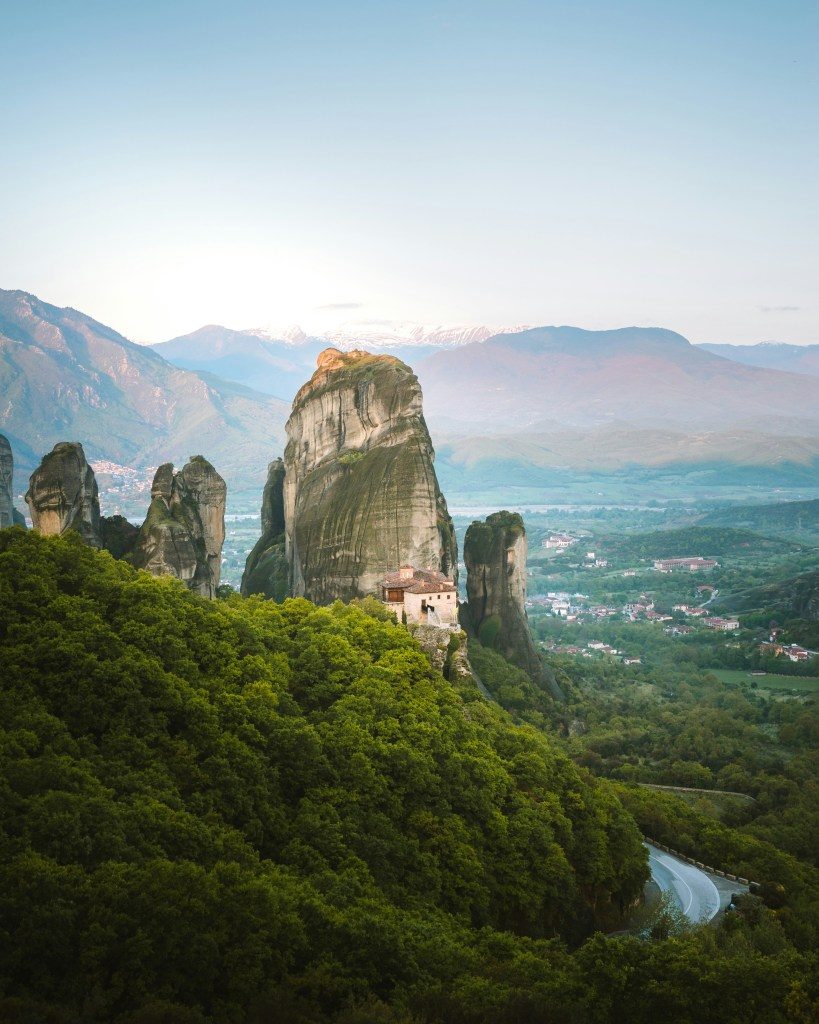
Photographs of the Meteora monasteries are everywhere, which is precisely the problem in July and August: the viewpoints fill, the organised tours either sell out or push their prices up, and a quiet angle for a picture becomes hard to find. Travel in spring and the same sites feel calmer, and local guides have the time to talk properly about the place.
March needs a little caution. Snow is not unheard of on the mainland, so check the forecast before committing to anything exposed. Once the weather settles, though, this is a fine season for hiking and rock climbing. The Vikos Gorge in Epirus makes a natural partner to the monasteries: pair a visit with walking in the gorge and you get the culture of Meteora alongside a proper dose of the outdoors.

Summer: hop between the islands
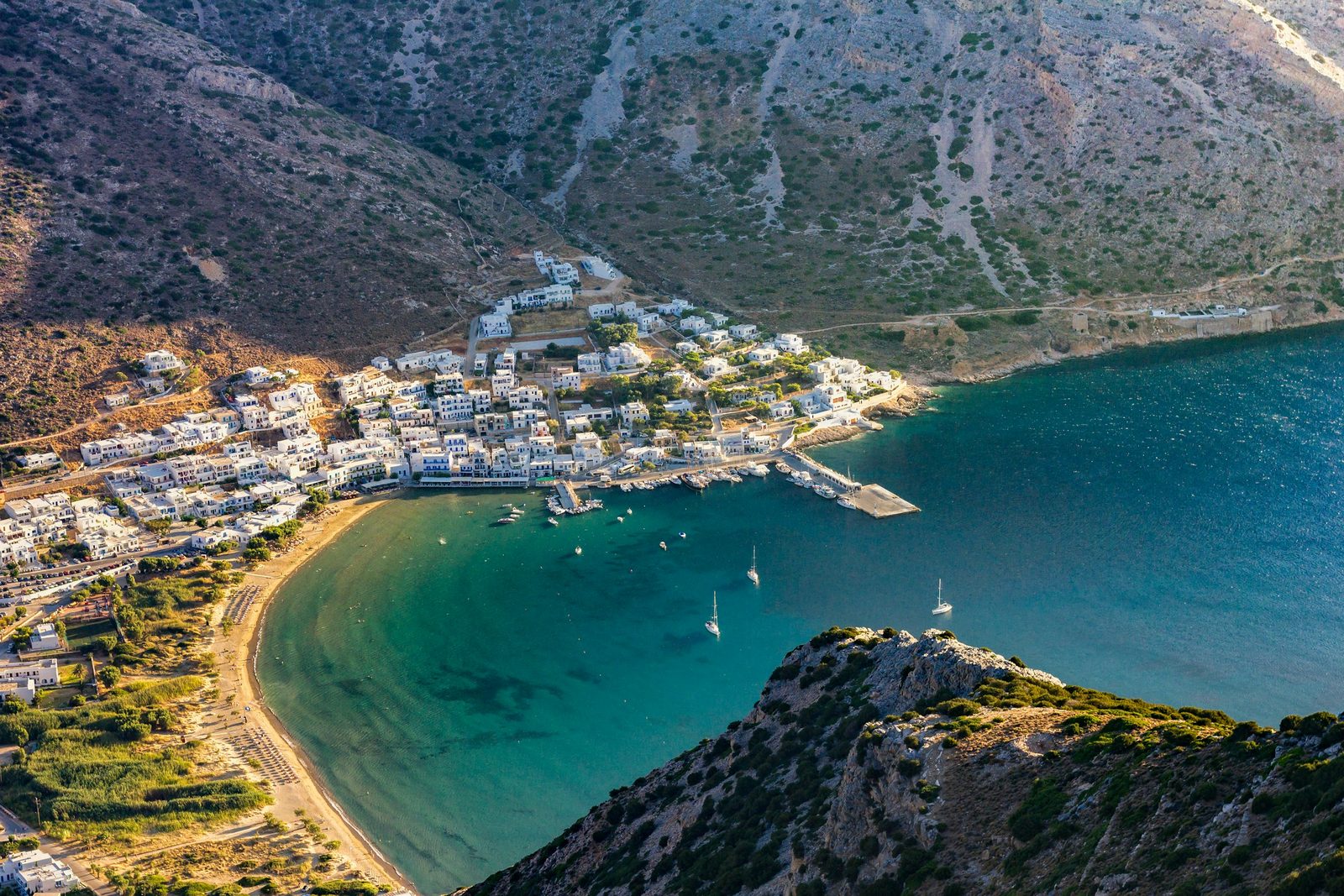
If your ideal holiday involves long lunches that turn into evenings, or a sun lounger and a novel, summer belongs to the islands. Mykonos brings the party; Santorini brings the romance; between them and the rest of the archipelago there is more than enough to justify moving around rather than settling in one place.
The trade-off is company. Island ferries and beaches fill with visitors, Greeks from the mainland included. That cuts both ways: expect crowds, but also a full calendar of events, restaurants keeping proper hours, and the best transport links of the year.

Autumn: Corfu slows down
By September the peak-season crowds have thinned and the island settles into a gentler rhythm, which is exactly when Corfu is at its best. The Old Town, awarded UNESCO World Heritage status, rewards a day or two of aimless walking: lanes that twist without warning, small cafes, independent boutiques.
Go back further in time and there is the Temple of Artemis, a 6th-century BC site a short way outside town and a striking piece of ancient Greek architecture. The sea, warmed by a whole summer of sun, is still pleasant for swimming, without the chill that lingers in spring.
Winter: Athens, indoors and out
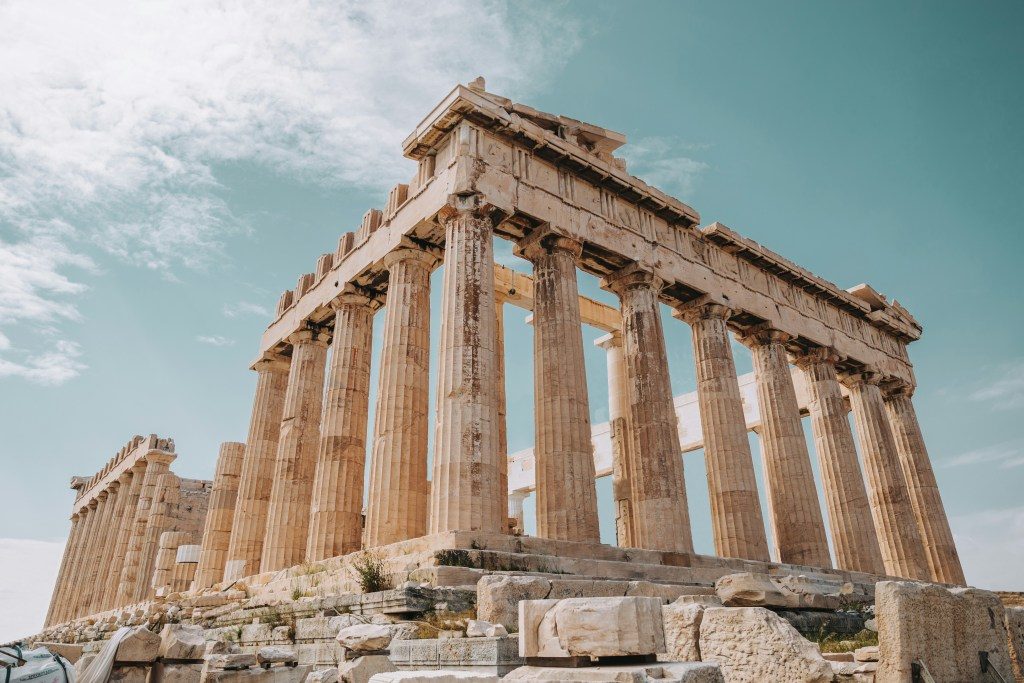
When the weather turns, a city break beats a beach or a mountain. Athens has plenty to offer when the skies are grey: the Acropolis and the Parthenon, a food tour that introduces moussaka, souvlaki and baklava made with local ingredients, and any number of places to sit with a coffee while you wait for the sun.
Winter also brings seasonal extras – ice skating, light trails – and, on a lucky day, snow, which turns the ancient stones into photographs you will not get in June.
There is no bad month
Greece gives you a different trip each time you go, which is the best argument for returning at a different point in the calendar rather than repeating the same week. Check the forecast before you leave, and pack for the season you have chosen rather than the one in the brochure.
Disclaimer: This is a partnered article, but all opinions are my own.
Discover more from Europe Diaries
Subscribe to get the latest posts sent to your email.