What to Buy in Italy, and Where to Buy It
I spent a semester studying in Florence and used the freedom to travel wherever I could, trying to live the way people there live. Like most travellers I still got a small thrill from finding the good thing in each new place — the shop that was not selling the same fridge magnet as the shop next door. What follows is the collection of authentic Italian souvenirs I found myself, or was told about by friends, along with prices and the addresses that make the difference. The buying advice was updated in October 2026.
The rule that saves you from tourist traps
Buy something made where you are standing, and buy something you will actually use at home. That single rule eliminates most of the rubbish. The safest gifts are food and drink with a protected label, leather from Florence, glass from Murano, ceramics from the town that made them, and coffee or olive oil from a local roaster or mill.
- Budget €5–€15 for an edible souvenir.
- €30–€80 for a gift with some meaning behind it.
- €100 or more for a serious piece of artisan leather or glass.
Milan: gloves and fashion
Milan is the fashion capital, and it is one of the best places in the country to find something stylish and unusual. Gloves are the local speciality: extremely soft, always elegant, and a good present for someone else or a reasonable indulgence for yourself. Outlet pieces are the other draw if you know what you are looking for.
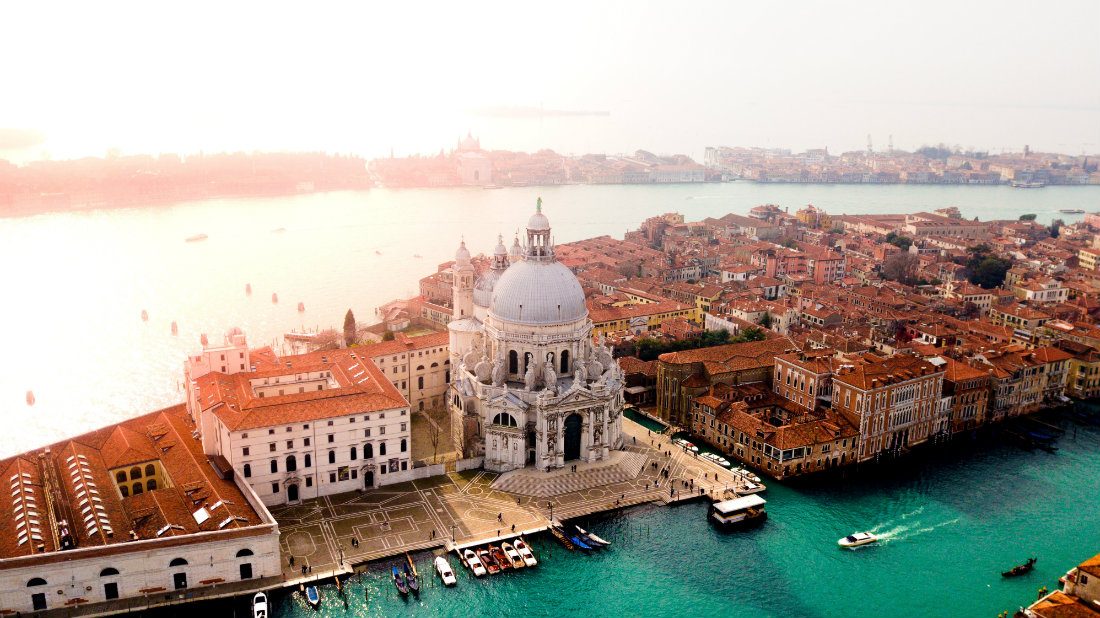
Venice: glass and masks
Venice is canals, bridges and gondolas, and it can feel overwhelmed by its own visitors. It is still worth the trip, not least because two of the best souvenirs in Italy come from here.
The first is Murano glass. Murano sits just outside the main tourist quarter, and as a former trading port it absorbed Roman, Greek and Asian influences. Glassmakers there have been refining their craft since the 1200s, and the results run from jewellery to chandeliers. Small jewellery pieces cost roughly €20–€150.
The second is the Venetian mask. Traditionally worn during Carnival and on other occasions, masks were originally a way of hiding identity and social status. Handmade papier-mâché masks cost about €15–€80. Look for the Vetro Artistico Murano trademark or a certificate from the furnace, expect to pay at least €20 for a small glass piece, and treat cheap "Murano" glass near St Mark's Square with suspicion.
For food and local life, see how to eat like a local in Venice, or read about sailing a bacaro and pub-hopping for cicchetti with Wanderjack.
Florence: leather, paper and ceramics
Florence is one of my favourite places in Italy — I admit the bias of six weeks there — and it gave me both the best souvenirs and the best gelato. The city is a centre of art and history, but fewer people know that some of Italy's finest leather comes from here. The Leather School in Santa Croce, also known as the Scuola del Cuoio, is the place to watch artisans hand-stitch bags and belts on site. Expect €80–€400 for a bag or belt, €30–€120 for gloves and €5–€30 for marbled paper.
On the Ponte Vecchio, jewellers line the bridge with rings, necklaces and anything else you can imagine. Ceramics are everywhere too, and the best pieces come from the small workshops where you can see them being made. If you want to see the city properly, this is how to explore Florence on foot.
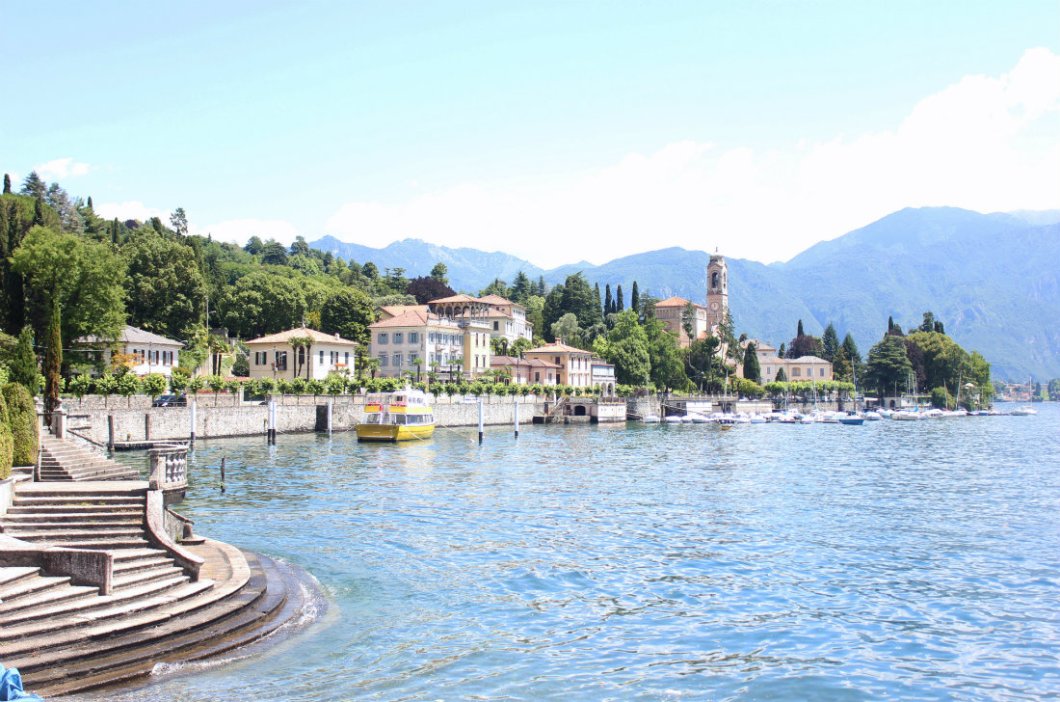
Como: silk
Put the lake views aside for a moment and pay attention to silk. In 1400 the Duke of Milan began planting mulberry trees, and Lake Como's silk industry grew from the silkworms that followed. Production became more refined, the local economy boomed, and the region has been associated with quality silk ever since. If silk is what you want, Como is where to buy it.
Rome: marble, prints and proverbs
It sounds sentimental, but where else would you buy an engraved marble tablet? I found them all over Rome and ended up with one myself. They often carry old Roman proverbs; mine reads "In Vino Veritas", which means "in wine, there is truth". They make good decorations or gifts. Prints and engravings are the other affordable option at €10–€40, alongside coffee and olive oil.
Amalfi Coast: lemons and ceramics
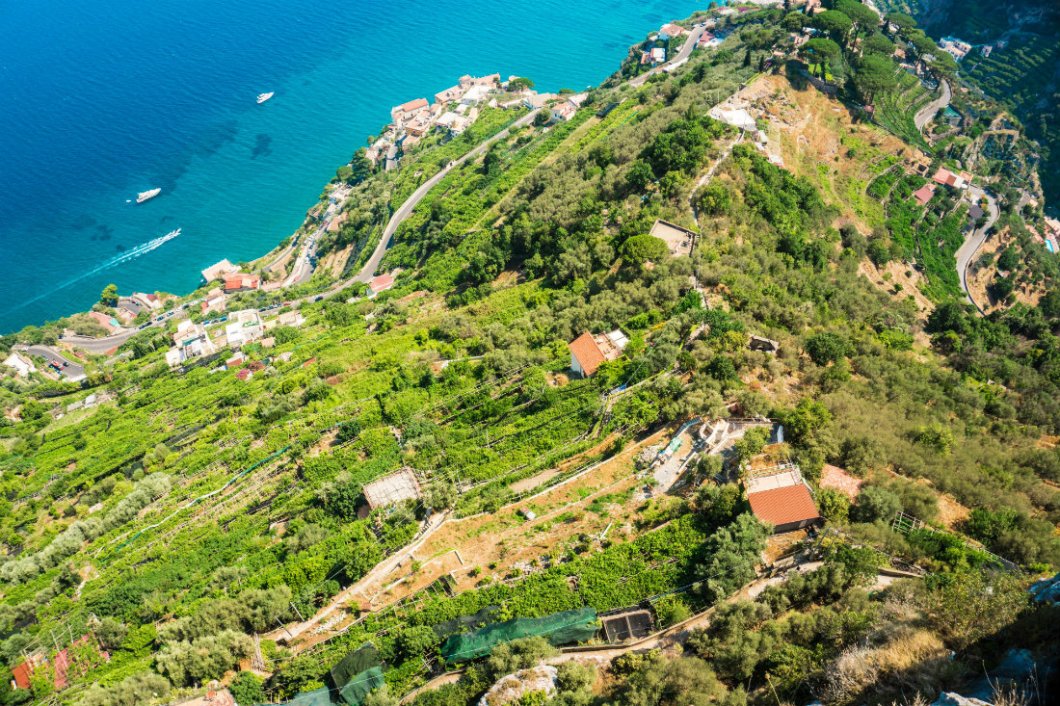
The Amalfi Coast holds a piece of my heart, and it produces the most delicious limoncello from the largest lemons I have ever seen. Sorrento is especially known for its lemons and its limoncello, and you will find both through the villages along the coast. A bottle costs about €10–€20. Vietri ceramics, from the village of Vietri sul Mare, run €15–€80.
Sicily: pottery and lava stone
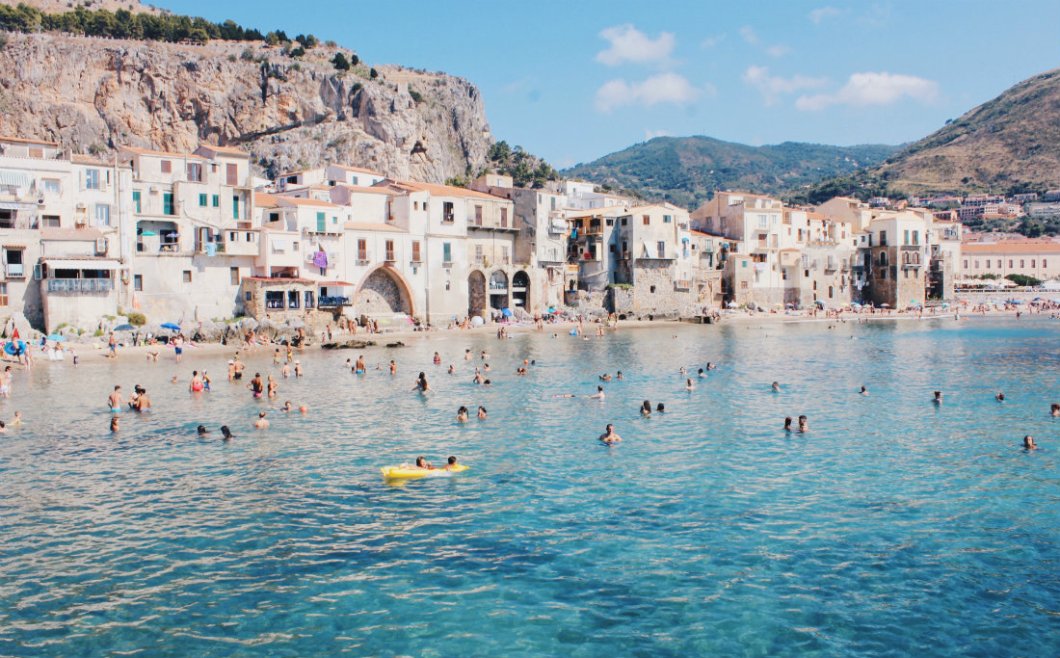
I never made it to Sicily, but I met enough Sicilians to have a reliable list. Every one of them recommended Caltagirone pottery, which is sold widely and has designs and colours that stop you in the street. The other suggestion was Etna lava stone. Etna is an active volcano, and jewellery and ornaments made from its stone are popular. Tables are beautiful and impossible to carry; the smaller pieces travel well.
For food, the markets are the place to start. Ballarò and Vucciria in Palermo are loud, cheap and full of Sicilian produce.
Parma and Emilia-Romagna: cheese and vinegar
Taking meat through customs is generally a bad idea, so save Parma's cured meats for eating there. Visit a Parmigiano-Reggiano factory or a Parma ham factory if you can: the tours are generous with samples, and some produce is available to buy and finish before your next flight. Parmigiano-Reggiano costs around €15–€30 per kilogram, and aged balsamic vinegar €15–€60.
Some things are good anywhere in Italy: scarves, extra virgin olive oil and wine. I think Tuscany does the best of the last two, though I am biased.
Where to buy: four reliable places
The difference between a souvenir and a tourist trap is usually the address. A shop fifty metres from a major monument pays rent that has to come out of the till; an artisan two streets further back does not.
Local markets
Markets show you what a city makes and eats. In Venice the Rialto market is for produce and fish, not glass. In Florence, the Mercato Centrale and San Lorenzo are good for leather, paper and food. In Rome, Campo de' Fiori is best early in the morning. Turin's Porta Palazzo is one of the largest open-air markets in Europe, and Palermo's Ballarò and Vucciria are as much theatre as shopping. Arrive before 11am for the best selection. Friendly haggling is normal at stalls, but not in shops.
Artisan workshops
Buying from the workshop is the most reliable way to know what you are getting. Murano furnaces sell small pieces directly. The Scuola del Cuoio at Santa Croce in Florence makes and sells leather on site. Ceramics workshops in Deruta in Umbria, Vietri sul Mare on the Amalfi Coast and Caltagirone in Sicily will often pack and ship. You pay more than at a market stall, but you see the work and can ask for a certificate or a maker's mark.
Speciality food shops and supermarkets
For shelf-stable food, a good alimentari or enoteca beats an airport shop every time. Supermarkets such as Esselunga, Conad and Coop are the cheapest source of coffee, dried pasta, chocolate and olive oil, and they stock the same DOP and IGP products that delicatessens charge more for. Vacuum-packed cheese and cured meat travels better than loose produce.
Museum shops
Museum shops are underrated for gifts: good reproductions, books, prints, scarves and design objects at fixed prices, with no haggling and no pressure. They are also the sensible option when you are short of time.
What to avoid
- Shops within sight of a major monument selling identical "Venice", "Rome" and "Florence" magnets, aprons and T-shirts.
- "Murano glass" without the Vetro Artistico Murano trademark or a furnace certificate.
- "Made in Italy" leather at a suspiciously low price — check the stitching, lining and zips before you pay.
- Olive oil in clear glass bottles that have stood in the sun; choose dark glass or tins.
- Anything too large to pack without asking about shipping and insurance, especially ceramics and chandeliers.
What things cost
- Venice: Murano glass jewellery €20–€150; handmade papier-mâché masks €15–€80.
- Florence: leather bags and belts €80–€400; gloves €30–€120; marbled paper €5–€30.
- Milan: leather gloves €30–€120, plus outlet fashion.
- Rome: prints and engravings €10–€40; coffee; olive oil.
- Amalfi Coast: limoncello €10–€20; Vietri ceramics €15–€80.
- Sicily: Caltagirone ceramics, marzipan and Marsala wine.
- Parma and Emilia-Romagna: Parmigiano-Reggiano €15–€30 per kg; aged balsamic €15–€60.
These are typical 2026 prices for mid-range quality — not the cheapest stall, not the luxury boutique. Venice and the Amalfi Coast are the most expensive places to buy; Naples, Palermo and smaller towns are cheaper for the same standard. Cash is still useful at markets, though cards are accepted almost everywhere else. If you buy several small things, ask for one receipt: it makes the tax refund simpler.
Tax refund and customs
Non-EU residents can claim a VAT refund on purchases of at least €154.95 from a single retailer in one day. Ask for the tax-free form at the till and show your passport, keep the goods unused and in your hand luggage, and get the form stamped by customs before check-in. After fees, the refund usually works out at 10–15% of the purchase price.
Food souvenirs are usually fine if they are shelf-stable, but the rules vary. Hard cheese and vacuum-packed cured meat are generally accepted within the EU and the UK, while the United States restricts many meat products and some unpasteurised cheeses. Check your destination's rules before buying, and keep receipts for anything expensive.
Italy rewards a little curiosity: the best things are rarely on the shelf nearest the door. For more places worth the trip, see these beautiful Italian destinations, this two-week Italy itinerary and these vegetarian dishes from 24 European countries.
This post was written by Caroline Lussier, an American who spent a semester abroad in Italy and fell in love with it. She loves travel and time with friends and family. Find her on Instagram at @caroline_lussier.
Discover more from Europe Diaries
Subscribe to get the latest posts sent to your email.
oioi-arts
My partners Italian so I’m slowly discovering more and more in this beautiful country. Unfortunately I did succumb and end up buying a pink David statue in Florence! Please don’t judge me haha
Marysia @ My Travel Affairs
I myself buy only scarves as souvenirs so I guess lake Como silk scarf would be a thing to get 🙂
Bea
These are some fabulous tips. If I ever buy anything in Italy, it is definitely practical things (usually ones we will end up eating at some point). Love buying cheese, olive oil and balsamic vinegar to bring home.
Blerim Norja
Such an interesting post! Thanks for sharing!