
Linköping: A Day Trip Through Swedish History
You can see the cathedral from a long way off. It rises more than 100 metres above the streets of Linköping and took roughly 300 years to reach its present form. Standing in front of it, I kept thinking about the glass sculpture of Maria and the Tree of Life I had just seen inside, then turned to look at the castle next door and wondered how much the pair of them had witnessed.
One of those events was a public execution. On 20 March 1600, six Swedish noblemen were beheaded in the square, and the story behind it is the reason a quiet provincial city has such a hold on the national imagination.
1598: a battle, a treaty and six names
The Battle of Stångebro, fought in September 1598, ended in defeat for King Sigismund of Sweden. The victor was his uncle, Duke Karl, who entered into a treaty with him and let him leave the country. The price of that departure was the surrender of six of Sigismund's most trusted Privy Council advisers, handed over within six days.
Six days was all Gustaf Axelsson Banner had with his wife and their newborn son. He said goodbye to them and was imprisoned at Gripsholm Castle in Stockholm for the next eighteen months, before being moved to Linköping for sentencing. The executions that followed would be remembered as the Linköping Bloodbath.
Banner was the first to die. He stepped forward, made a speech about his innocence and his loyalty to Sweden, threw coins to the executioner and bowed his head. He was 52.
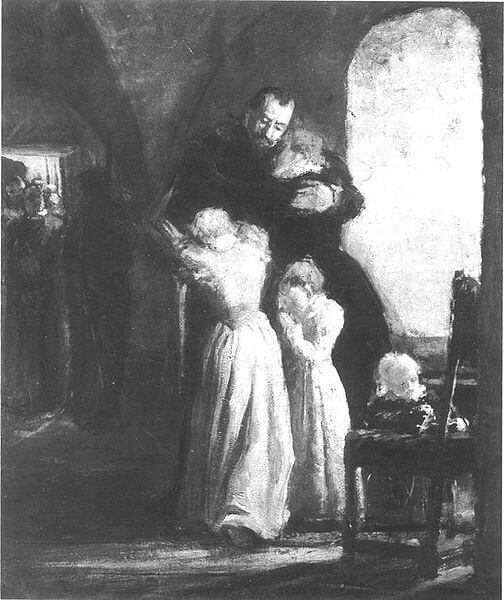
Gustaf Axelsson Baner's last farewell, painted by Fanny Brate.
1600: the castle and its museum
Nobody knows for certain whether the executions took place in the castle or in the market square. The castle itself is the safer bet for a visit. Its oldest sections date from the 12th century, and it has been destroyed, rebuilt and altered many times since, with work continuing into the 1930s.
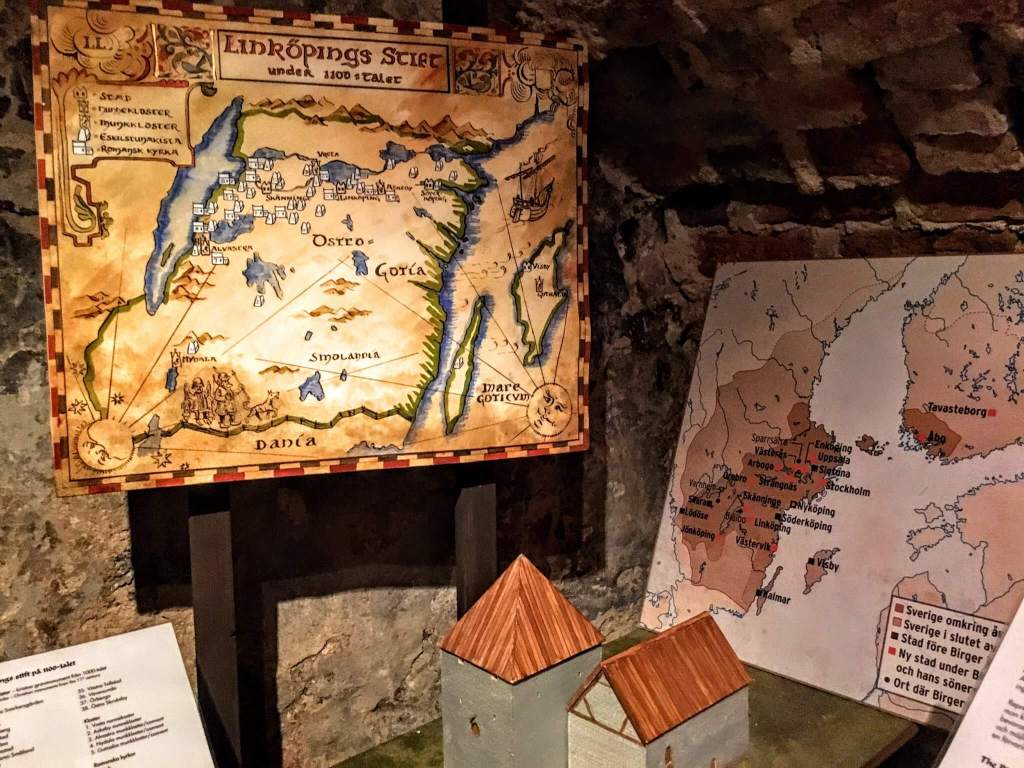
Sweden in the 11th and 12th centuries was a unified Christian kingdom that later included modern Finland. The Vikings belong to an earlier period, roughly 800 to 1000 AD, and the country's later history is largely military: centuries of conflict with Denmark, Russia and Norway. Inside the old tower, a guide in jester's costume walked our group through the whole sequence, starting with the founding of Stockholm by Birger Jarl in 1250. A few jesters were taking a break outside when I arrived, which set the tone nicely.
Where is Linköping, and what is it?
Linköping sits about 200 kilometres south of Stockholm and is pronounced, near enough, "Linshooping". It is the fifth-largest city in Sweden and the seventh by population, and it is the capital of Östergötland county. History and culture are the draw, but there is scenery and industry too, and the museums explain both.
1800s: Gamla Linköping, the old town
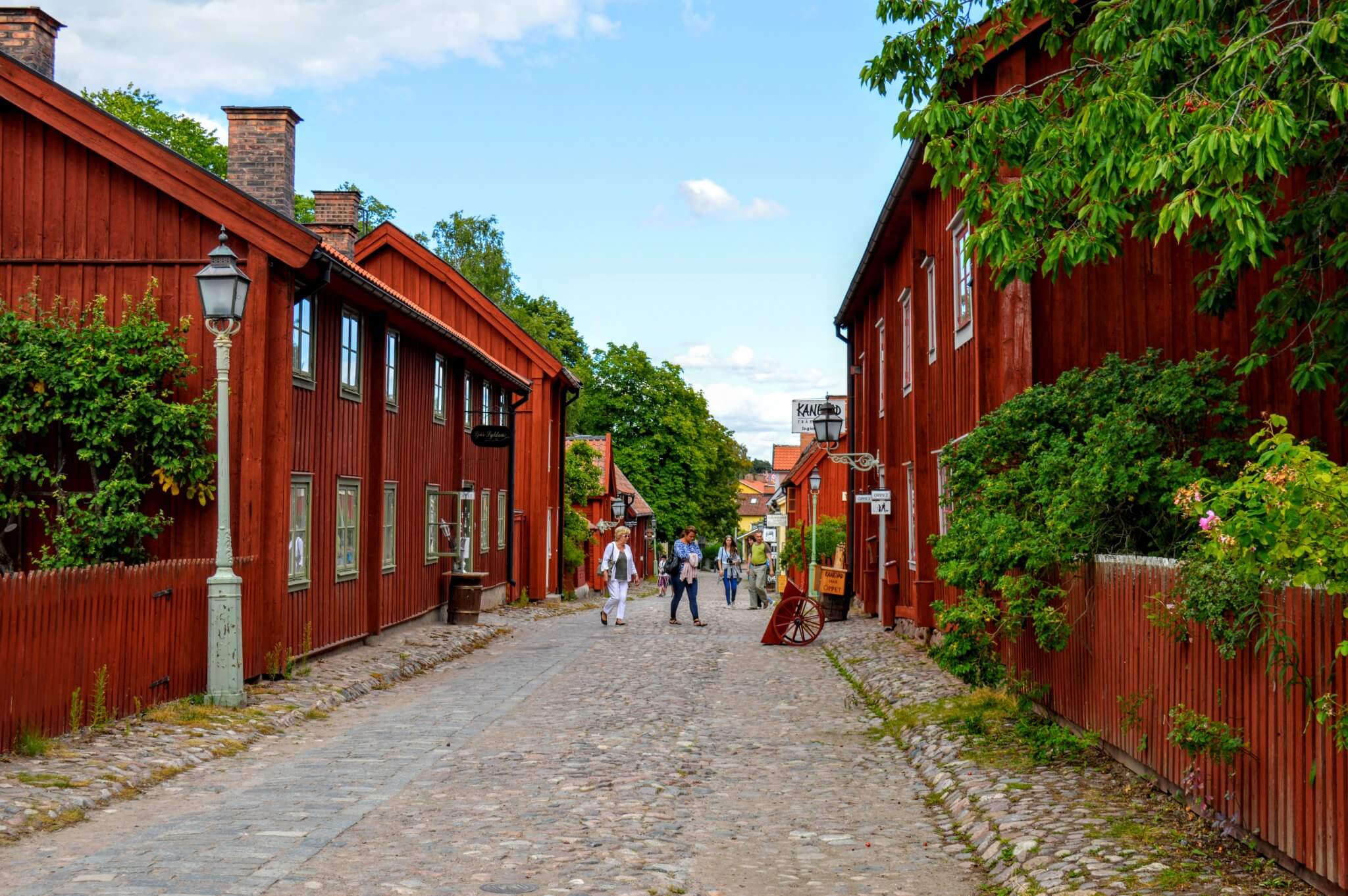
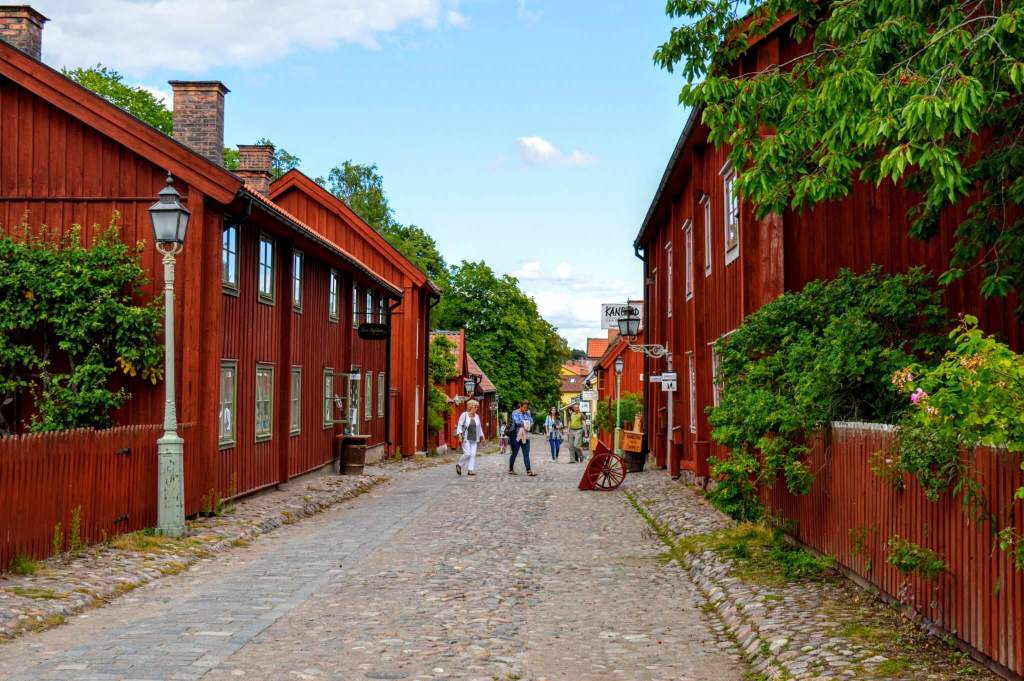
The best introduction to how ordinary Swedes lived is Gamla Linköping, a neighbourhood preserved as an open-air museum showing life from the late 1800s to the early 1900s. Red wooden houses with their interiors intact, cobbled lanes, neat gardens with berry trees, old classrooms, and guides dressed for the period: together they make a convincing picture rather than a display case.
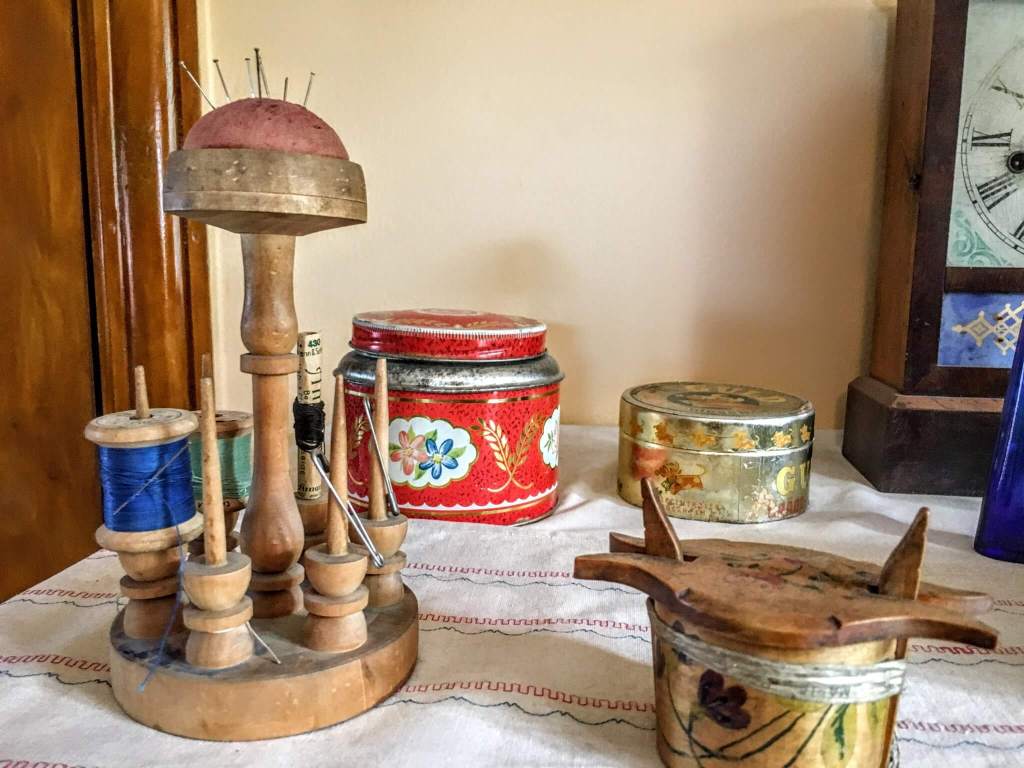
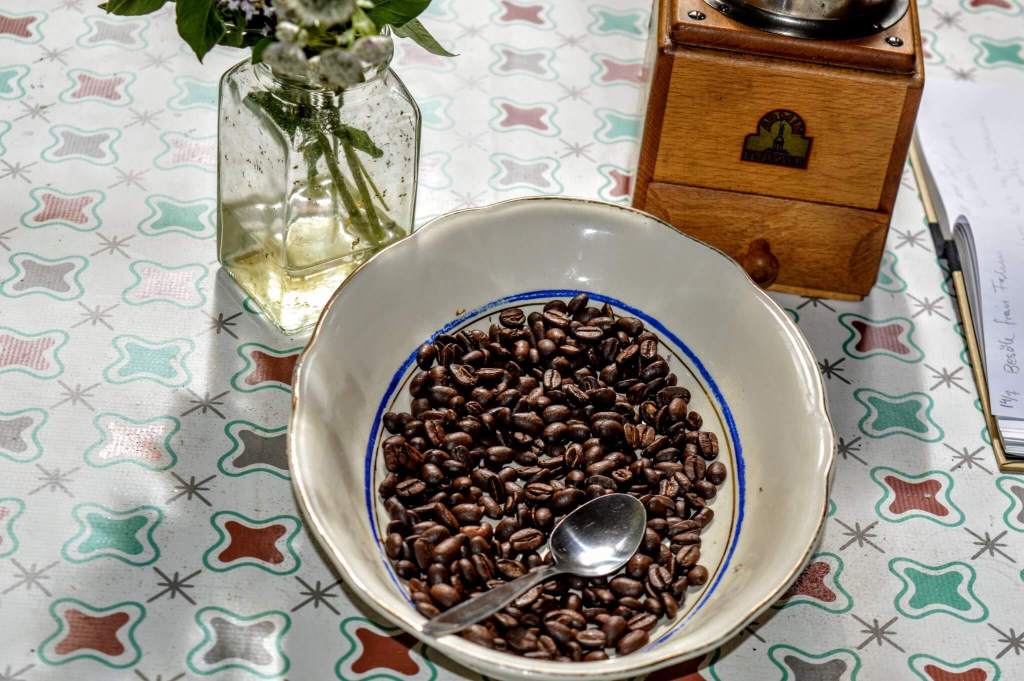
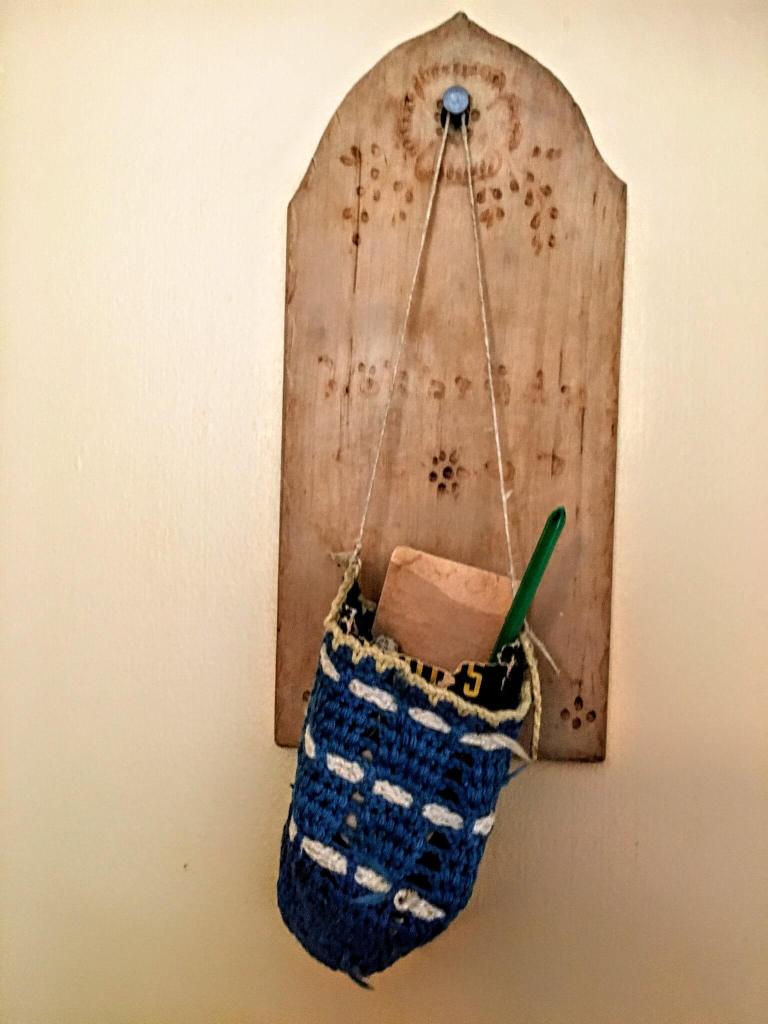
Our guide wore a white and blue costume of the era and led us through houses that still held the belongings of the families who lived in them. There was old furniture and there were photographs, a bowl of coffee beans on a table, and a pot of soup on an iron stove. The soup was nettle soup. Sweden was in economic difficulty at the time and nothing was wasted; long cooking makes nettles edible. Depending on the season, visitors may get to taste it, or elderflower lemonade, or gingerbread baked in the house.
Berries, coffee and fika
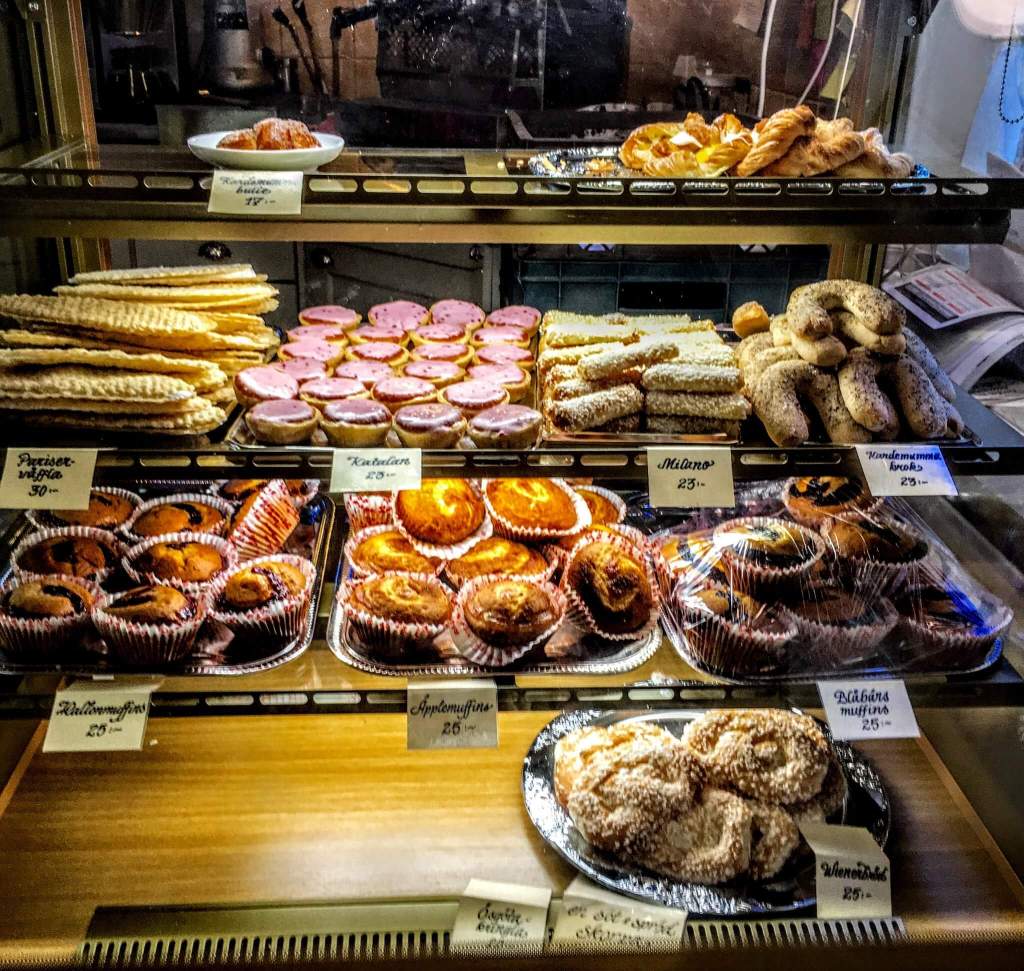
Berry products turn up everywhere in Swedish cooking. Lingonberry jam is a staple of Scandinavian food and is often served with meatballs; blueberries, raspberries and strawberries grow widely. The garden of that particular house had berry trees, and I saw people picking.
Coffee had a similar status a century ago, and it still does. The bowl of beans on the table was not decoration. Fika, the custom of sitting down together over coffee and a cinnamon bun, is the social ritual that holds the day together, and the cafe at Gamla Linköping does it properly. If you come in December, the old town also holds a Christmas market, which must be the ideal setting for one.
School in the mid-1800s
Private schooling in the mid-1800s was reserved for the wealthy. The school museum lets you into the classrooms to see the desks, slates and equipment of the period. Two details stayed with me. The blackboard duster was a rabbit's claw. The children also wrote in sand boxes and erased their work with sticks, an early lesson in not wasting paper.
In the learning area, craftsmen demonstrated rope making and the dyeing of yarn with plant extracts. The museum is interactive in the literal sense: people are making things as you watch.
1895 to 1901: a short timeline
The town museum is good at placing all this in a wider frame. Sweden's first electric railway opened in 1895, the same year Alfred Nobel wrote the will that established the Nobel Prizes in physics, chemistry, medicine, literature and peace. The Peace Prize was to be chosen by a Norwegian committee, possibly because Sweden and Norway were a single kingdom until 1905. The second modern Olympic Games took place in Paris in 1900, the first Nobel Prize was awarded in 1901, and the Norwegian arrangement has lasted ever since.
1940s: Saab, planes and the air force museum
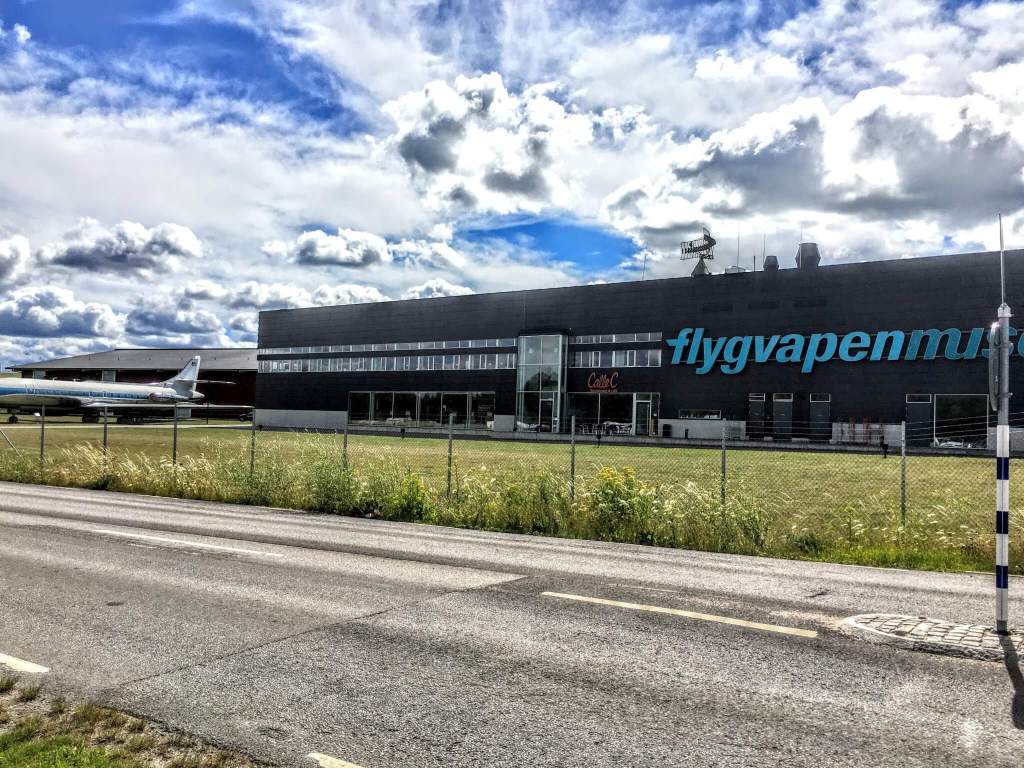
In the 1940s Saab moved into the area and began building aircraft, which is why Linköping has the Flygvapenmuseum, the Swedish Air Force Museum. It is a serious collection: the earliest planes, aircraft from the post-Cold War years, and models of houses from the 1950s to the 1980s. Adults and children can lose several hours there, and some of the aircraft can be touched.
As of 2016 entry was free. Bus 13 from the Resecentrum drops you in front of the museum.
The Göta Canal and the Berg Locks
A short trip out of town brings you to the Göta Canal and the Berg Locks, a piece of engineering sometimes called Sweden's Greatest Wonder. The locks are arranged as a staircase, allowing small ships to climb or descend the waterway; the canal links rivers and lakes across 190 kilometres, creating a route from the west of Sweden to the east.
The reason it exists is pleasingly petty. Denmark-Norway had begun charging heavy taxes on shipping through the Great Belt, and the canal was built in response. Today it is a tourist attraction rather than a trade route, and canal cruises let you watch the mechanism from the water.
You can also treat it as a half-day out: take a bus from Linköping Central to Bergs Slussar, have lunch or an ice cream by the water, and watch the boats work their way through.
Where to eat
Lunch at Restaurant Kanalkrogen, overlooking the canal, was one of the better meals of the trip. If you eat fish, order the regional specialities: herring and salmon. As a vegetarian I had the Health plate, a salad of fresh, locally grown ingredients, and it was excellent. My week in Sweden produced the best salads I have eaten anywhere, which was not what I expected.
Dinner was back in Linköping at Restaurant 1864 on Stora Torget, the market square, where the menu is Italian. I was surprised to find limoncello on offer, and ordered it for the novelty of drinking a very Italian liqueur in Östergötland.
Getting there and getting around
Linköping has a small airport, but the train is easier. From Stockholm Central the journey takes about 1.5 to 2 hours; from Arlanda it takes 2 to 3 hours. There are also buses from Skavsta Airport and a direct train from Kastrup in Copenhagen.
- Gamla Linköping: bus 3, 12 or 13 from the station. A guided tour takes about an hour, or you can wander alone.
- Flygvapenmuseum: bus 13 from the Resecentrum.
- Göta Canal and Bergs Slussar: bus 522 from Linköping Central, or buses 520 and 521 to Vreta Kloster Kyrka followed by a short walk to the restaurant.
- Timetables: the Östgötatrafiken website has current times and connections.
I did the trip as a day return from Stockholm and stayed at the HTL Hotel there. One day is enough for the cathedral, the castle, the old town and dinner, but not for the canal as well. With hindsight I would have stayed a night.
Accommodation in the area ranges from city hotels to the hostel and cottages at Bergs Slussar, and Visit Linköping lists the options.
Linköping rewards the kind of traveller who reads the plaques. The cathedral, the castle, the old town and the canal each belong to a different century, and in a single day you can walk through most of them. For more of the region, there is also Norrköping, a short train ride away.
Thanks to Visit Linköping and Swedish Railways, who organised this day trip. All opinions and thoughts are my own.
Discover more from Europe Diaries
Subscribe to get the latest posts sent to your email.
Pingback:A unique wine experience in Stockholm,Sweden: Staying at The Winery - Europe Diaries
Anna
The photos are lovely! I just got back from my first ever Scandinavia trip – to Copenhagen – and I have vowed to not go back to the region in any other time but summer 🙂
Tony Magnusson
Interesting read, it’s always fun to see perspective from someone else on the city I live in.
Seems you had a lot of fun!
One thing to note, Saab did not start to make planes after cars, saab actually means Svenska Aerospace AB (Swedish Areospace Ltd.) and then after started to make cars. While the carmaker itself is defuct, the airplane company itself is thriving!
–Someone that works in Saab
reflectiveponderer
Hey Tony, Thanks so much for reading the post and sharing this info! Glad to know the facts from someone who works there. Have a great day and do keep connected:)
Manjulika Pramod
I visited Sweden in 2012 and this post really made me nostalgic. I stayed there for only 4 days and could not do much but I loved reading through your post. Gamlasthan and the visit to the Vasa museum are my favorite memories from there.
reflectiveponderer
Vasa Museum was splendid indeed! Thanks so muchf or stopping by 🙂
Nour El-Helbawy
I’m really looking forward to going there! This brought a smile to my face. 🙂
reflectiveponderer
So glad to hear that, Nour 🙂 Wish you a great trip!
Abhinav Singh
These days I am reading more and more about Sweden and other Scandinavian destinations. I wrote a research based article on the delights of Scandinavia on my blog recently. While writing it I got so fascinated with this region. Hope to see it someday! So many Indians (my country) are preferring to go there!
Bob
Love it. This is my kind of place. I love visiting places with a rich history and learning about how things were and how people lived. The castle sounds like a great place to visit and I would definitely enjoy the open air museum and Flygvapen Museum, not to mention just wandering around town and exploring everything.
Jacky
Wow, this is a super detailed blog post! Love it! We’ve only been to Stockholm and Malmö, so it’s definitely time to explore some more. Will pin your post so it stays with me safely 🙂
Jacky
reflectiveponderer
Thanks Jacky ! I would love to visit Malmo next time . Hope you get to visit the Ostergotland region too
Upasana
So detailed! It felt I was living the day with you!
Interesting facts,indeed! Loved the way you weaved history & culture & food & fun-facts in the same piece.
Also,would be helpful if you added the pronunciation right at the beginning,including all Swedish words.
I noticed you overlooked a spelling error right before you added the picture of the restaurant you had lunch at. I suppose you meant ‘and’, not ‘an’.
Bytheway,photographs were really candid! Would love to see you in one of them,atleast,you know!
In a nutshell,your piece intrigued me!
More travel & writing to you!
reflectiveponderer
Thanks girl <3 Corrected the typo! Glad you like the post. More travel to you too 🙂