
Lost in translation: five stories from foreign lands
There is a particular kind of helplessness that comes from standing in a shop, a station or a kitchen in a country whose language you do not speak. You can memorise phrases before you leave, and it will not be enough. I have climbed onto the wrong bus twice in Italy and lost my way both times; the consolation was a long ride across Florence and a view of the city after dark.
The idea for this collection arrived when an acquaintance told me how a single German word had undone him. Once I started asking around, other bloggers produced stories of their own. Five of them follow, in their words and with their names attached.
In Germany, a haircut goes badly wrong
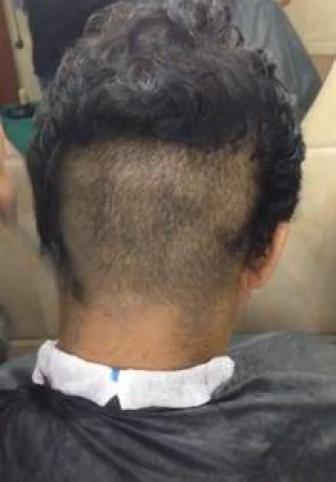
This first one came from a traveller who prefers to stay anonymous. He moved to Germany for a job that required only English, so there was no time to learn the language before arriving. One day he wanted a haircut and walked into a Friseur. What he asked for and what the hairdresser heard came down to two words that sound almost identical: keine, meaning none, and kleine, meaning small. The result was not the cut he had in mind. He was shocked when he saw it; she was entirely casual, as though nothing unusual had happened. He then spent a long winter month wearing a beanie every day.
In Cambodia, a compliment turns into an insult
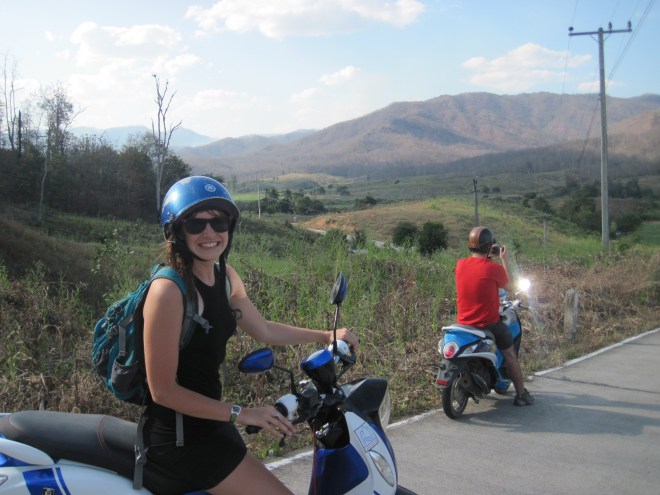
Lucy, who blogs at Lucy's Miles Away, was living and working in Cambodia a year ago. Her colleagues were all Cambodian women, none of them confident in English, and the office ran on broken sentences, pointing, pictures pulled up on a phone and her own terrible attempts at Khmer.
One colleague was forever having her cheeks pinched by the others, who would say "jo-am" as they did it. Lucy asked what it meant and they pointed at her face and said "cheek". She took that as the translation.
A few days later she was at a local party with the family she lodged with. It was a good night, and as she left she hugged the grandmother, squeezed her cheeks and proudly used her new word. The room went quiet. The daughter, who spoke excellent English, explained politely that jo-am means bruised fruit, and is also slang for bad skin. Lucy had just, loudly and cheerfully, insulted the head of the household in front of the whole party. She is on Facebook and Twitter.
In Germany, a request for poison bags
Jennifer of American Faultier had been in a German integration course for about a month and was feeling pleased with her progress. At a Christmas party she chatted to a friend about everything still to be done before the holiday. She needed gift bags, did not know the proper German term, and translated the English directly into gift-taschen. A second later she remembered that Gift, though it looks English, means poison in German. She had just told her friend she needed poison bags for Christmas. In the end she bought ordinary, non-poisonous wrapping paper. Jennifer is on Twitter and Facebook.
In Italy, breakfast arrives without milk
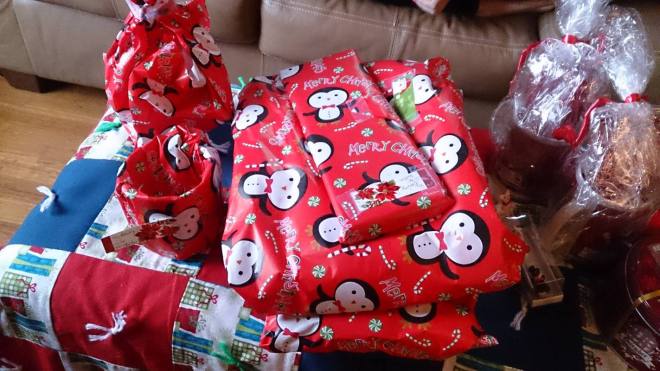
Andrea of Wandering Avena has an Italian family and visits the country often. One year friends joined them, and one morning everyone went down for breakfast. The friends were sitting in stony silence in front of dry cereal and a bowl of ice. They had asked, several times, for milk. Spanish and Italian use similar words for it, and what reached the waiters — who looked as baffled as the guests — was a request for ice to pour over the cornflakes. Andrea's family explained what to say next time. She is on Instagram and Facebook.

In Germany, a police stop at midnight
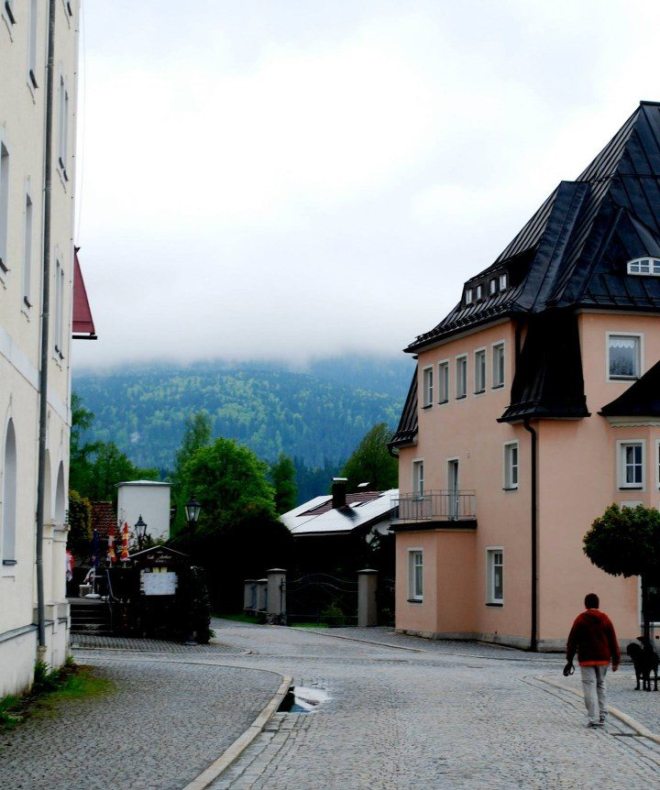
Lexie of Steps to Follow was travelling with Hannah, and by the time they reached Bavaria they were thoroughly lost. A disaster at Munich station had delayed their train by hours. Their destination was a tiny village on the Czech border called Bayerische Eisenstein. When the train finally left it was dark and raining hard, and nothing could be seen through the windows. Lexie assumed the trains would keep running through the night to make up for the shutdown. They did not. The final stop was one short of their destination and still many miles away.
They got out and sheltered under the porch overhang, with no phone for a taxi and nobody around to ask. A German couple promised to call a cab before driving off. Half an hour later nothing had arrived.
Then a car marked Polizei pulled in. The officer in the passenger seat wound down his window and shouted at them in German. They froze. Perhaps they looked guilty, because both officers got out, beckoned them over and kept a hand near the guns at their belts. After several frantic repetitions of "We don't speak German, we speak English", the message landed. "Ah," one said. "We are looking for some young people on the run for criminal behaviour." They looked at the two of them sternly. Lexie and Hannah insisted it was not them, that they were stranded and needed Bayerische Eisenstein. The officers glanced at the backpacks on the ground, nodded, and smirked at each other. Just then a taxi rolled into the car park and took them to their village, safe, relieved and poorer than expected. The full version of the story is on her blog.
If these made you wince, there is a second set of stories with four more travellers. And if a word has ever embarrassed you abroad, the comments are the place to confess.
Discover more from Europe Diaries
Subscribe to get the latest posts sent to your email.
anshitakoul
Reblogged this on Reflections of a spacecaked mind and commented:
I am still struggling to understand the complexity of German language and why my brain is making up funny sentences in Hindi while I am listening to someone speaking in German. Aaah ! I look forward to the day I could speak German and use it like a Boss 😀
Pingback:Lost in Translation: More travel stories! | Europe Diaries:My travel stories and experiences
Green Global Travel
Sorry about your haircut! I’m sure every language mix-up helped you learn it even better. Thanks for sharing!
reflectiveponderer
Every experience does help us cope better for sure! The haircut story was from a friend though..and he was too embarassed to talk about in openly.
Maaike - Travellous World
Oh no! Especially number 1 is horrible!! 😉 oh my gosh! This article just explains exactly how important it is that you learn the basics. And even then it doesn’t always work out 😉 Maaike
connier316
Great stories! I haven’t traveled much yet outside the U.S., so I don’t have any stories like this, but I’m sure as soon as I do, I will make lots of language blunders.
aholeinmyshoe
Great collaboration, sorry I missed it. In Bali one visit my ex husband said no (tidak) for sugar, but was translated as tiga (three), either that or they thought he needed sweetening up. Thanks for linking up with #TheWeeklyPostcard
reflectiveponderer
Thanks! I would love to know more about the incident! I’m thinking of running a Part 2 in this series too!
Victoria@celebratetheweekend
Travel mishaps make for a lot of fun stories- AFTER the mishap is over of course:) Some of mine involve dragging a luggage on cobblestone streets in Italy- NO FUN when it’s actually happening:) Think about getting off at the wrong vaporeto stop in Venice and dragging your luggage – and your toddle-through the crowds (quite literally), or when a google map says 300 meters to your hotel in Florence from a train station and you think that you can just walk (may be if you flew over town- that is:)).