
Barcelona, Planned Properly: What to Know Before You Go
Jessica has lived in Barcelona for more than five years, and she still finds streets she has never walked down. An Australian writer and photographer who has worked in travel for half a decade, she wrote this guide for anyone arriving in Catalonia for the first time.
Barcelona is the capital of Catalonia, on Spain's north-eastern coast, and it does the difficult trick of being both a modern metropolis and an old one. Gothic and modernist architecture sit a few streets apart, the city markets are still working markets, and the Mediterranean is at the end of the metro line. Locals call it Barna. Depending on who you are, the draw is the beach, the sailing and water sports, the food and wine, the shops, or the art — and there is enough of each to fill a week.
Being honest about one thing first: this is not a cheap city, and tapas, nights out and entrance tickets add up faster than you expect. A tourist pass is often the difference between seeing four sights and seeing eight, especially on a backpacker's budget. Compare the options before you book anything else — there is a useful breakdown of the Best Barcelona Pass Comparisons on my own site.
When to come: the four seasons, honestly
There is no single best month. It depends on your budget, your tolerance for crowds and what you want to do. The climate is Mediterranean: mild and wet in winter, hot and dry in summer. Here is what each season actually feels like.
March to May
Spring is the season I would choose for a first visit if flowers matter to you. The parks and gardens come into bloom, the temperature is kind, and the queues are shorter than in July. Prices for flights and rooms drop a little outside the peak. It is also the easiest time to walk all day without wilting.
June to August
Peak season, and it behaves like one. The heat can be brutal, the beaches fill up, and everything from a Sagrada Família slot to a decent hotel room needs booking well ahead. Come now only if the sea is the point of the trip, and accept that you will pay more and share every view.
September to November
My other favourite stretch. The big sights are calmer, particularly from October onwards, and the weather stays pleasant enough for long days outside. Autumn is the season for hiking in the Garraf hills or taking the train to the coastal towns of the Costa Brava. Do not expect emptiness, though — Barcelona is busy in every month of the year.
December to February
Winter here is mild by northern European standards, which is why it is the quietest season. Rooms are cheaper and the streets are yours. Bring a jacket and expect the occasional wet day. As someone who lives here, I will say plainly that winter is one of my favourite times in the city, precisely because I can walk without being carried along by a crowd.
Getting around without wasting the day
The centre is made for walking, and the public transport is good enough that you rarely need a car.
- Metro. Fast, cheap, simple, and it reaches the suburbs and most of the big sights as well as the centre. For most visitors this is the default.
- Buses and trams. An extensive network that fills the gaps the metro leaves. I use them for the uphill neighbourhoods, particularly for Park Güell and the Bunkers del Carmel.
- Bikes. There are lanes everywhere and rentals on most corners. The shared scheme is called Smou, and I use it constantly. If you would rather not pedal, hire an electric one.
- On foot. The best option in the old city. Las Ramblas and the Gothic Quarter only make sense at walking pace, and the plazas are for sitting in rather than passing through.
- Taxis and ride-hailing. Quick, but the centre is congested, so allow extra time, and the fares are well above public transport. Uber does not operate here; use a traditional cab or Cabify.
The sights that justify the ticket
People ask me constantly whether a given attraction is worth it. Here is my honest ranking for a first visit.
La Sagrada Família
Gaudí's basilica is the one thing I never tell anyone to skip. It is still under construction and open to the public, and it is a masterpiece of modernist architecture rather than a church you glance at and leave. If you see only one sight in Barcelona, see this one. Book a timed entry — turning up and hoping is how you lose an afternoon.
Park Güell
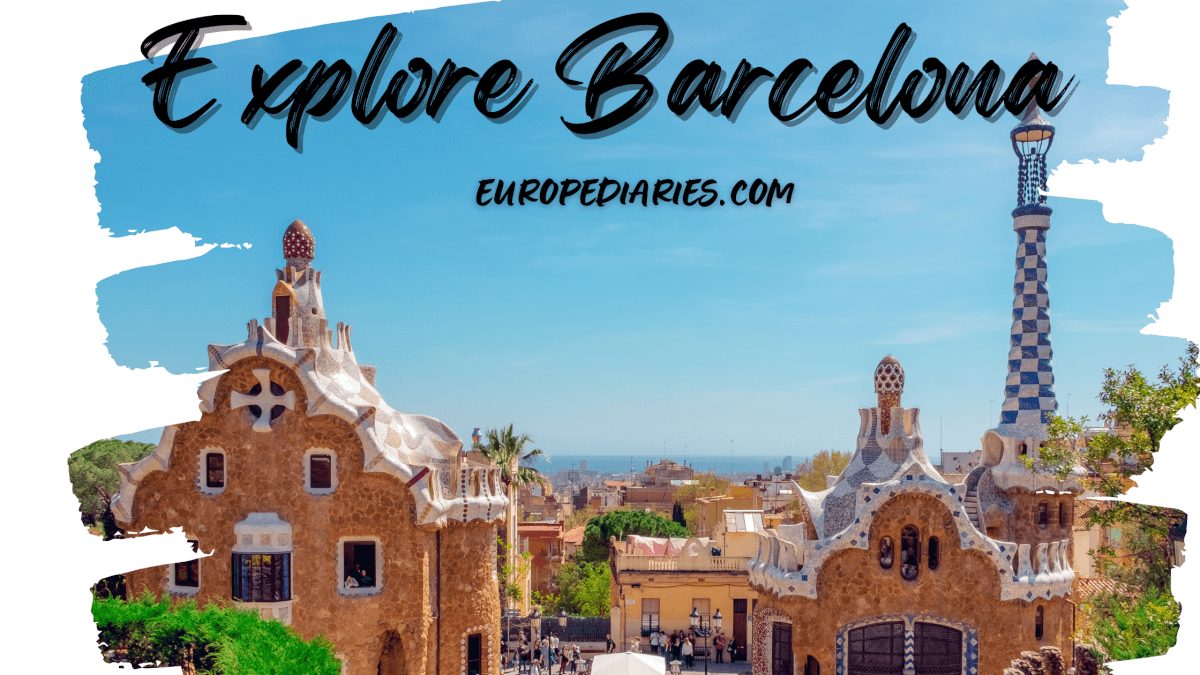
Gaudí again, and nothing like a normal park: mosaic surfaces, strange sculptures, and a view across the whole city. Two practical notes. Book ahead, and arrive as early as you can. Once you are in, walk straight to the top to see the trencadís work before the paths fill. Later in the morning you are shuffling with a crowd, which spoils the whole point of the place.
Casa Batlló and La Pedrera
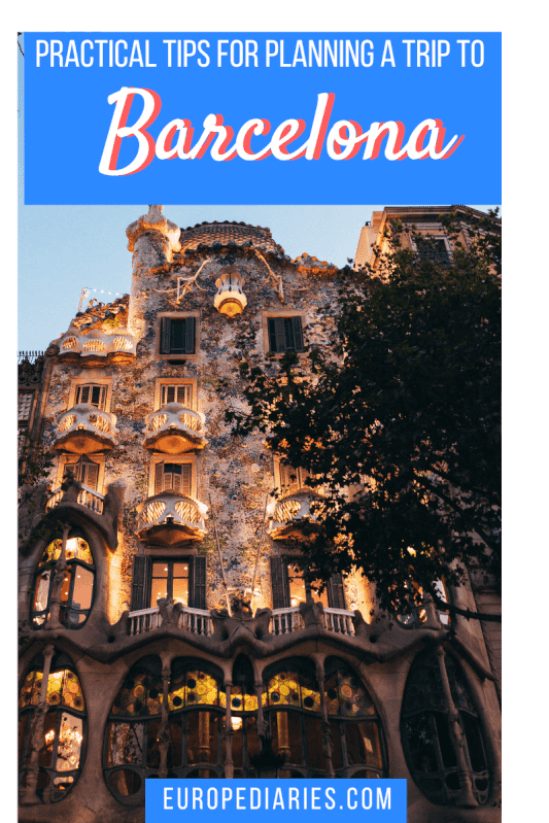
Two more Gaudí buildings, both astonishing, both worth an hour or two of your day. If you are an art lover with limited time, you could swap them for a day out of the city: the Dalí Theatre and Museum in Figueres is an easy trip and a very different kind of strange. Otherwise, book Casa Batlló and La Pedrera in advance and go early.
The Gothic Quarter
The cheapest good day in Barcelona. Wander the medieval lanes, look up at the Barcelona Cathedral, cross Plaça Sant Jaume, and keep turning down side streets. The quarter rewards aimlessness.
Montjuïc
The hill holds the Montjuïc Castle, the Olympic Stadium and the Joan Miró Foundation, which is enough for half a day. In the evening, the Magic Fountain puts on a light and music show that is genuinely worth standing in a crowd for — one of the best things to do after dark.
Beaches
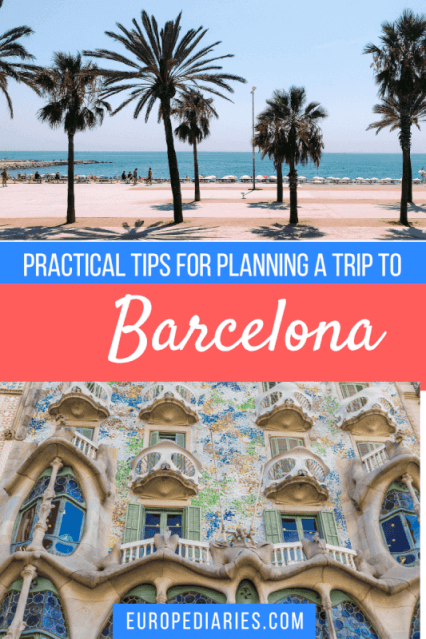
Barceloneta and Mar Bella are the convenient ones, right at the edge of the city. I would not send a visitor to either in summer: they are packed and, frankly, polluted. Take the train instead to Sitges, Garraf or Gavà, all of which are quick and far nicer.
What to eat, and what to drink with it
Eating well here is mostly a matter of ordering the right small things.
Tapas
Start with patatas bravas, pimientos del padrón and jamón ibérico if you eat meat. Skip the sangria, which is a drink for visitors, and order vermut rojo or a glass of cava instead. That is what the table next to you will be drinking.
Paella
Worth ordering once, with a warning: the dish comes from Valencia, not Catalonia, and the versions aimed at tourists can be poor. Look up a recommended restaurant before you go rather than picking the first one with a picture menu. What you want is saffron rice cooked properly, usually with seafood or vegetables.
Churros and chocolate
Deep-fried dough and a cup of chocolate thick enough to stand a spoon in. It works as dessert, and it works even better as breakfast.
Three questions I get asked most
How many days do I need? Three is enough for the centre and one Gaudí sight; a week lets you add a day trip and a beach.
Is it walkable? The old city is. For Park Güell, Montjuïc and the beaches outside town, use the metro or the train.
What should I book before arriving? The Sagrada Família, Park Güell, and Casa Batlló or La Pedrera. Everything else can wait until you see how the weather turns out.
Get those three bookings right, keep your days loose, and Barcelona does the rest. It is a city that has been written about to death and still surprises people who live in it, which is the best recommendation I can give. If you want a day-by-day plan, my 3-day itinerary and my list of day trips go into more detail.
More Barcelona on Europe Diaries
- If you are a beach lover, staying near the water changes the trip completely.
- For something memorable, read about my sailing evening on a yacht.
- And if you are a foodie or wine connoisseur, the vegetarian side of the city deserves its own day.
Jessica Bergin is a Barcelona-based Australian writer and photographer who has worked in the travel industry for half a decade. Her work spans writing, photography and videography, with a focus on adventure, culture and lifestyle.
Discover more from Europe Diaries
Subscribe to get the latest posts sent to your email.