Plan your Europe Trip with Europe Diaries

Planning your Europe trip and in need of help with your itinerary? Or perhaps you are looking for additional information to ensure hassle-free travel? Whether in need of travel tips, thorough info about your destinations, or even ideas on where to go within your budget and the best modes of transport/accommodation – I’m here to help you out!

Fill out the form here to plan your Europe Trip

Why me?

I have been living in Europe for the last six years, and with my aim of spending less while seeing more, I always conduct extensive research and planning before any travels! To be honest, I love travel planning and have helped several people with their itineraries or even finding out the cheapest and most reasonable travel options for them. I have lived in Germany and Switzerland so far and have extensive knowledge about the area. I am, in fact, one of those people who browse for cheap flights on a DAILY basis and am constantly curious about different cultures, vegetarian food options, and unique experiences.

I would love to help you have a great time on your travels and explore more!

All you need to do is fill out this form below so I can get to know your interests, preferences, and ideas, and I’ll get back to you with a quote as soon as possible.

Click to fill out the form and help me help you plan your customized Europe trip

Here are special prices with Bonus features for your Europe Trip planning

Here is what some people say about this blog:

Europe Travel blog:Europe Diaries Review

That’s it! Looking forward to hearing from you, and I’ll respond to you soon after I receive your form.

Meanwhile, here are some posts that you might find useful:

Cheapest ways to travel in Germany

Droolworthy vegetarian dishes in 25 countries across Europe

Swiss locals share their favourite winter holiday destinations

Making the most of your holidays to Canary Islands

The most beautiful village in Austria ?

Venice Food Guide: Eating and drinking like a local

Cheese and Chocolate day trip in Switzerland

5 scenic Swiss day trips and guide to offbeat Lucerne

Stay curious and explore more.

The Best Gift for Travel lovers: One gift to rule them all

While giving someone time and attention can be the most memorable, well-thought-out gifts are a close second! Over the last decade, I have moved heavily toward planning or gifting experiences for my close friends and family instead of bulky gifts that must be lunged around after weddings or celebrations. Ever since I came across this ONE gifting solution offering the world’s most exciting experience gifts, it’s been my favourite way of gifting memories for the travel lovers in my life! Curious? Read on!

What is Tinggly?

Tinggly is a global gift-solution company that stands for gifting happiness, emotions, and inspiration by making it possible to book experiences in 100+ countries via one experience box that has no expiration date. All you have to do is choose a gift collection based on the theme of your choice and then send them a digital or a beautiful physical gift box with your message. Moreover, with every gift collection purchased, the company plants one or more trees and offsets CO2 emissions! Meanwhile, those who receive the gifts can choose when and in which country and city to use them, and how many people can enjoy the experience. Then, they will have options among 100,000 experiences and 150,000 hotel stays worldwide to choose from!

Here are some ideas for gifting special travel experiences to your loved ones:

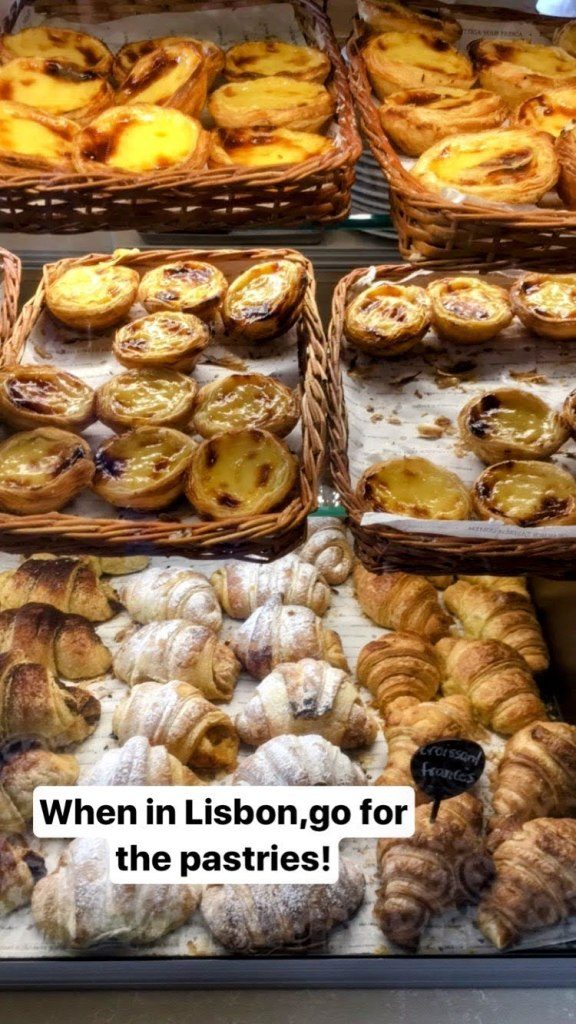
1. What to gift a solo traveller, an adorable couple, or a special friend: The Essential Collection. This was one of the three original collections that Tinggly launched with—hence, I clearly remember gifting it to friends and additionally gifting it to myself at one point—eventually using it to explore Lisbon via food!

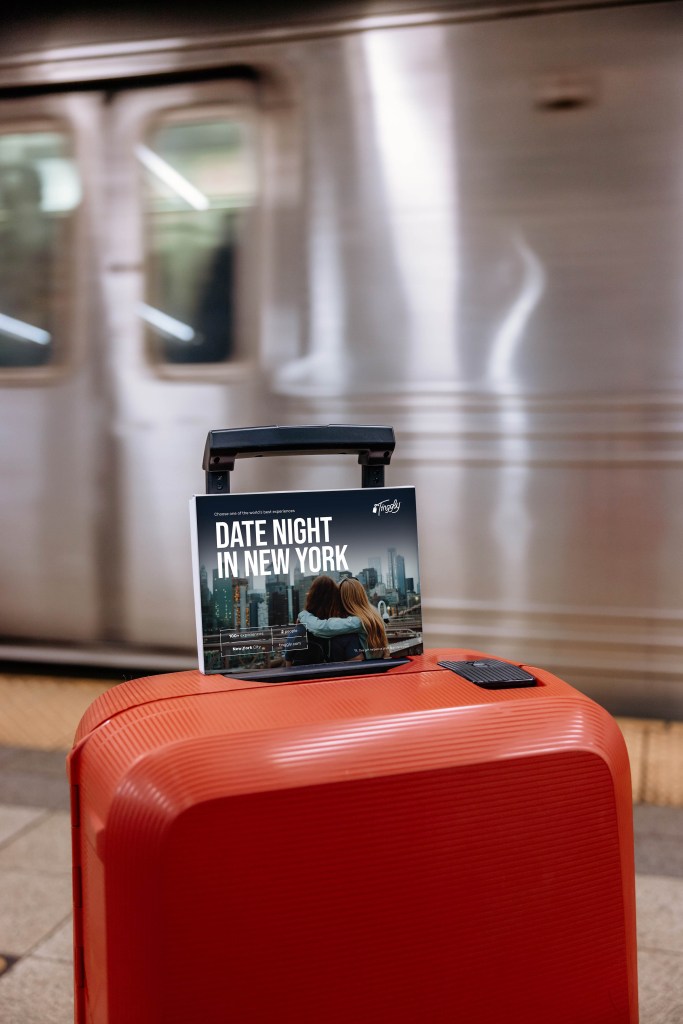
2. What to gift your partner: Be my Valentine, a Date in NYC, or Fun Together Collection. Whatever one’s love language may be, the thought counts, right? Perhaps one of these gift boxes is a sweet gesture for your partner or a fun-loving couple looking to experience something new together.

Other options: Perfect for Her, Perfect for Him

3. Thank You gestures, Weddings, Farewell gifts: My all-time favourite Premium Collection

This is my OG multi-purpose and most gifted gift box—one that I absolutely love! I have carefully browsed through several of the locations and experiences offered and gifted it to friends and family who have used it to take a Gondola ride in Venice, explore the Colosseum on a guided tour in Rome, or go on a day trip from Kuala Lumpur, among other things.

Other options: Thank You Collection

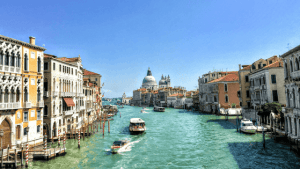
Best views of Venice . Image copyright - europediaries.com- 10 beautiful famous places in italy .Bacaro Venice.
Venice: I chose to surprise my cousins by booking a Gondola Ride for them on their Italy trip

4. What to gift someone graduating or moving abroad: Bucketlist Collection, Experience the World or Adventure Awaits

Travel is education. Why not give the gift of adventure, spark curiosity and help them make memories!

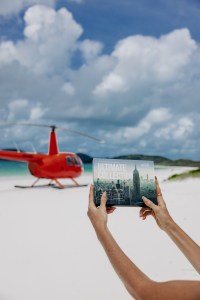
Fly away on an adventure! Tinggly offers the possibility of multiple adventure experiences worldwide.

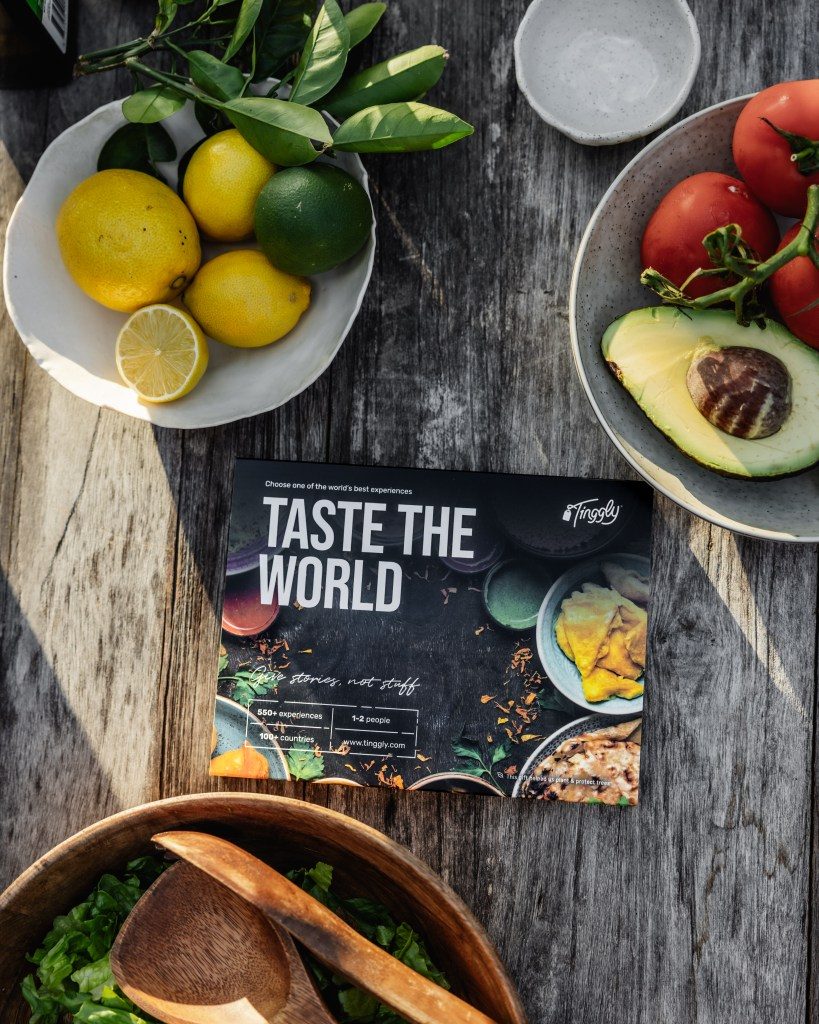
5. What to gift the foodie in your life: Taste the World

If you want to send your foodie friend or your favourite foodie couple for a delicious adventure anywhere around the world, check out this collection of 1,000+ experiences and keep it in mind to make the next occasion memorable.

For the love of food: For individuals or couples. Image: Tinggly

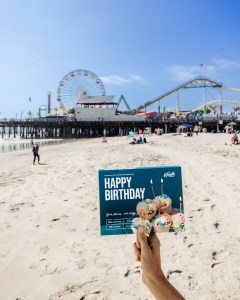
6. What to gift a travel lover on their birthday: Happy Birthday Collection

I have admittedly spent my own birthday in a fun/amusement park more than once. But even if you don’t like rides, who wouldn’t love having a special experience of their choice on their birthday! Whether they decide to spend a day at a spa, kayaking, watching whales, or going on a peaceful sunset boat ride with friends, they are bound to think of you fondly and appreciate your gesture.

7. Special gift for a wedding, honeymoon or anniversary: Just Married, Dream Wedding, Getaway Gifts

Last Christmas, we embarked on a 2-week road trip across California for our honeymoon. We had a fantastic time driving from San Francisco to San Diego, taking in the breathtaking coastal views and stopping at charming towns along the way. On checking our older Tinggly vouchers, we realized we had two unused ones and decided to combine the credit (yes, that’s also possible) to book a 2-night stay in a beautiful ocean-front room at the Hyatt Regency Mission Bay Spa and Marina and ring in the new year! My favorite part was admiring all the sea lions and adorable otters in the region, but after full days of sightseeing, relaxing in the pool area with a cocktail or watching the NYE fireworks from our balcony was a much-needed relief.

Other options: Happily Ever After

Ocean-front room in San Diego booked via Tinggly

8. Holiday-themed gifts for the special ones: Merry Christmas, Happy Holiday, Merry and Bright

Holiday shopping can get stressful sometimes. But with gift cards and boxes for every occassion, it can sure help out atleast when planning gifts for travel lovers. I was also surprised to find new boxes of late that could be great for Father’s Day and Mother’s Day. Isn’t this truly one gift to rule them all?

9. Big-ticket gifts for big occasions: Ultimate Collection, Once in a Lifetime

If none of these seem fit for the occasion, a gift card could always be a good option to inspire their wanderlust.

What experiences would you like to gift your loved ones? Leave your thoughts in the comments below.

Disclaimer: This post includes affiliate links, meaning incase you decide to gift someone beautiful memories using the links above, you will be helping this blog in a small way with no additional costs at your end. All opinions are my own and based on my personal experiences.

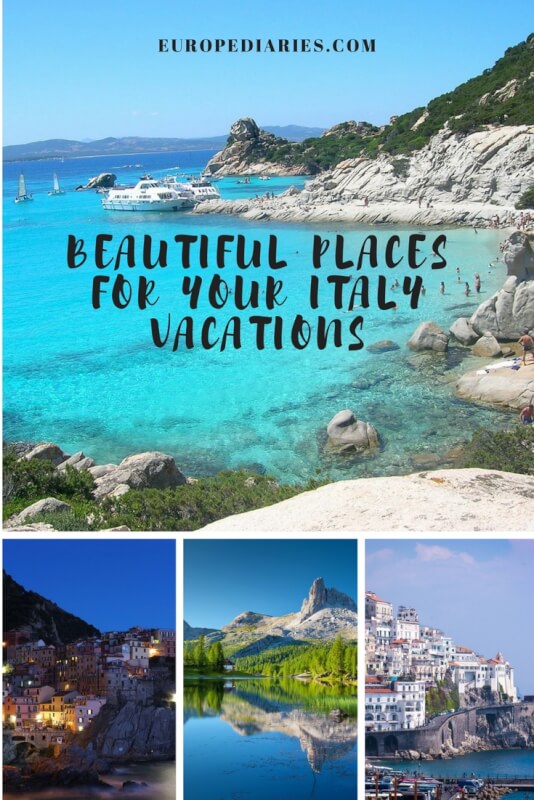
Italy Wonders: Beautiful places to consider for your Italy vacations

Italy is a country of dreams. With one of the richest cultures and heritages in the world, the nation has been the epicenter of the Holy Roman Empire for millenniums and is home to some of the world’s oldest architecture, all of which tell the tale of the ancient European state. But it’s not just history in Italy; the country is also home to beautiful beaches, spectacular alpine scenery and mesmerizingly beautiful countryside. And of course, Italian food cannot be forgotten; Italy is home to pizza, pasta, risotto and numerous other dishes. The sights in Italy will take your breath away, but the country is tantalizing in every other sense as well. In a country as rich and diverse as Italy, one can easily be confused about where to start planning your Italy travels from! Here are just some of the amazing places to consider for your Italy vacations. You can self-plan or book one of the many Italy tour packages.

  • ROME AND VATICAN CITY

Rome, the capital of Italy, has been one of the most significant European cities for the last two millenniums, and its legends and stories can be felt just by walking the streets. Whether you’re soaking up the history of the Trevi Fountain or marvelling at the Colosseum, visiting Rome is an overwhelmingly sensory experience to be relished.

If you are done with ancient history, check out some of the art galleries that the city is famous for, which range from the historic Basilica of Our Lady to the much more contemporary Macro on Via Nizza, which showcases some of Italy’s best modern art.There is something for everyone in Rome, and exploring its most famous sites will give you a greater understanding of not just the individual city or country, but the whole world.

Check out and book Rome tours in advance.


Vatican City is officially the world’s smallest country by both size and population but feels very much just part of Rome. The Vatican City has been an independent country since 1929, but has been the home of the Pope since the 14th century and is the global epicentre of Catholicism. Architecture fans will be delighted at some of the oldest, largest and most intricate Catholic buildings in the world, and religious folk especially will find the links to deities unique and captivating. From entering the country by Saint Peter’s Square, you will be surrounded with some of the most distinguishably beautiful and ancient architecture in the entirety of Italy – and perhaps the world!

The iconic Saint Peter’s Basilica contains Michelangelo’s famous Pieta and the ornately decorated Sistine Chapel. Underneath are the remains of a 4th-century church and St Peter’s Tomb. Visiting the Vatican City is an experience like no other, and the history and cultural significance of the country within Rome makes it a must-visit on your Italian bucket list.

Book skip-the-line tickets for Vatican City so you don’t have to queue up for hours.
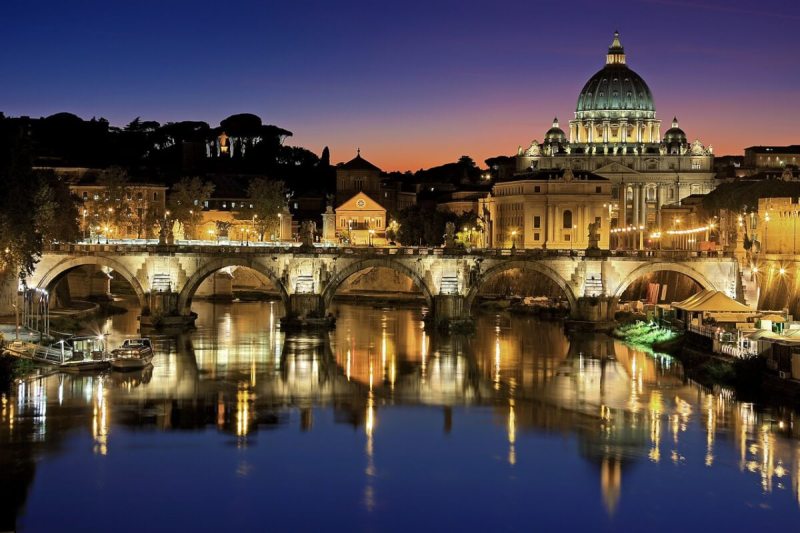
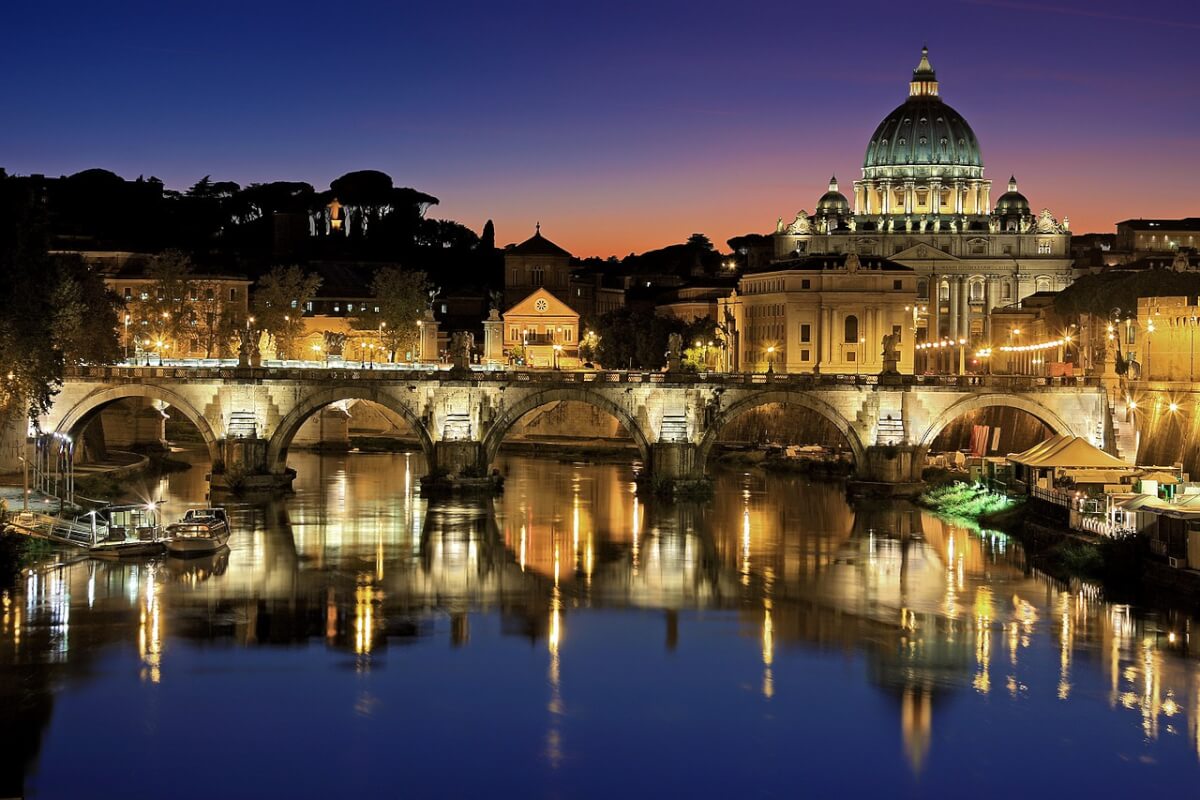
Where to go in italy - History lovers, head to Rome and vatican City! Check out 10 famous and beautiul places to visit in italyVatican City

  • VENICE

The jewel in the Adriatic’s crown, the city of Venice has been sparkling for centuries, and its allure can easily be felt through a trip here. The north-eastern Italian city is a place absolutely bursting with history; the city has rigidly strict rules about the preservation of its canals and historic buildings, meaning that you’ll feel like you’ve been whisked away to an era long forgotten.

Any architecture fans will be in their element in Venice; it is the home of 14th-century Venetian Gothic architecture – a Gothic building looming from the waters of a canal is a common sight of the city. Venetian masks are another thing that the Italian city is famous for, and there is a certain glitz and glamour to going into one of the mask stores and seeing some of local artists’ finest – or even purchasing one of your own. In fact, you can take some tours to learn all about mask-making in Venice too.

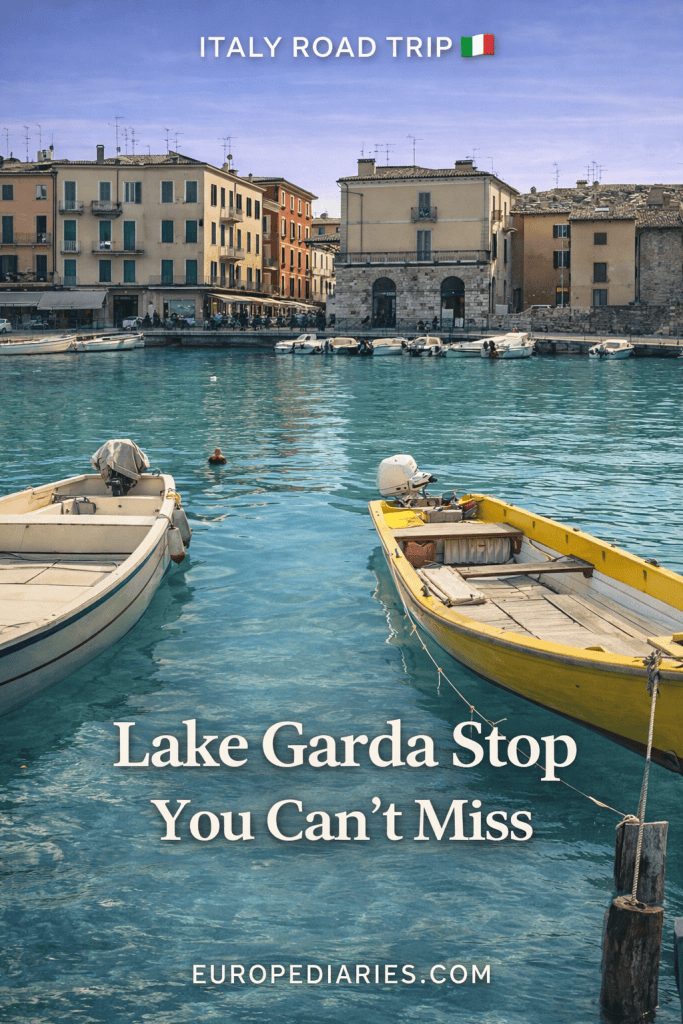
And of course, any trip to Venice wouldn’t be complete from its most unique angle – the water. Take a trip on a gondola or one of the other boats and watch the breathtakingly beautiful city go by at its relaxed pace. The globally renowned and unique city of Venice has the distinctly Italian air and is without a doubt one of the must-visit places in the European country. If you have time, head over to Lake Garda while you are in the region or visit some Prosecco vineyards!

READ: Rowing a boat in Venice and exploring like a local

ALSO: A foodie’s guide to Venice: Eat and drink like a local
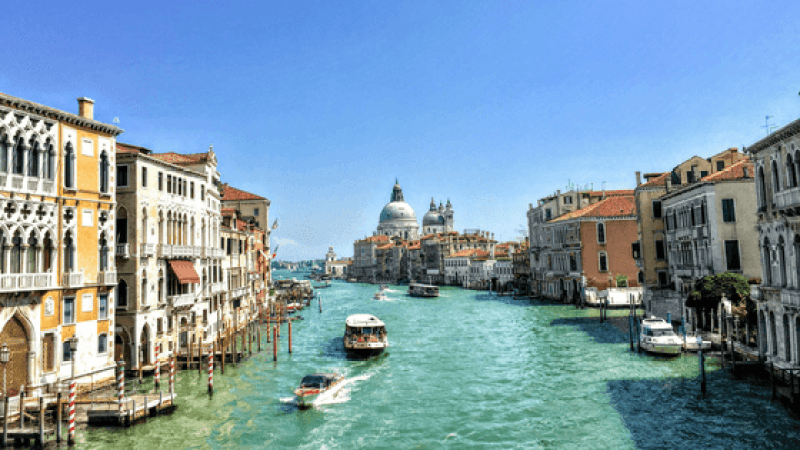
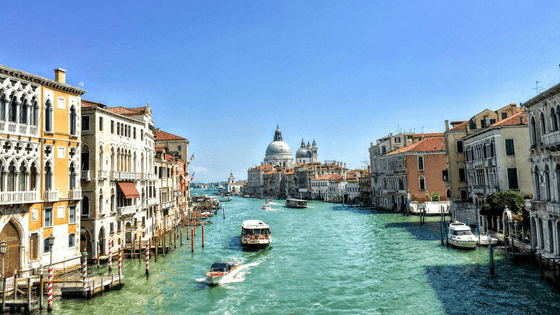
Best views of Venice . Image copyright - europediaries.com- 10 beautiful famous places in italy .The only city where I was greeted with a view of the lovely blue waters soon after exiting the Railway station

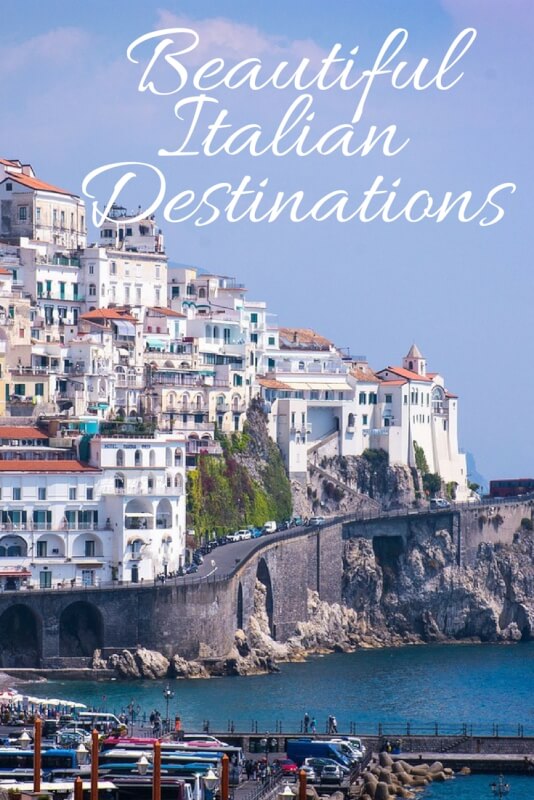
  • AMALFI COAST

It’s surely up there with one of the most picturesque coastlines in the world; the Amalfi Coast is the perfect destination for photographers and sun seekers. Set alongside the Tyrrhenian Sea on Italy’s west coast, the 60 kilometre UNESCO coastline road encompasses scenic towns, historic houses and ancient churches.

Visitors to the Amalfi Coast can enjoy both the spectacular natural beauty of the region on hikes such as Il Sentiero Degli Dei, which runs from Positano to Agerola and the quaintly atmospheric towns of Ravello and the busier Sorrento on the western end.

An Amalfi Coast self-drive trip is a somewhat hair-raising experience; Italian drivers are fast and the road is rather infamous for being a little treacherous, but you’ll be rewarded with unbelievable views at almost every turn.

But if the weather is not the best, or if you’ve had enough of laying in the sun, there is incredible architecture such as an 11th century church cathedral in Ravello, Roman ruins throughout the whole coast and ceramic vases, tiles and urns to admire and purchase in the adorable village of Vietri Sul Mare.
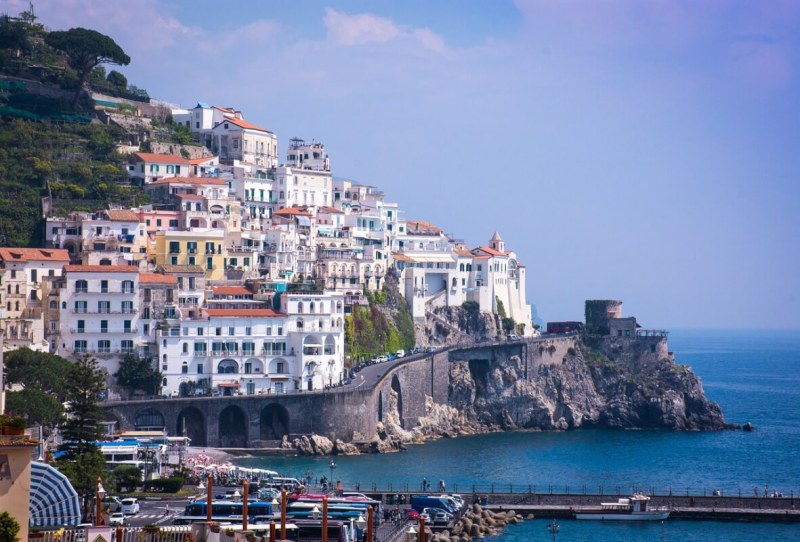
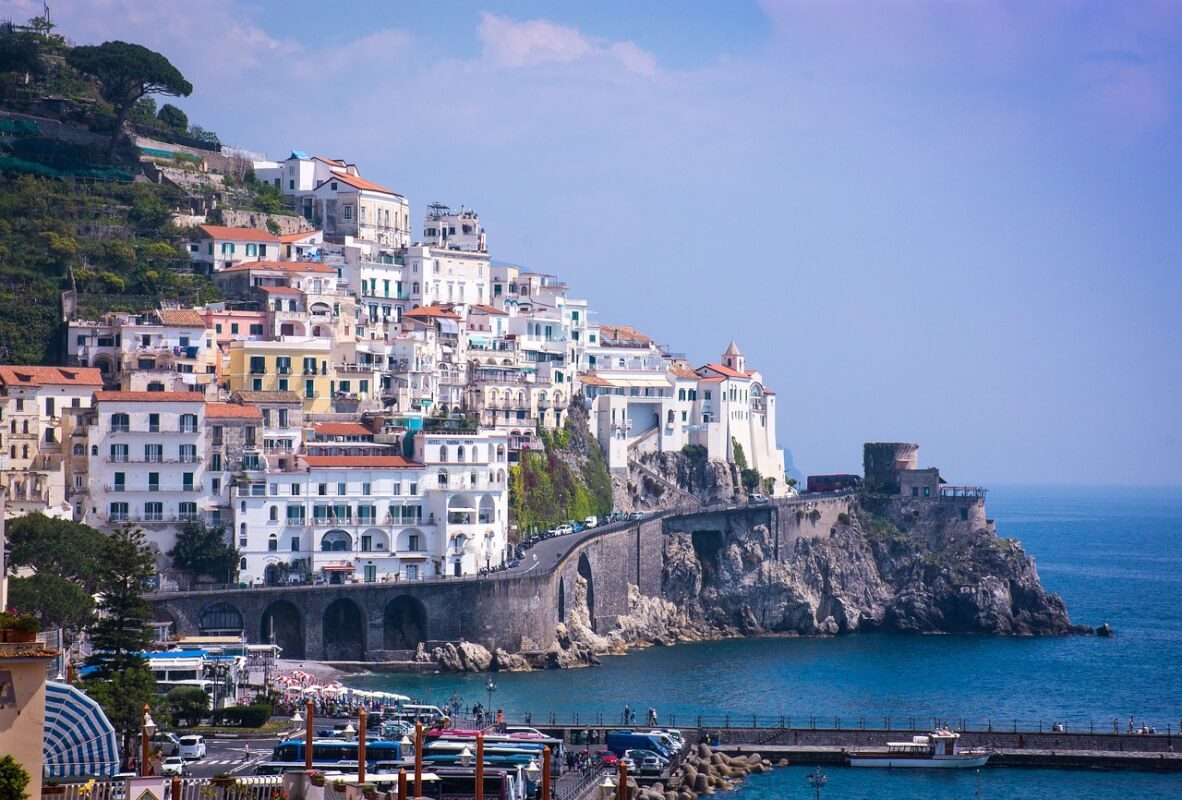
Where to go in italy: best Italy vacations in amalfi Coast. Check out more suggestions at europediaries.comAmalfi Coast is one region I have been dreaming of for a long time.May can be a good time to visit Amalfi before it gets too crowded and warm.

Check out some of the Amalfi Coast tours here:

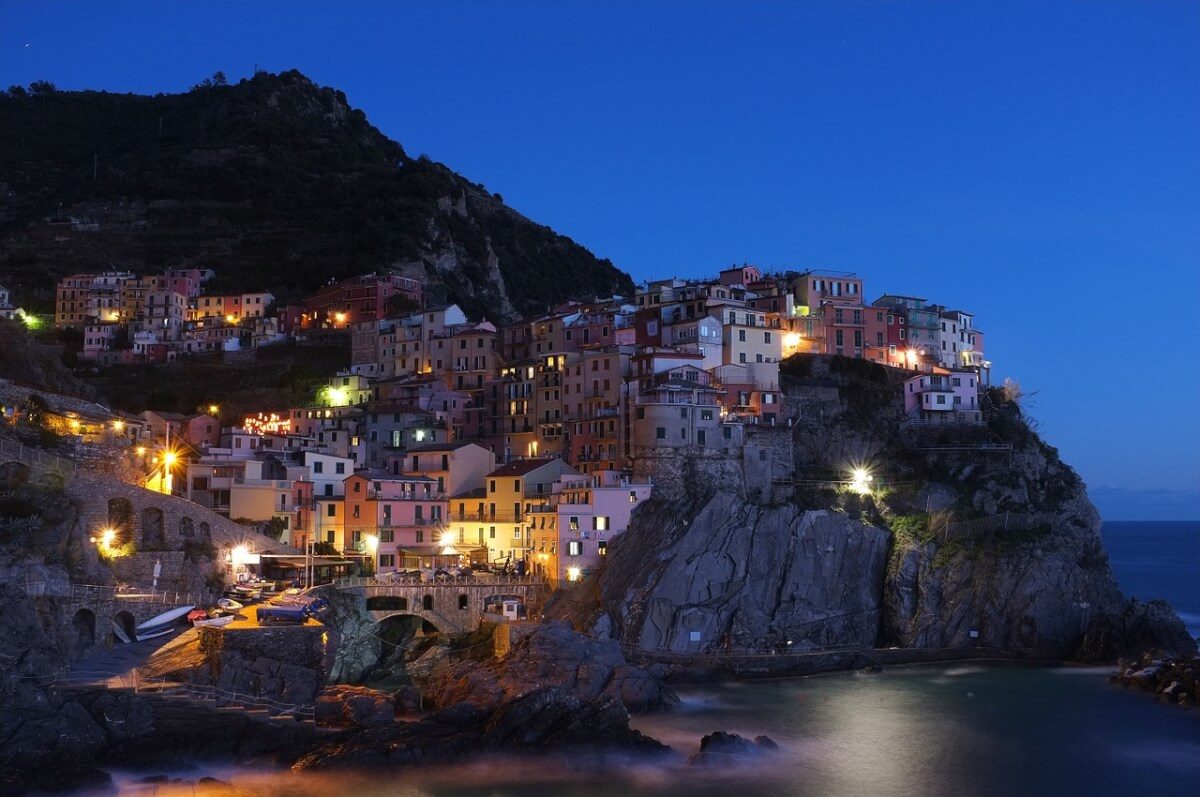
  • CINQUE TERRE

Sometimes the world’s most photographed sites are so for a reason. Nobody could deny the beauty of the Cinque Terre; which is why it was made a UNESCO world heritage site in 1997 and the reason for so many people to frequent the site to this day.

Cinque Terre is nested within a valley of the mountainous Italian Riviera, between Genoa and Pisa in the north-west of the country. The area is comprised of Monterosso, Vernazza, Corniglia, Manarola and Riomaggiore – five villages which date back to medieval times, each which has its own distinct character and charm.

Cinque Terre is not just ideal for keen photographers but great for history fanatics as well; it’s hard not to be absolutely enchanted by the fabled stories contained within each medieval village. And if you’re into hiking, Cinque Terre is your dream destination. With extraordinary mountains to climb and spectacular vantage points at almost every corner, the sheer natural beauty of this spot of Italian coastline makes trekking a mesmerizing experience.

Exploring the Cinque Terre, whether it be on foot, rail or by boat is one of the most uniquely Italian things you can do which makes it a staple on your bucket list.
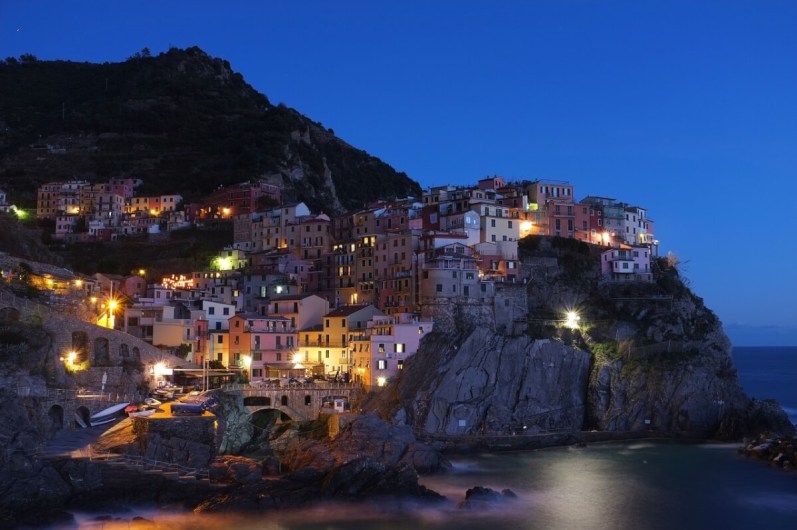
Famous places in italy: go to Amalfi Coast for a great Italy vacation!

Cinque Terre means ‘five villages’. You can easily get there from Florence.Although some people go for a day trip, it would be much better to spend a few days there, savouring the views and going on hikes.

For your dose of history and architecture, you can visit Florence.

READ: Exploring Florence on foot

ALSO: FOOD in Florence

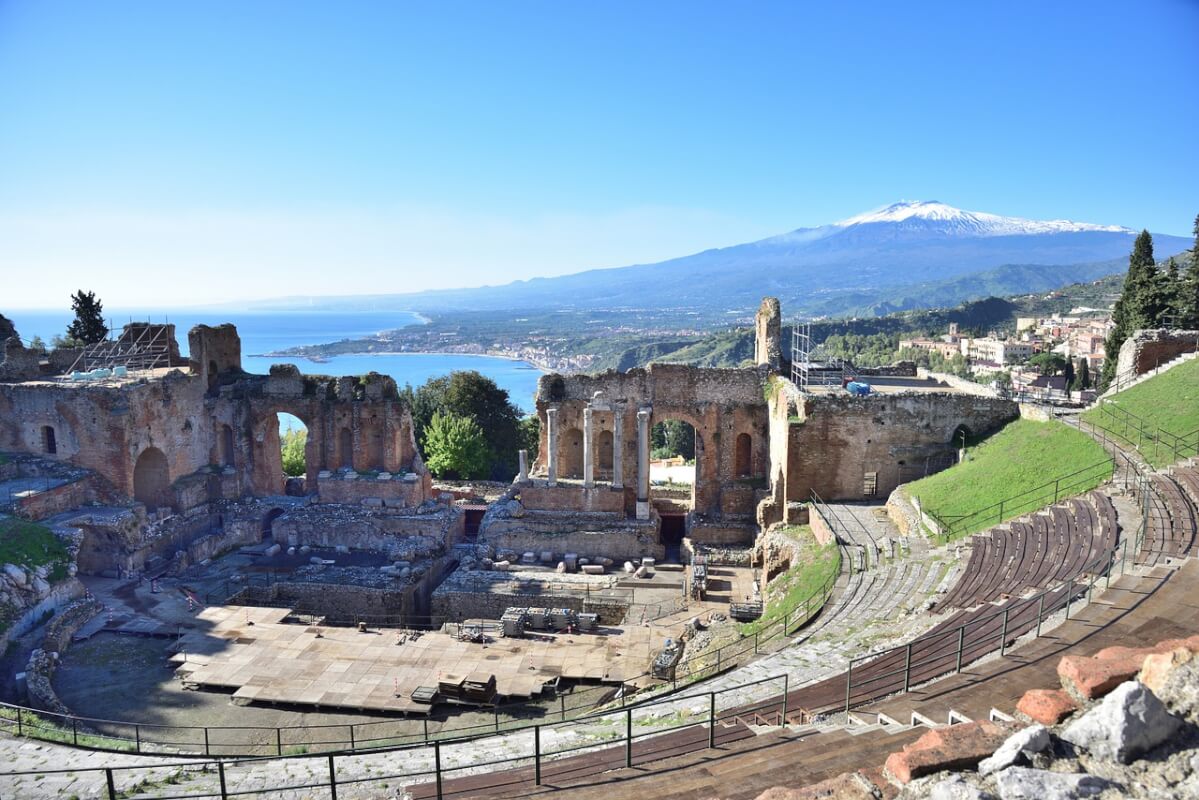
  • SICILY

There is nowhere on this planet with as many UNESCO world heritage sites as Sicily. The island, located off the coast of the Italian peninsula, is packed with ancient Roman architecture, Greek ruins and some of the best food that you’ll eat on your entire trip to Italy.

Popular Sicilian spots can be best enjoyed on a road trip around the island, passing by the best spots and ending in its capital city, Palermo; Sicily can also be encompassed on a Southern Italy road trip. A must-visit for history enthusiasts, a trip around Sicily will help you understand the Ancient Greek influence over southern Italy; and it’s also a fantastic part of the country for foodies to enjoy.

Life in Sicily moves at a slower pace than that on the mainland, leaving visitors refreshed and recharged. Exploring Sicily by car is the perfect Italian road trip to soak in some quintessential Italian history and culture.

Europe Diaries Tip- Check out Wanderjack for private, customised experiences in Sicily. I had a wonderful experience in Venice with them and would try them out in Sicily too.
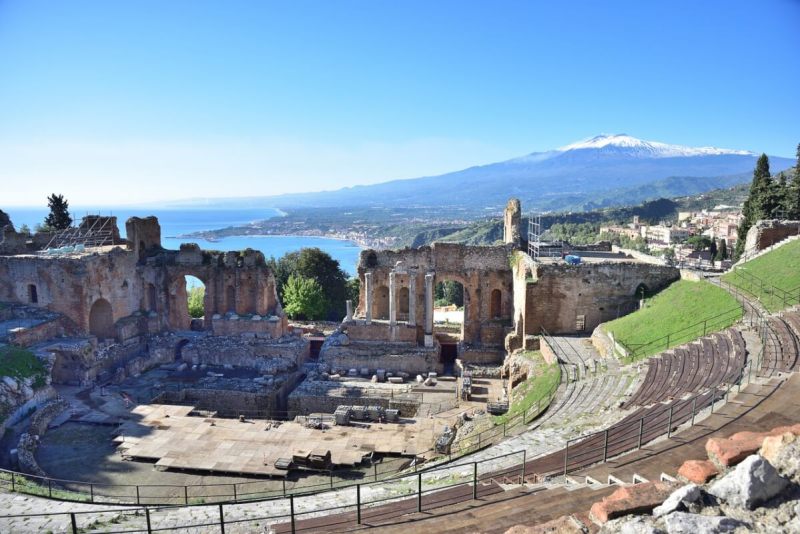
Sicily- dream destinations in Italy. If you are planning your italy vacations and looking for places to visit, Sicily is a great option for you.

Sicily, italy

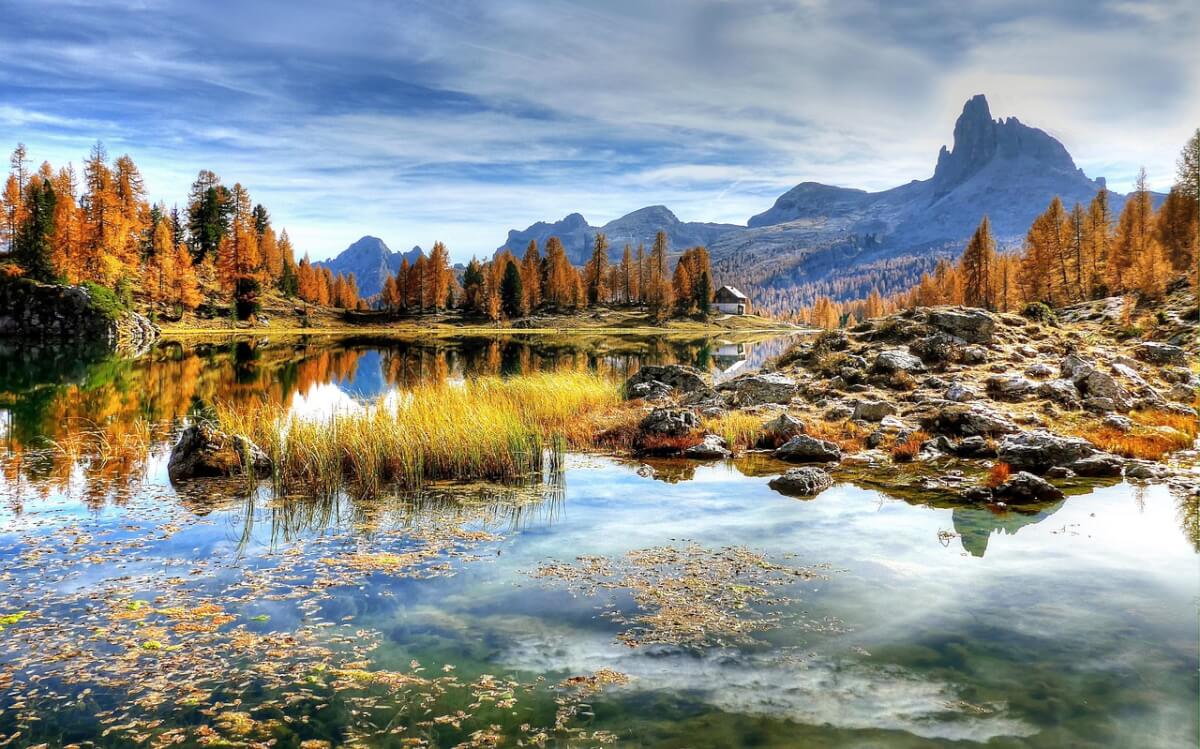
  • THE DOLOMITES

Northern Italy is renowned for its mountain ranges, and the Dolomites in the north-east of the country, not too far from the Austrian border, are a spectacular place to get a little lost in. In the summer, the spectacular mountain ranges offer clear, fresh air and cooler temperatures than the lowland part of the country.

Hikers will love the plethora of intertwining walking trails leading into quaint mountainous villages that could not be found anywhere other than the alps ranges. They are perfect to take a day hike or enjoy a walking holiday, stopping at various Alpine villages on the way. The Dolomites are also a renowned world heritage site and fossil archipelago, with a fascinating and enthralling amount of natural history.

If you are more into snow sports, head to the Dolomites during the winter season where the villages and towns get a white blanket and are transformed to some of Italy’s favourite skiing and snowboarding destinations, with adrenalin pumping pistes during the day and lively bars by night.

Visitors to the Dolomites will feel refreshed and rejuvenated and the spectacular vistas and a fantastic array of activities on offer are reasons to put visiting the Dolomites on the top of your European bucket list.
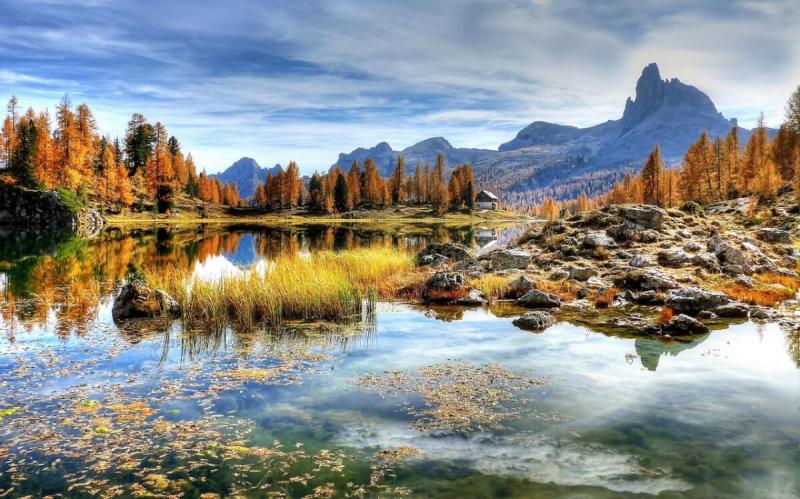
Italy alps- Dolomites- Best places for italy vacations.

If you are in the mood of exploring a mountainous area, head over to the Dolomites in Italy.

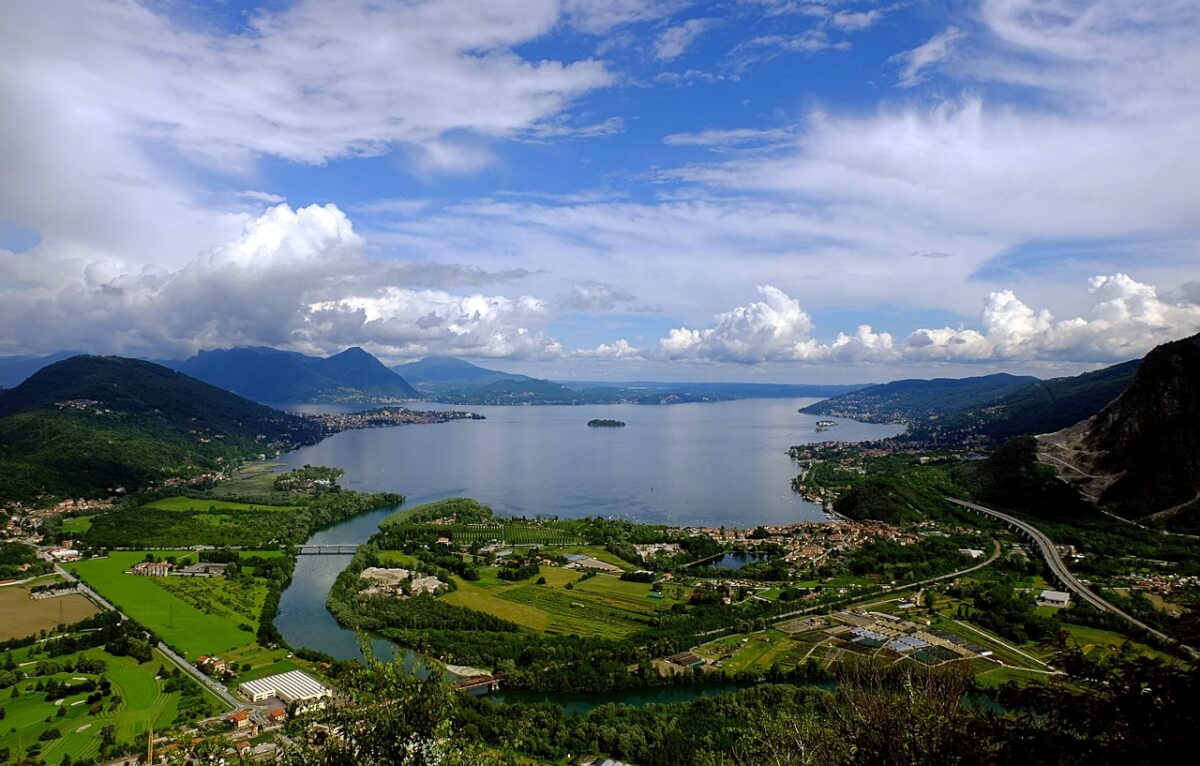
  • LAKE MAGGIORE

There’s nothing quite as refreshing as breathing in the clear air of an alpine lake; especially when it’s as large and as spectacular as Lake Maggiore. Straddling the Swiss-Italian border in the north-west of the country, Maggiore is famed as Italy’s second largest lake, but what fewer people are aware of is that it’s one of the country’s most spectacular sights as well.

Visit as part of a skiing holiday in the winter, or head to Maggiore in May or June for stunning wildflowers and warmer weather. Take a hike around the lake itself and admire lookouts which showcase the best of the mountainous surroundings. Or alternatively, you could kick back in one of the many charismatic villages on the western shore of the lake. Stresa encompasses ancient villages and a cable car to the scenic Monte Mottarone, and Arona which contains a gorgeous ancient castle.

Positioned proudly in the middle of the waters are the Borromean Islands, which are open to visitors and only add to the irresistible beauty of the lake itself. Visit Maggiore to feel refreshed, rejuvenated and revitalised; that and the glorious beauty of the lake are enough to push it to the top of your Italian bucket list.
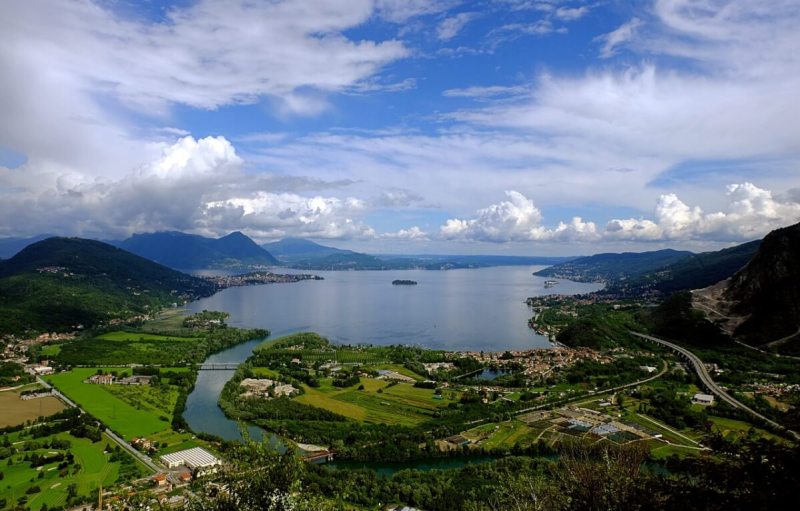
Most beautiful places to visit in Italy for your vacations: lake maggiore

Lake Maggiore

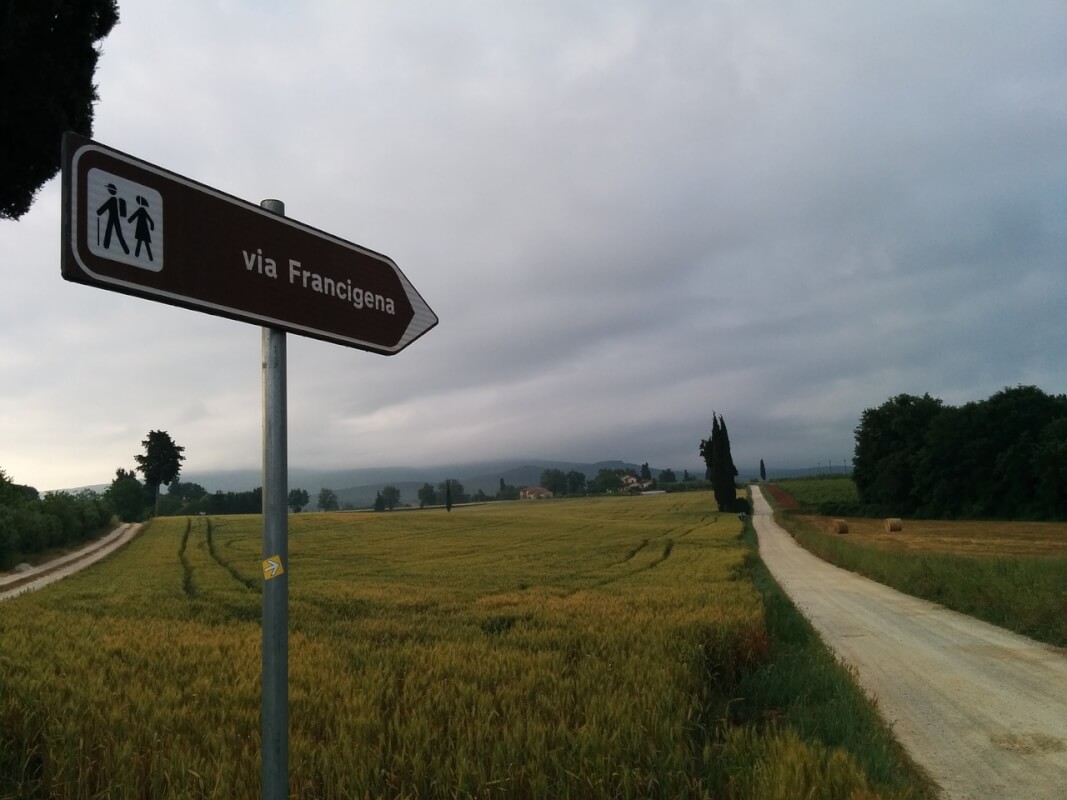
  • VIA FRANCIGENA

Part of an old route that connected Canterbury in the UK to Rome, the Via Francigena is a rediscovered pilgrimage-style route through some of Europe’s best countryside. The Italian portion stems through the Po Valley, into Fidenza, through Tuscany and finally toward the Mediterranean Sea, heading southwards to Italy’s capital.

The journey can be enjoyed in its entirety or as sections, as a road trip or hikes which can range from day walks to week-long treks. Nature fans will love the tranquillity and serenity that the track provides, as it winds through some of Italy’s most loved countryside; but history lovers will be equally in their element as they retrace the steps of so many before on this ancient route.

There are also plenty of quaint towns to explore, which of course contain some of Italy’s most well-known characteristics; ancient buildings and great food. Exploring the Via Francigena will give you a tremendous sense of achievement; a pride at completing a quest, and will also educate travellers as to how the pilgrims journeyed over a thousand years ago.

This eye-opening journey will give you an insatiable lust to explore even more of historic Europe, which is why it is a must-visit for all travellers to the continent.
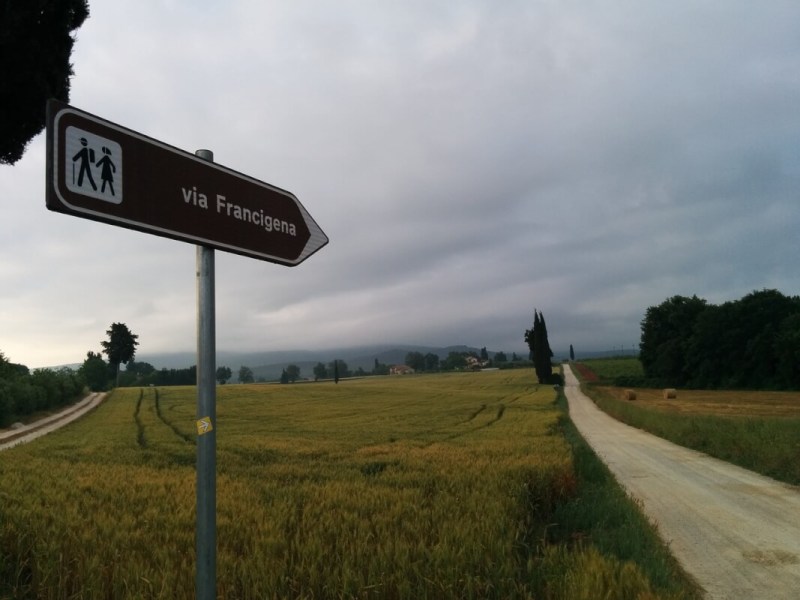
Italy pilgrimage: Via francigena- Where to go in Italy

Via Francigena

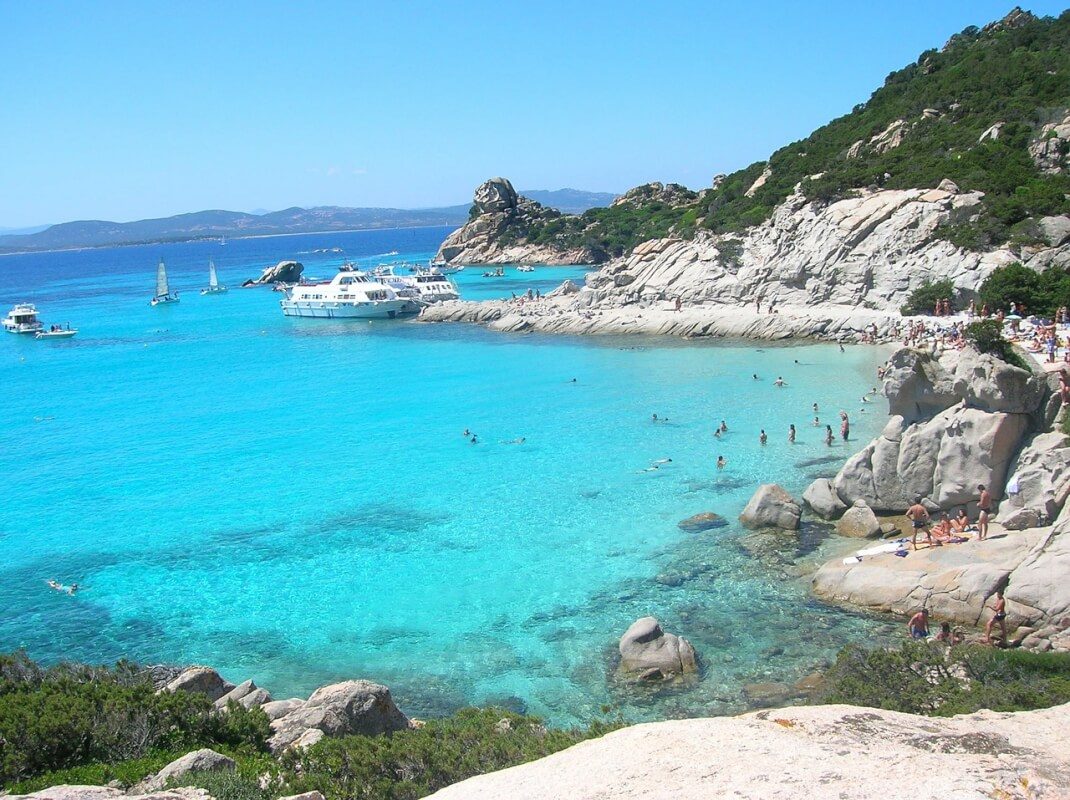
  • SARDINIA

You’re not exactly pushed to find a beautiful bay in mainland Italy, but in mesmerizing Sardinia, an Italian-owned island in the middle of the Mediterranean Sea, there’s stunning bays and azure waters on every corner. Sardinia has been part of Italy since 1861 and the island has 2,000 kilometres of coastline.

It is an ideal place to visit once you’ve explored some of Italy’s hectic cities; here in Sardinia, where the entire population enjoys a far more relaxed pace of life than on the mainland. But if you’re seeking adventure, don’t rule Sardinia out – the hinterland of the island is packed with hiking trails up steep mountain paths, offering magical forests to explore and spectacular coastal vistas from vantage points.

Or search for the nuraghi that Sardinia is famous for – Bronze Age stone ruins, some of which date back to 1500 BC. Sardinia has something for everyone: tasty food, great Italian wine, adventurous hikes and plenty of sun-soaked beaches perfect for soaking some rays. Head to the Italian island to both relax and adventure, and enjoy some authentic Mediterranean culture while still in the wonderful country of Italy.

Check out some tour options in Sardinia.
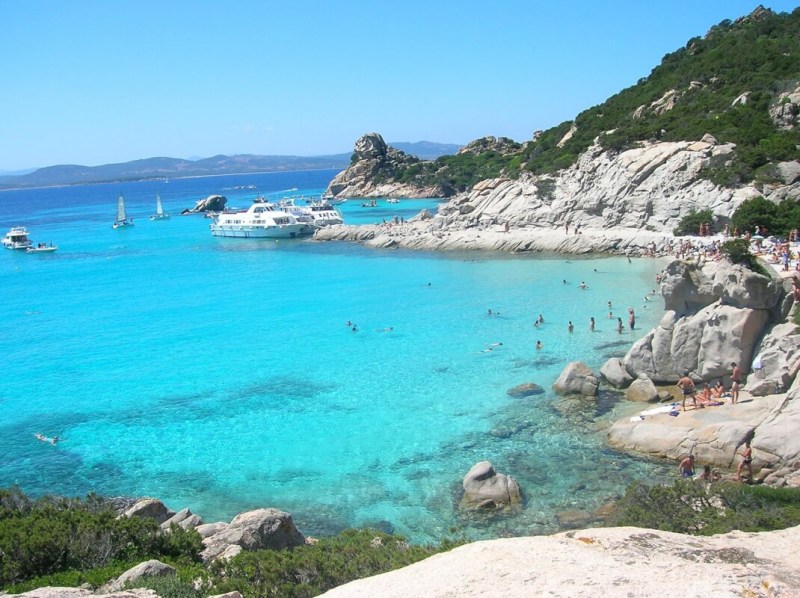
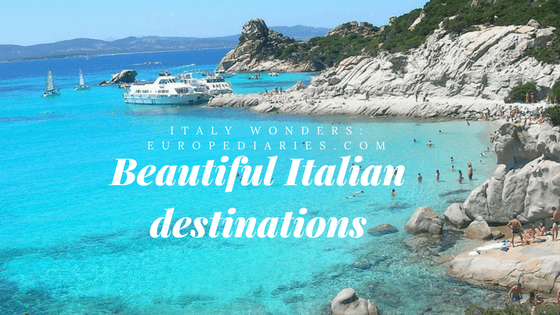
Most beautiful places in Italy: Sardinia.

Sardinia: Dream destination in Italy

Which of these places will you consider for your next trip? Do you have a favourite city/region in Italy? Share your thoughts in the comments below and do share this article with your friends and family on Facebook/Twitter.

Why not save this post on Pinterest for finding it easily later?
Written by Claire from Claire’s Footsteps.

Claire is a British travel blogger on a mission to get to the heart of places by overland adventures. She writes about eco-travel and travelling with purpose on her blog, and she is currently back in the UK, plotting her next adventure! Keep updated with her travels on her blog.

Disclaimer- Some links in this post may be affiliate or sponsored, with no extra costs for you incase you decide to visit and book any of the tours/stays. The content in itself is and always will be authentic for all you curious travellers.

The Best Resources to Help You See the Northern Lights in Sweden

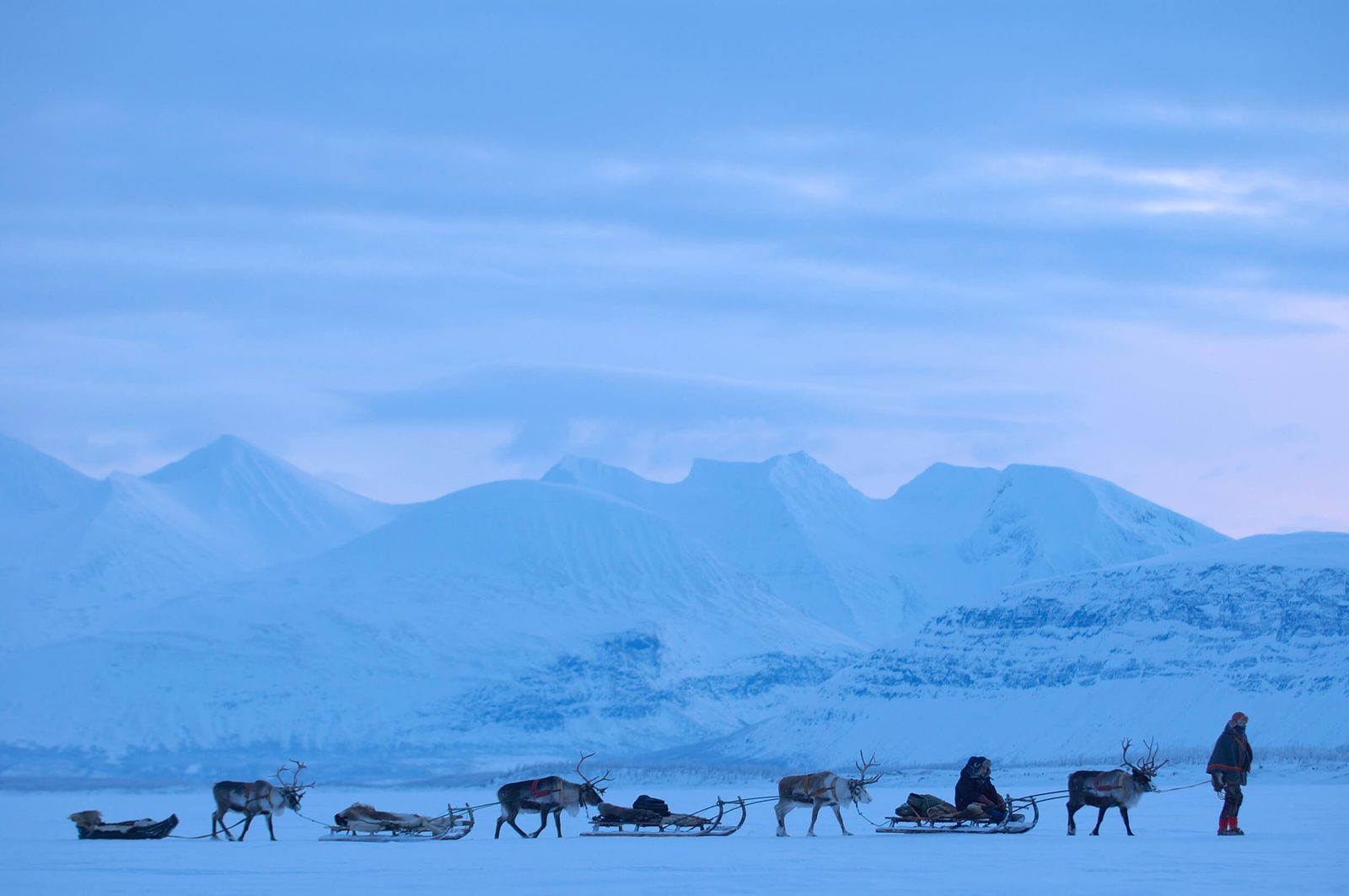
Actually getting to see the Northern Lights in Sweden can be a tricky business but there are a number of ways that you can up your chances to see this fickle, but stunning, light show. Mark, a Swedish local, avid Couchsurfer and Northern lights expert, shares his best resources and tips to help you see the Northern Lights in Sweden.


Northern Lights Sweden

Facebook Pages and Groups About the Northern Lights in Sweden

To start with, I highly recommend that you sign up to a few Facebook groups and pages if you are planning to see the Northern Lights in Sweden. Here are a few of my favourites:


Northern Lights in Luleå

I started this group to show people how intense the aurora can be and how often it is seen from Luleå, where I live in northern Sweden, up by the Arctic Circle (but Abisko is still the best place to go, more on that later).


Aurora Alerts by Soft Serve News 

As well as having up to date alerts for the Northern Lights in Sweden and around the world, you can also visit the Soft Serve News website for hands down the BEST aurora forecast information. Links to the website from the Facebook page. 


Lights Over Lapland

I have never met Chad, the dude that runs this company, but from what I have read and seen, he is one of the friendliest “ self-employed business owners” there is. Chad doesn’t just share his business with you, he shares his passion for the Northern Lights. You can check out their tours at visitlapland.com.  


STF Abisko Turiststation

This is the official Facebook page for the Abisko Tourist Information Center. (You will read later why it is worth remembering the name ”Abisko” and believe me, if there is ONE word to remember for Sweden Northern Lights planning, then it is Abisko).


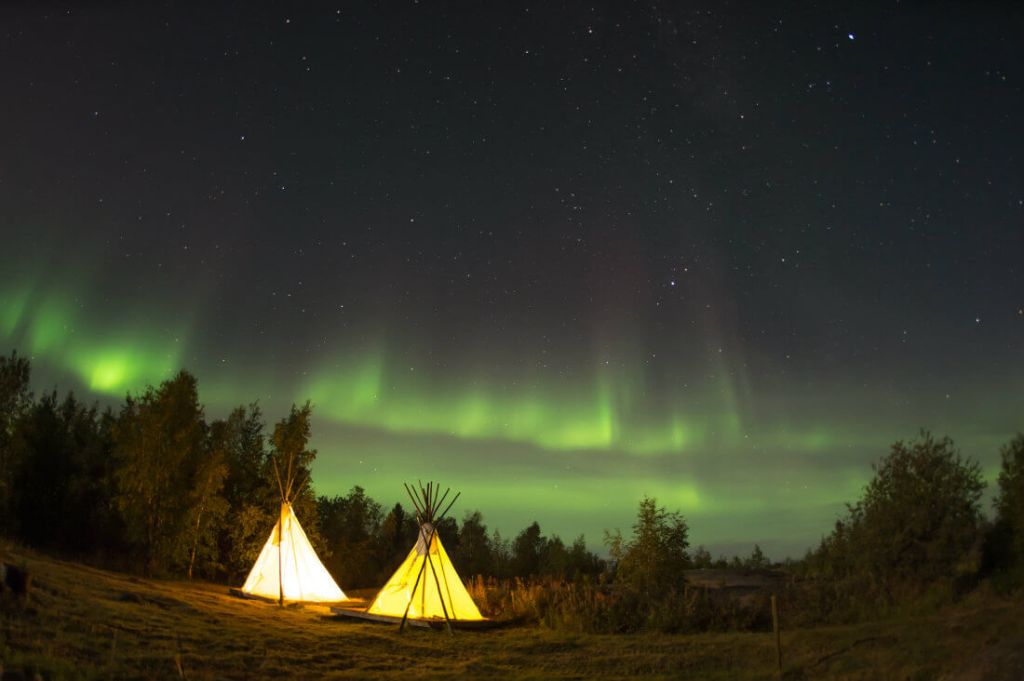
Camping to see the Northern Lights in Sweden

Book a night photography tour in Abisko National Park 


Find your cheapest connections to Sweden below:


Websites About the Northern Lights in Sweden

Along with Facebook Pages and Groups, there are also a number of useful websites to help you plan your Northern Lights adventure in Sweden:


Soft Serve News

The website for the Facebook page mentioned above, and the link I use the most, Soft Serve News is the BEST Aurora website for Sweden and around the world – it even has an easy to use app for cell phones. There are countless sites and links to be found that have information about the Northern Lights in Sweden and I have seen and used most of them before settling on this one.


Space Weather Prediction Center

This website features an Aurora Forecast Model that shows the intensity and location of the aurora that is predicted for the time shown on each map.


Lonely Planet

Lonely Planet’s article about the best places in the world to see the Northern Lights, with Abisko in Northern Sweden rated as number one.


The best places to see the Northern lights

I live in Luleå, and we have some pretty intense auroras here. But, my personal recommendation is to go to Abisko. “The Lonely Planet” voted Abisko as the best place on the planet to see the auroras.


Tromso or Abisko for Northern Lights?


The most popular alternative to Abisko in Scandinavia seems to be Tromsö in Norway. Now, firstly I ought to point out, I have NOT been there. So here are some pros and cons of each.

1. Tromsö has Norwegian prices. So, it is WAY more expensive than Abisko.

2. Tromsö has about 70 000 inhabitants. Abisko has about 50 permanent residents. And about 100 working/living there for tourism.

3. There are a lot more other things that can be done in Tromsö; nightlife, clubs, restaurants etc.
In Abisko you can, enjoy the nature, ski, read a book and wait for the auroras.

4. Tromsö has an airport close to it. Abisko doesn’t.

To get to Abisko, you can either fly to Kiruna then take the train to Abisko, or fly to Luleå which means a further train journey, but there are more “cheap” flights to Luleå. And if you travel via Luleå then you also have the opportunity to see Kyrkbyn – a hamlet which is on the UNESCO World Heritage list. You can also get to Abisko via Norway if you take the train from Narvik to Kiruna, in Sweden. Abisko is in the middle shortly after you pass the Swedish border.


CHECK FOR PRICES AND AVAILABILITY OF ACCOMMODATIONS IN ABISKO HERE


CHECK FOR PRICES AND AVAILABILITY OF ACCOMMODATIONS IN LULEA HERE


CURRENT DEALS:


Other Things to do in Sweden During Winter

Though most of the above resources and tips are related to visiting Sweden for the Auroras, it would be a shame not to partake in some of Sweden’s other winter activities while you are there, the best of which I have listed below:

Skiing

No matter where you are in northern Sweden you are rarely further than an hour away from great downhill/Slalom skiing slopes. There are too many to list, but two worth mentioning are the slopes in Abisko and the neighbouring slopes in Björkliden. You can also go cross-country skiing, which is much easier for beginners as it is similar to walking or jogging on skis.


Book a snowmobile expedition Aurora tour with dinner in Kiruna, Sweden 


Dog Sledding

If you have ever wondered what it would be like to go dog sledging then you can find out in Sweden during winter, with many places offering dog sledging trips through Sweden’s winter wonderland.


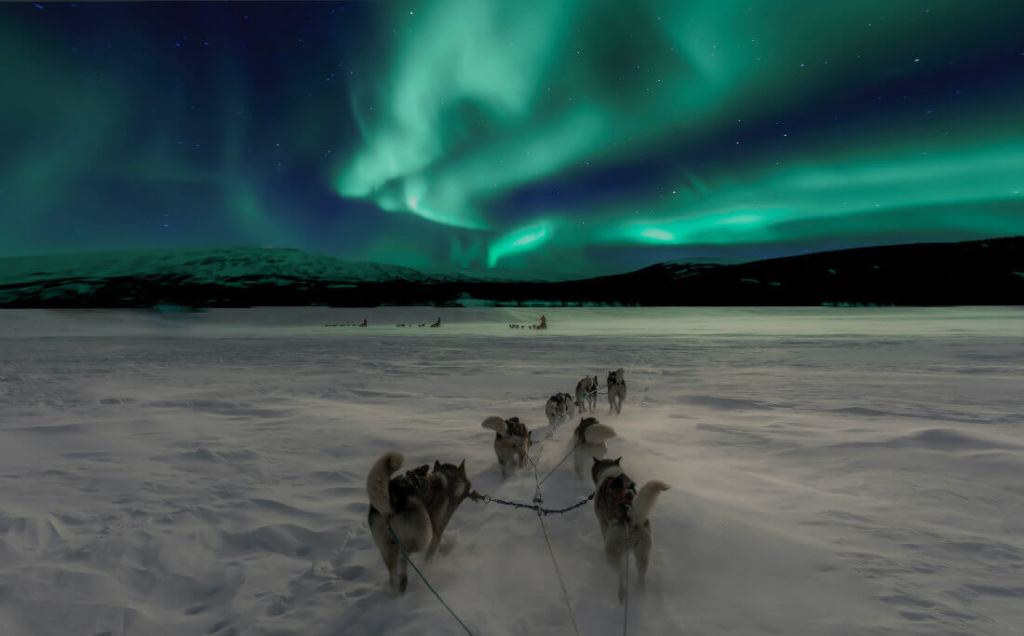
Dogsledding and Northern Lights in Sweden

Ice Hockey

Watching an Ice Hockey match in Sweden during winter is a must. Northern Sweden has some of the best ice hockey teams in the world, one of which is from my hometown of Luleå. I am not a great fan of ice hockey and don’t follow the clubs, but what I really liked about the match I went to was how close the public is seated to the action. Unlike football or other arena sports, with ice hockey, you are literally as close as 2 meters from the match, which makes for a fantastic and intense atmosphere.


Visit a Local Swimming Pool

Every town in Sweden has a local swimming pool, and they ALL have saunas. You can’t visit Sweden and not have a Sauna (Finland is even more fanatical). Nearly all swimming pools will have one mixed-sex steam sauna, and each changing room will have their respective saunas which are much hotter than the steam saunas.


Ice-Skating

There are a number of outdoor ice-skating rinks and long distance ice skating paths in Northern Sweden in winter. Many of the towns by the coast plough snow roads specifically for people to walk or ice skate on the frozen sea. As there is no salt in the sea here (you can drink it during summer, I do) the ice is very smooth.

Check out some winter tours in Northern Sweden here 


For more tips for things to do in Northern Sweden in winter, check out this article from Lonely Planet.


Northern Lights in Sweden


Lastly, though the northern lights are nothing short of magical, Sweden is also the ”Land of the Midnight Sun” and it is just as spectacular during the summer months.

In summer, Sweden is home to two-meter tall sunflowers, and we even grow our own hops for beer. There are many lakes for swimming, with some of the lakes getting up to 25C in summer.

More practical tips for seeing the Northern Lights 

Some other ideas for your trip to Sweden :


There are many more reasons why you should visit Sweden in summer too, but I will leave the tips and suggestions for summer travel in Sweden for another time.

Check out some other posts from Sweden:

Important tips for seeing the Northern Lights

Staying in Sweden’s first Winery Hotel 

Stockholm: From sunset to moonlight

Linköping: Day trip from Stockholm 

What to eat in Sweden and 24 other countries: Vegetarian options

Solo travel in Northern Sweden in the winter


Best ways to see the Northern Lights in Sweden

Share on Pinterest

Here are some special deals for Sweden:


Booking.com


Exporing Lucerne, Switzerland - best things do in Lucerne and day trips from Lucerne

Scenic day trips from Lucerne,Switzerland and Offbeat Lucerne Attractions

Luzern or Lucerne is often referred to as the gateway to the Swiss Alps, and technically, that’s true. You can catch a glimpse of the snowcapped peaks of nearby Mount Rigi or the famed Mount Pilatus from almost any street corner in this bite-sized city and travel easily from Lucerne to Mount Titlis to enjoy the snow. With its cosy cob bled streets, medieval architecture and stunning views, Lucerne is quintessential picture-postcard Switzerland and every inch as charming in real life as it appears in travel brochures. No wonder why it attracts droves of tourists every year! But to say that the most remarkable thing about Lucerne is how beautiful it is would be doing the city a disservice. Wander beyond the historic Kapellbrücke and you’ll discover another side of this historic city, one that is hip, cosmopolitan, quirky and even a little bit seedy. Come and discover a day out in Offbeat Luzern in this guest post by Alyssa Oh from The Offbeat Adventuress and discover some ideas for picturesque day trips from Lucerne!


Mornings in Lucerne

Every great adventure starts with a good breakfast, and fortunately, Luzerners know how to do brunch right. You’ll find an abundance of places to start your morning, from hip eateries to hole in the wall cafes. If noshing a perfectly constructed benedict with a view of the River Reuss is your bag, hop on over to Mill’Feuille. If something a little more laid back is more your things, then take a stroll to local favourite Parterre where you can unwind for hours with a coffee, some eggs and a good book.

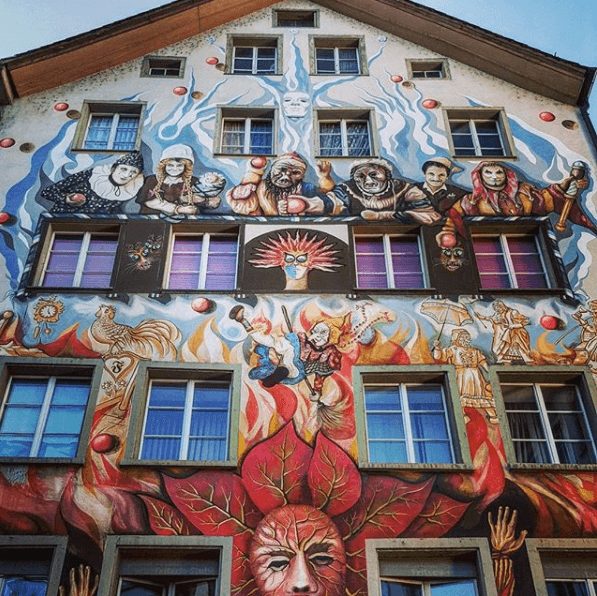
Once you’re properly fueled, it’s time to take a stroll around Altstadt. Luzern’s car-free Old Town dates back further than the 14th century in some parts and retains much of its original character. (Minus the Bubonic Plague, naturally.) Walking from the direction of the main train station, wander across the famous Kapellebrücke footbridge and marvel at the 17th Century paintings within. Then once you reach the other side, stroll up the promenade along the river until you arrive at the big steps at Unter den Egg. Take a right up to the steps and you’ll find yourself in the heart of old town. Enjoy the colourfully muraled buildings and allow yourself to get lost wandering up a side street or two!


Laid back Afternoons in Lucerne

Luzern has some surprisingly great vintage shopping; so don’t forget to pop into a second-hand boutique or two! Annakonda offers fun Rockabilly reproductions along with classic vintage wear, and Unikitam will help you furnish your retro dream home!

The coolest shopping destination in Luzern isn’t a shop though… it’s an abandoned swimming pool! Neubad hosts a regular flea market known as Strandgut, and it is packed with vintage and handmade wares.  There’s even a bistro if you get a bit peckish.

After stuffing your reusable shopping bag full of vintage treasures, you’ve got a choice as to how you take in even more stunning vistas. If you’re feeling energetic and the weather is clear, stroll uphill to check out Museggmauer, a massive 12th-century fortification overlooking the entire city of Luzern and so by default, the Alps beyond! There’s an amazing giant clock tower (hey, it’s Switzerland!) and ramparts you can walk along to get an even better view.

If it’s raining or you want to take it slow, check out one of Luzern’s coolest Victorian curiosities, the Bourbaki Panorama, an enormous (we’re talking 112 meters long by 10 meters tall) circular painting immortalizing the German-French War. If you’re feeling a bit cultural, pop next door to the Bourbaki Cinema, a cool art house movie theatre with a bistro.

Luzern Lucerne Switzerland city guide: things to do in lucerne

Quirky Lucerne. Do you love street art too? Picture: Alyssa, theoffbeatadventuress.com


Nightlife in Lucerne

After dark is where Luzern will always surprise you. Into indie rock? You need to catch a gig at the Südpol music hall! Seedy bars with cheap drinks, local colour and dancing more your thing? You never know what will happen when you head over to Madeline. The clientele is a departure from the buttoned-up crowd you’d expect on the Swiss bar scene, with a refreshing mix of the young and arty and the old and random. Go there to dance until the wee hours and you will definitely meet a few new friends.

With so much to do in Luzern, it’s natural you’d want to extend your stay a bit, so what are some excellent day trips from Luzern?


Booking.com


Day Trips From Lucerne

Lido Badi Luzern

Only a 15-minute boat ride from Luzern city centre, it’s not quite a day trip, but visiting the Lido Badi (that’s the Swiss version of “the beach” for the uninitiated), will give you a little taste of what the Swiss do to unwind. And who wouldn’t want to splash around in the cool, unbelievably blue waters of the Vierwaldstattersee (dare you to try and say it out-loud, that’s the real name of “Lake Luzern” and right about now you’re appreciating that most of the locals speak impeccable English, right?) in the shadow of the mighty Mt. Pilatus! The Swiss Museum of Transit is right nearby if you’d like to extend your visit.


Mount Rigi

Sure, everyone’s heard of Pilatus, but, “The Rigi”, as it is simply known to the Swiss is a hidden gem that’s just as beautiful and nowhere near as crowded. And get this—you get an amazing view of Pilatus from the top of Mt. Rigi, without the throngs of tourists! There’s even a day spa up there!

How do you get to this magical mountain? There are many ways and you’ll want to consult with the incredibly helpful tourist office in Luzern Main Train Station before you set off, but my favourite way is by boat and cable car! Boats depart regularly from the docks directly across the street from the main train station, and travelling in this fashion makes for an incredibly picturesque day trip that you’ll never forget. Boat rides can take anywhere from 30-45 minutes one way depending on the route you take, and the cable car about 20.

Best day trips from Lucerne-Mount rigi . Süectacular boat ride and then cog wheel train to go up Rigi. if you have a Tageskarte, this whole ride is for free.

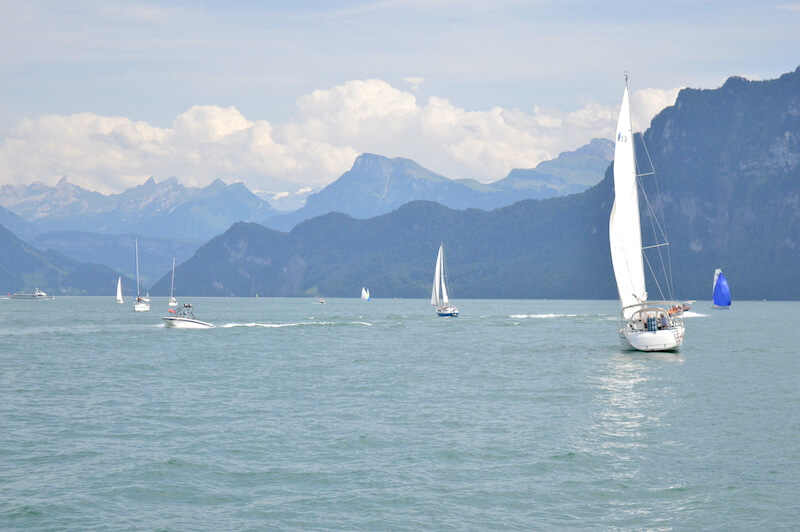
Take in spectacular views during your boat ride on your day trip from Lucerne to Mt.Rigi . Picture : Menorca-europediaries.com

Lauterbrunnen Valley

If Luzern in the gateway to the Alps, the Lauterbrunnen Valley is their living room. This is where you’ll experience that hardcore, “The Hills Are Alive”, level euphoria you were no doubt picturing when you planned a trip to Switzerland. Dubbed the “Valley of 72 Waterfalls”, it is said to be Tolkien’s inspiration for Rivendell and once you step off of the train it will be easy to see why.

Best day trips in Switzerland- Schillthorn and Lauterbrunnen . Check out guide to Lucerne and day trip ideas at europediaries.com

The Thrill Walk at Birg, below Schillthorn – the peak famous for the James bond movie ‘On Her Majesty’s Secret Service’. It is easy to get to Schillthorn from Lauterbrunnen and you can combine the two places for a complete day trip too. Picture by Menorca-europediaries.com

While in Lauterbrunnen, visit the spectacular Trummelbach and Staubbach Waterfalls.You will already catch a glimpse of some of the waterfalls from the train itself, but to get to Trummelbach Falls, you will need to walk a bit further or alternatively, get on an 8-minute bus ride. By paying an entry fee of 11 CHF for adults, you will be able to see the 10 glacial falls inside and hear the water thundering across the rocks in the summer.


The Lauterbrunnen Valley is already a two-hour train ride from Lucerne, so budget your time accordingly. It is rather closer to Interlaken.  I think this area is well worth extending beyond day trip territory to spend a night or two. Find yourself a cosy little ski chalet and prepare to soak up all the natural beauty that Switzerland has to offer!


If you are in the mood of a James Bond experience though, you can get on a short bus ride to Stechelberg and then take the cable car up to Schillthorn via Gimmelwald, Murren and Birg – all beautiful towns themselves. Always ask about the visibility while you are buying cable car tickets for any peak – that way you can decide if you’d really want to go all the way up on a cloudy day with low visibility or rather get off one stop earlier to enjoy the activities and views.


Kleine Scheidegg and Jungfraujoch

You could happily spend a day wandering the easily accessible and flat walking trails on the valley floor but to truly experience the otherworldly beauty of the Alps, you need to take the cog railway up to Kleine Scheidegg. First stop will be the charming car-free village of Wengen, a ski paradise that offers abundant walking trails, snowshoe, ski and sledge rental and the cosy Swiss Chalet experience you’ve been dying for. Stop off there for a hot chocolate before heading all the way up to Kleine Scheidegg where the Alps will unfold all around you in a panorama that will leave you breathless. Here you can hike, ski or sledge in the shadow of the Eiger, Munch and Jungfrau peaks. It’s worth a mention that this area offers four seasons of diversion and you do not need to be into winter sport to have an amazing experience there!

For those who really wish to have that full snow experience, from Kleine Scheidegg you can hop on a special train up to Jungfraujoch, the top of Europe. This glacier peak will offer you a mind-blowing 360-degree view of the Alps and plays hosts to a variety of indoor exhibits as well. Pack your long underwear, it is cold up there and the wind is fierce! Important note: The train that takes you up to Jungfraujoch is operated by a private company and if you are travelling on a Swiss pass you will not be covered. A second-class return ticket from Jungfraujoch to Lauterbrunnen will set you back 189 CHF. Some locals understandably class this as a rip-off, but for those of us who don’t grow up with such sweeping views in our backyards, perhaps it is worth it for a once in a lifetime experience? You can get discounted tickets if you are in possession of a day pass though.

Summer in switzerland Grindelwald

Eiger in summer. Image copyright: Jungfrau Tourism


Mount Titlis

Lucerne to Mt. Titlis is probably one of the two most common day trips for tourists, the other being Jungfrau. For Indian tourists, in particular, this place seems very attractive due to the life-size cutouts of Bollywood stars Shahrukh Khan and Kajol from the classic romantic movie- Dilwale Dulhania Le Jayenge. To get to Titlis from Lucerne, you need to take a 45-minute train ride to Engelberg, followed by a cable car. Once there, you can indulge in an array of activities. However, for those not interested in going up to the mountain peak, you can also hike, ski, visit a monastery and a small cheese factory around Engelberg itself.


Author Bio: This post is written by Alyssa Oh – an American expat, writer and teacher. She currently resides in Zürich Switzerland where she plots her misadventures and eats inhuman quantities of cheese. Catch her on her blog, The Offbeat Adventuress! 

Here are some activities you can check out:


Here are some other posts you might like:

5 reasons to visit Luzern Fasnacht (Carnival)

Cheese Factory, Chocolate Factory and Alphorn: Gruyere Day Trip 

Hike through art from Switzerland to Germany: 24 stops from Basel to Weil am Rhein

What is it like living in Switzerland: Thoughts on expat life

Unique things to do in Basel: Things locals get away with easily

Swiss locals share their favourite ski and hiking holiday spots


Get in touch if you’d like to share local insights or personal travel experiences on this blog.

Please do share the post with your travel-loving friends on Facebook, Twitter,Tumblr or save this post on Pinterest for easy reference later on!


How to plan your Europe trip and be a smart traveller

Practical tips for planning a trip to Europe for the first time

If you are travelling to Europe for the first time and wondering where to start or what to keep in mind while planning your Europe trip, here are some practical tips, coming from over six years of experience of living here. Some of you might only be planning a 2 week Europe trip, some thinking of a quick 10-day trip and yet others might have a month or more to explore multiple countries. But, irrespective of that, here are some things that I feel might benefit you, once you have decided where to go and are finalizing your itineraries and logistics. If you need help with your plan or have any questions, feel free to check out my Europe trip planner and get in touch. Here are 7 tips to help you plan a trip to Europe:


Don’t Rush

Planning your first trip might get overwhelming. I would suggest not cramming up too many activities for every day of your trip, but leaving time for yourself to be flexible. It would be a good idea to keep some buffer time on hand for locating your accommodation, resting after the tiring journey, etc. So, don’t make a lot of fixed plans for your first and last day, especially if you have a long flight to take. You never know what unprecedented delays you might face.


 Staying connected during your Europe trip

I have realized that a lot of time can be spent in simply looking for things like a new sim card, water etc when arriving at your destination. It would be better to find out these things beforehand and in fact, even order things like sim cards, travel passes at your hotel. For instance, there are a few sim cards that offer data plans all across Europe. If you order one of these, for example, MTX, they will deliver it to you for free and you can load it up online. Recently, the roaming charges on networks across EU have been removed. So, even if you buy a sim from your first destination, you should have a certain amount of data usage for several other countries.  Of course, you will find free wifi in a lot of cafes, restaurants, public places and some railway stations too.

Read: Travel accessories I found most useful                                                                                                         

 Also: Wifi on the road: My Webspot


 Do your research

Find out things like what currency is used in your destinations, what food is recommended, if tap water is drinkable or not and what to ask for if you’d like to buy a bottle of water from the local supermarkets. In Germany and Switzerland, all tap water (and even fountain water in Switzerland) is drinkable and in restaurants or supermarkets, ask for wasser ‘mit kohlensaure’ if you’d like it sparkling or ‘ohne kohlensaure’ for a bottle of still.

Read: Vegetarian food in 25 countries across Europe 

Also:  Cheapest ways to travel in Germany 


Get familiar with language basics

It is helpful to get acquainted with at least a few basic words in the language of the country you are planning to visit. It not only eases your conversations but also often brings a smile to strangers you approach for help. Apps like Duolingo or Babble, for instance, could be helpful.

Read: Here are some tips on visiting Paris when you don’t speak French

Also:   Some Swiss-German words to help you out in Switzerland 


Staying Organized

With all your tours, bookings and plans, it can get difficult to manage all the information. I like using trip planning apps that can synchronize all your travel information and also make it easy to share your itinerary with your family/friends. Tripit is one such app that I have been using for a few years now and I’ve also tried Tripcipe for planning itineraries. A new app I came across recently is Ya3, although I haven’t got the opportunity to try it out as yet. I also recommend noting down important phone numbers, hotel addresses etc on paper, so in case your phone is not available, you would still have the info essential to get around/reach your destination/get in touch with your friends.

Making a Travel journal or travel diary - Copyright europediaries.com

Having a personal travel journal can be a fun way to record memories! Picture before my trip to the Cheese factory in Switzerland


Info and Maps

If in doubt or in need of suggestions, remember you can walk over to any tourist information office and ask for maps, info etc. In most European cities, the tourist info office is at or near the Central Railway Station. Before your journey though, it would be a good idea to download offline maps, so you can still get around even if you don’t have internet access.


Meeting Locals

Visiting a new place is all the more fun and enriching if you get to meet some locals and learn more about the place from them. Some ways you could do is via Couchsurfing – whether writing on the forums in advance requesting meetups/insider tips or using their Hangout App. If you stay in a shared Airbnb flat or Couchsurf, you will likely have great company. There are also ways to explore a city like a local, by booking customised private tours through sites like City Unscripted. Another option would be to visit a local’s apartment for a meal- through sites like VizEat!

Read: Exploring Venice like a local with Wanderjack


Most importantly, have fun, stay safe and enjoy your trip.

And if you are travelling or living solo, here are my thoughts on the magic of being alone and happy, not lonely.

Need help planning your Europe trip or looking for suggestions? Let me help you out! Fill out the form on my Europe trip planner or chat with me directly! 

7 Practical Tips for planning your first Europe trip- Guide by europediaries.com

Save me on Pinterest for easy future reference

If you like this post, you might also find these useful:

  1. Budget travel: Travelling to 4 cities in 3 countries for 110 Euros
  2. How to plan a weekend getaway to Munich
  3. Where to go in Switzerland in winters
  4.  10 Tips to enjoy for free in Cologne


Guide to alpine rollercoaster in switzerland: ticino, monte tamaro

Alpine mountain coaster in Switzerland: Monte Tamaro

Roller coaster through the Swiss mountains! That was the best introduction I could have had to my now favourite part of Switzerland: sunny Ticino, the southernmost canton combining the best of Swiss landscapes with Italian hospitality.

My first visit was a day trip with friends – many late summers ago- and it remains one of the most fun, low-effort adventure days I’ve had in Switzerland. Since then, I have visited the region in every season and want to keep revisiting whenever I have a chance.

What Is Ticino, and Why Should It Be on Your Switzerland List?

If you are planning your first trip to Switzerland, chances are your list already has Jungfrau, Interlaken, Lucerne, and maybe Titlis on it. Those are wonderful, and they deserve their reputation. But there’s a whole region most first-time visitors never even hear about: Ticino, the Italian-speaking canton in the south.

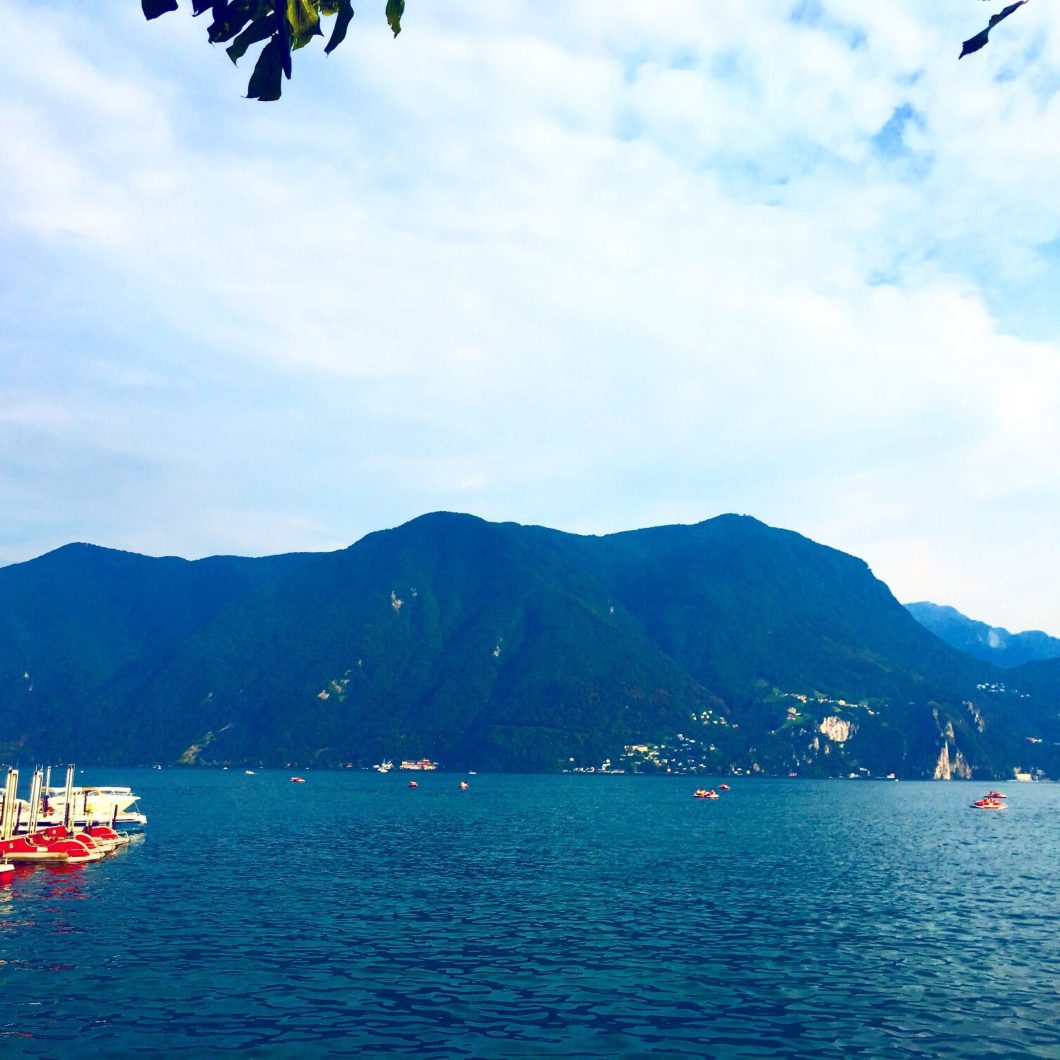
Ticino sits on the other side of the Alps from the rest of German-speaking Switzerland, and it feels like it. It’s sunnier, the architecture leans Italian, the food is closer to northern Italian cuisine than Swiss classics, and towns like Lugano and Locarno sit right on palm-lined lakes that look more like the Italian Riviera than what most people picture when they think “Switzerland.”

This is the region I recommend to people who tell me they want to see something beautiful but not on every other traveller’s itinerary. Monte Tamaro is a perfect example: a short trip from Lugano, easy to reach, and still relatively unknown outside Switzerland. If this is your first time hearing about Ticino, consider this your introduction, and consider Monte Tamaro your reason to add a day or two here.

Guide to Monte Tamaro: Roller coaster in Ticino, Switzerland
Save on Pinterest

Getting There: Rivera-Bironico

Monte Tamaro is reached by cable car from Rivera-Bironico, a short train ride south from Bellinzona, and just 15 km from Lugano. If you are based in Lugano, Locarno, or Bellinzona, this is barely more than a half-day trip.

It also works as a day trip from further north. I went from Basel. Here’s roughly what to expect depending on where you’re starting:

  • From Lugano / Locarno / Bellinzona: 15–45 minutes each way, an easy half-day outing
  • From Zurich: around 1h50–2h20 via the Gotthard Base Tunnel, comfortably doable as a day trip
  • From Lucerne: around 1h50 on the direct InterCity/EuroCity base-tunnel route, the same ease as Zurich (skip the scenic Gotthard Panorama Express for this one; that’s a 5.5-hour one-way journey best treated as its own trip, not a way to reach a day trip)
  • From Basel: around 2h45–3h each way, so a longer day (5.5–6 hours of round-trip travel), worth an early start. This is the route we took, and it’s genuinely doable if you leave in the morning

The Treno Gottardo is worth knowing about specifically. It runs hourly and connects Basel, Lucerne, and Zurich directly to Bellinzona and Locarno along the historic Gotthard route, so it covers most of these origin points on one line.

The valley station is a short walk from Rivera-Bironico station, and there’s a car park if you’re driving (A2 motorway, Rivera exit).

If you’d rather stay overnight in Ticino instead of doing the long day trip, browse hotels in the area here.

The Cable Car Up

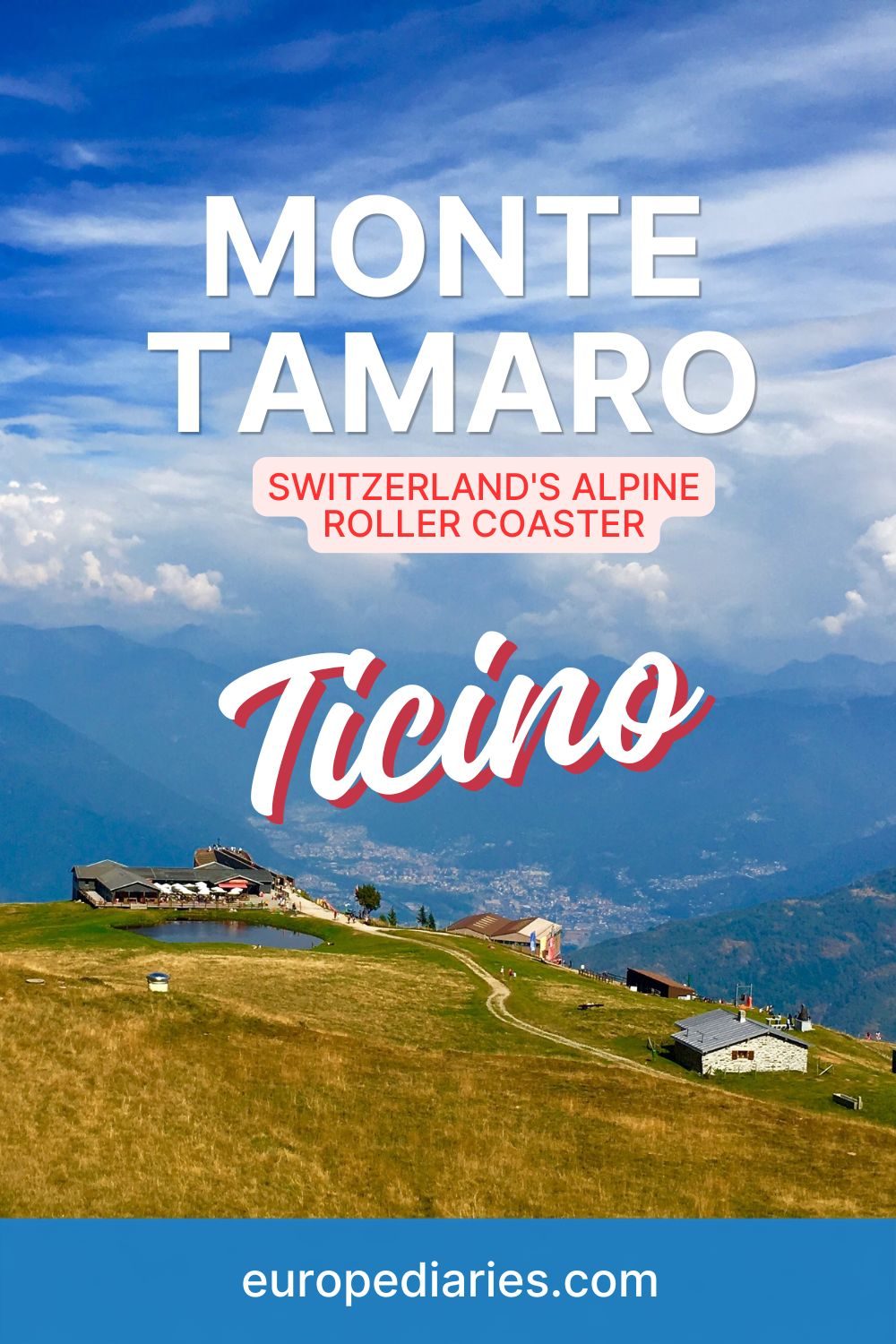
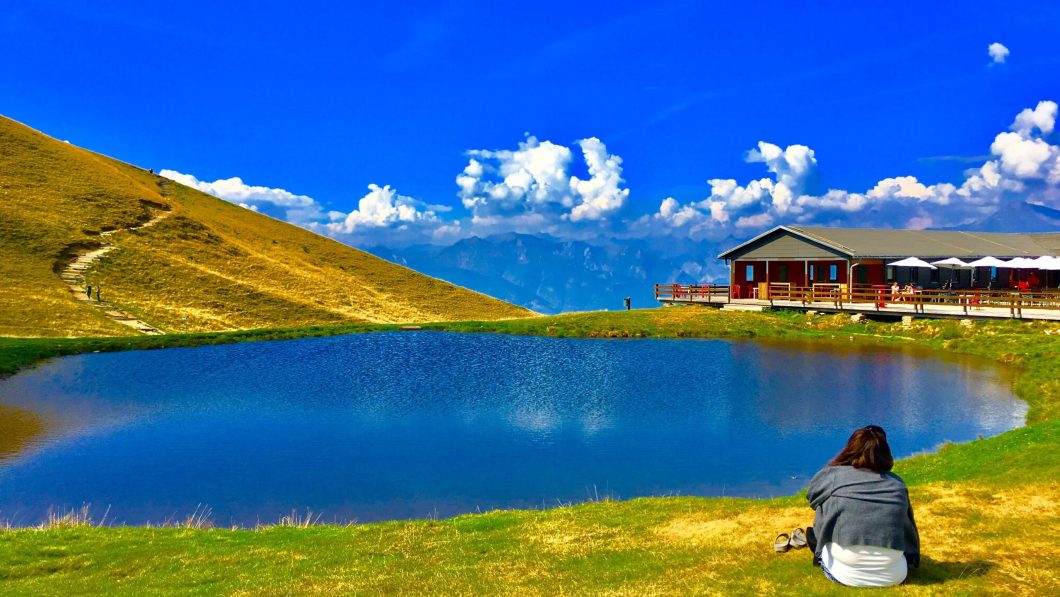
The cable car ride to Alpe Foppa takes about 10 minutes, climbing to 1,530 metres. The panorama cabin means you get uninterrupted views the whole way up: Bellinzona, Lake Lugano, and on a clear day, Lake Maggiore, opening up beneath you. There’s a small lake right at Alpe Foppa, just below the restaurant terrace, a quiet spot to sit for a few minutes before the adventure activities start. It’s a nice contrast to everything that comes next.

Fare adults: CHF 20.80 instead of CHF 26.00/CHF 27.20 instead of CHF 34.00

Fare children: CHF 10.40 instead of CHF 13.00/CHF 13.60 instead of CHF 17.00

Alpe Foppa lake and restaurant, Monte Tamaro, Switzerland. Copyright: europediaries.com
Small, beautiful lake on Monte Tamaro. Copyright: europediaries.com

The Chapel at the Top: Santa Maria degli Angeli

Before the adrenaline part of the day, take a few minutes at the Chiesa di Santa Maria degli Angeli, the chapel designed by Ticino architect Mario Botta right at Alpe Foppa. It’s an unusual, striking building, not what you’d expect to find at a mountain adventure park, and it’s a nice quiet contrast to what comes next.

The Main Event: Coaster Bob

This is the reason most people come up here, and it’s genuinely as fun as it looks.

Ride specs:

  • Length: 800 metres
  • Altitude drop: 80 metres
  • Top speed: 50 km/h
  • Two-seater carts with individual manual brakes
  • Ages: open to children 3+; kids under 8 must ride with someone 8+ and at least 1.35m tall

You control your own speed with a hand brake, which makes it feel more like an actual toboggan run than a fixed-speed ride. You can go as fast or as cautiously as you want on the banked curves. The views over the Ticino pre-Alps the whole way down are the part photos genuinely don’t capture.

Pricing:

  • 1 run: CHF 5
  • 5 runs: CHF 22
  • 10 runs: CHF 42
  • Cable car ticket to Alpe Foppa is separate and required

Book Monte Tamaro cable car + Coaster Bob combo tickets via GetYourGuide →

Other Things to Do Up There

The Coaster Bob is the headline act, but Alpe Foppa also has:

  • Adventure Park: treetop rope courses for various skill levels
  • Zip line / Flying Fox: across the valley
  • Paragliding: tandem flights, if you want the view from higher up still (also bookable as a gift experience via Tinggly, use code EUROPEDIARIES for a discount)
  • Hiking: the Monte Tamaro–Monte Lema traverse is the standout route (about 5h30 one-way, with Lake Lugano on one side and Lake Maggiore on the other), or a shorter 2-hour version if you just hike up from Alpe Foppa and back. If you want to make a two-day trip of it, there’s a mountain hut on Monte Tamaro where you can stay overnight.
  • Mountain biking: 70 km of marked trails, with e-bike charging stations at Alpe Foppa

For Families: Splash & Spa Tamaro

If you are travelling with kids or just want to end the day differently, Splash & Spa Tamaro, a full water park and spa, sits right at the valley station in Rivera, a short walk from the cable car and open 365 days a year. A lot of families we saw at Monte Tamaro were clearly combining both in one day: adventure up top, water park to finish. Worth knowing about if you’re planning a longer visit.

Book Splash & Spa Tamaro tickets here →

End the Day in Lugano

Ride over to Lugano for a slow finish: a walk along the lake and, of course, ice cream. It’s a nice way to close an adventurous day, and Lugano is close enough (about 15 km) that it barely adds to the trip.

Practical Info: Getting Around Cheaply in 2026

SBB Sparbillett (Saver ticket): Up to 50% off regular point-to-point fares, available from 6 months before your travel date up to the day before. These are quota-limited, so book early for the best price, and note they are tied to a specific train (no changing your connection once booked). Check on sbb.ch.

SBB Spartageskarte (Saver Day Pass): If you are combining multiple stops in one day (say, Bellinzona in the morning, Monte Tamaro in the afternoon), this can work out cheaper than individual tickets. In 2026, prices start from CHF 29 with a Half Fare Card (Halbtax) or CHF 52 without, for unlimited travel across the whole GA network area: trains, buses, trams, and boats, for the day. Sometimes, you can also purchase 49 CHF day tickets from Interdiscount or Coop stores. These are only offered couple times a year, but worth keeping an eye out for.

RailAway discounts: If you book a Sparbillett, you may also be eligible for up to 50% off leisure attractions through RailAway, worth checking before you buy separate cable car tickets.

Ticino Ticket: If you’re staying overnight in Ticino, ask your accommodation about the Ticino Ticket, which offers discounted entry to Monte Tamaro and other regional attractions.

Season & hours (2026):

  • Low season: April 1 – June 30 & September 1 – November 8, 08:30–17:00
  • High season: July 1 – August 31, 08:30–18:00
  • New for 2026: winter weekend/school-holiday openings (late Dec–early Jan, mid–late Feb)

One thing worth checking before you go: confirm the current status of the cable car on montetamaro.ch the morning of your visit.

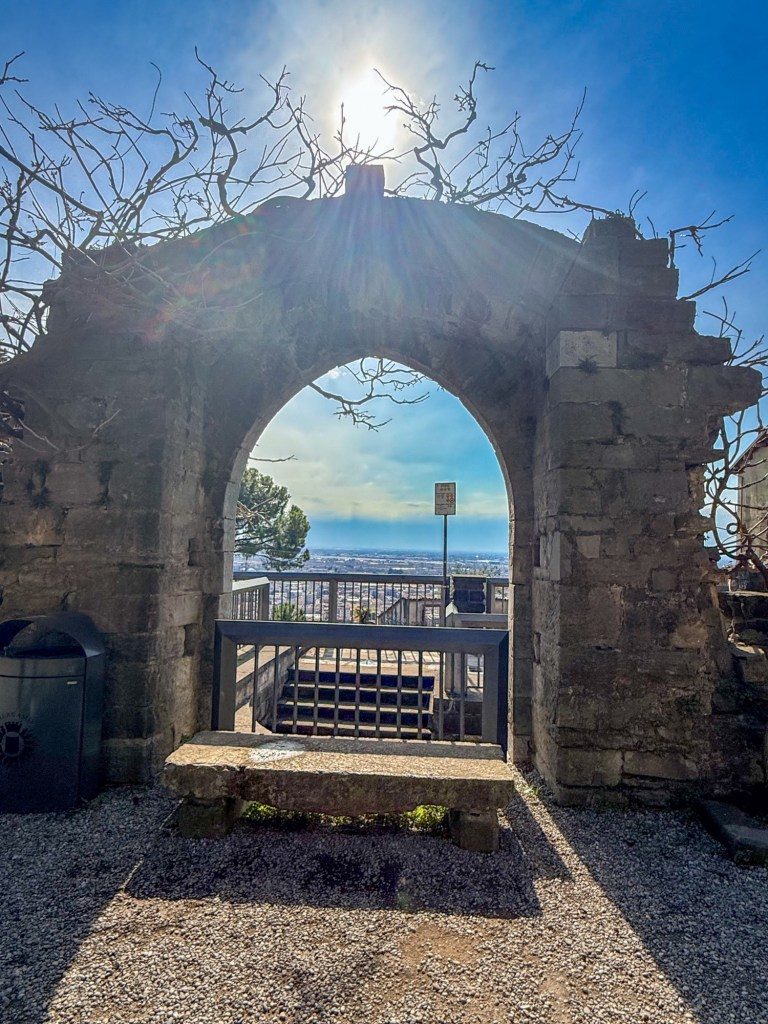
Stone archway view near Chiesa di Santa Maria degli Angeli, Monte Tamaro

Disclosure: This post contains affiliate links. If you book through them, I may earn a small commission at no extra cost to you.

people looking at high tower

Two Expats, One Language: Finding Our Footing in Germany with Preply

There is a quiet satisfaction that comes with living in a country whose language you have slowly, imperfectly, made your own. I have been in my current city in Germany for five years, after a long period in Switzerland. I built up my German gradually, through bureaucratic necessity, through daily life, through years of trying, attending various group classes, repeatedly failing, and trying again. And somewhere along the way, I took small steps towards a line. Now, when the immigration officer at Frankfurt Airport glances at my residence permit and switches to German, I switch with him. When I attend a doctor’s appointment, I follow the conversation, ask my questions, and leave understanding (most of) what was said. Last week at the supermarket, a tourist was stuck trying to explain something to the cashier. I stepped in and translated. That moment, small as it was, felt like something. This is what language actually gives you, I think. Not just the ability to communicate. A sense of belonging. The feeling of being part of a place, not just passing through it.

And yet, I know there is a long way to go. While I have been gaining confidence in my German in daily life, I want greater fluency in both personal and professional contexts, particularly in the pharma and healthcare sector where I work. I want to feel less like I am composing sentences and more like I am just speaking. So when I came across Preply, I decided to try it.

What struck me from the start was how personalised the experience felt. Preply matches you with a tutor based on your actual goals, availability, time zone, and learning preferences — not just your language level. I took a trial class: twenty-five or fifty structured minutes of actual conversation, not grammar drills. The platform also has built-in learning tools to track vocabulary, review lessons, and practice between sessions. It felt less like signing up for a course and more like finding the right person to learn with.

That last part matters more than it sounds. Because language learning, I have come to believe, is not really a solo endeavour. Progress takes two.

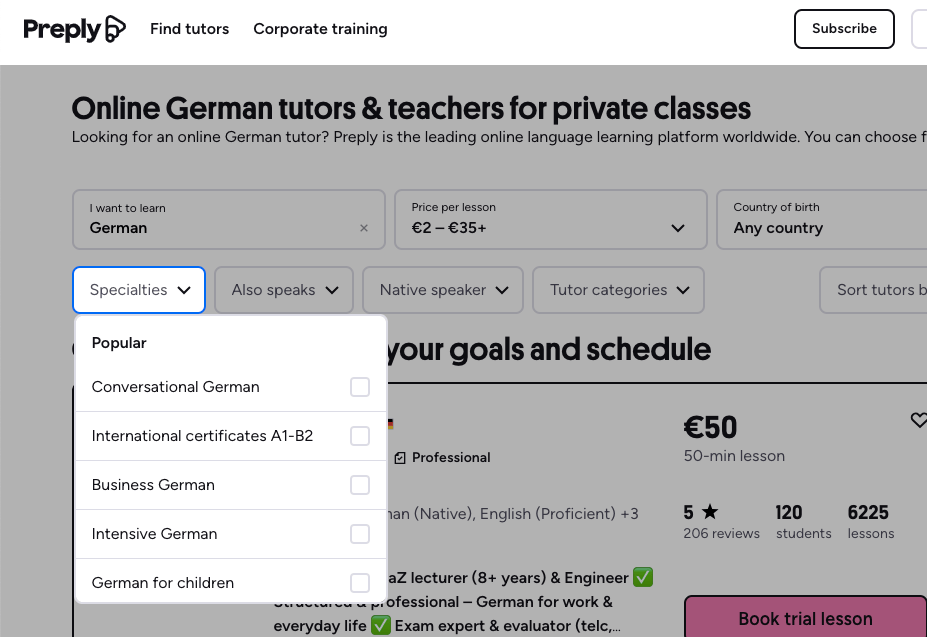
Learning German 1:1 - with Preply
Setting your preferences on Preply to find teachers on Preply to suit your language needs

I mentioned Preply to my friend Khushboo, a fellow expat living in Germany. She had her own reasons for trying it out, and they were considerably more urgent than mine.

Khushboo’s Story: Four Years In, Still Searching for the Click

Khushboo has lived in Germany for over four years. She passed her B1 exam. On paper, that should be enough. But as anyone who has sat a language exam knows, passing a test and holding a real conversation are two very different things.

“Even after passing B1, I still don’t feel confident enough. I notice my own mistakes while speaking, and that makes me hesitant. It affects my confidence.”

She had tried everything: language apps, online classes, in-person courses, exam preparation programmes. They worked, in the sense that she passed. But something was always missing.

“They helped me pass the exam, but not have a real conversation.”

What she wanted this time was different. No rigid curriculum, no shame for her level of German – Just a real person, a good rapport, and lessons that actually reflected her life: office situations, going to the doctor, the kind of German that comes up on a Tuesday afternoon, not in an exam hall.

Through Preply, she found exactly that. She was matched with a tutor whose teaching style suited her personality — someone warm, flexible, and genuinely interested in what Khushboo needed. Her tutor builds every session around her actual life, not a textbook.

Learn German effectively: Reviewing Preply
Practicing vocab between classes in Preply

“We choose different topics every time. It feels like a conversation, not a class.”

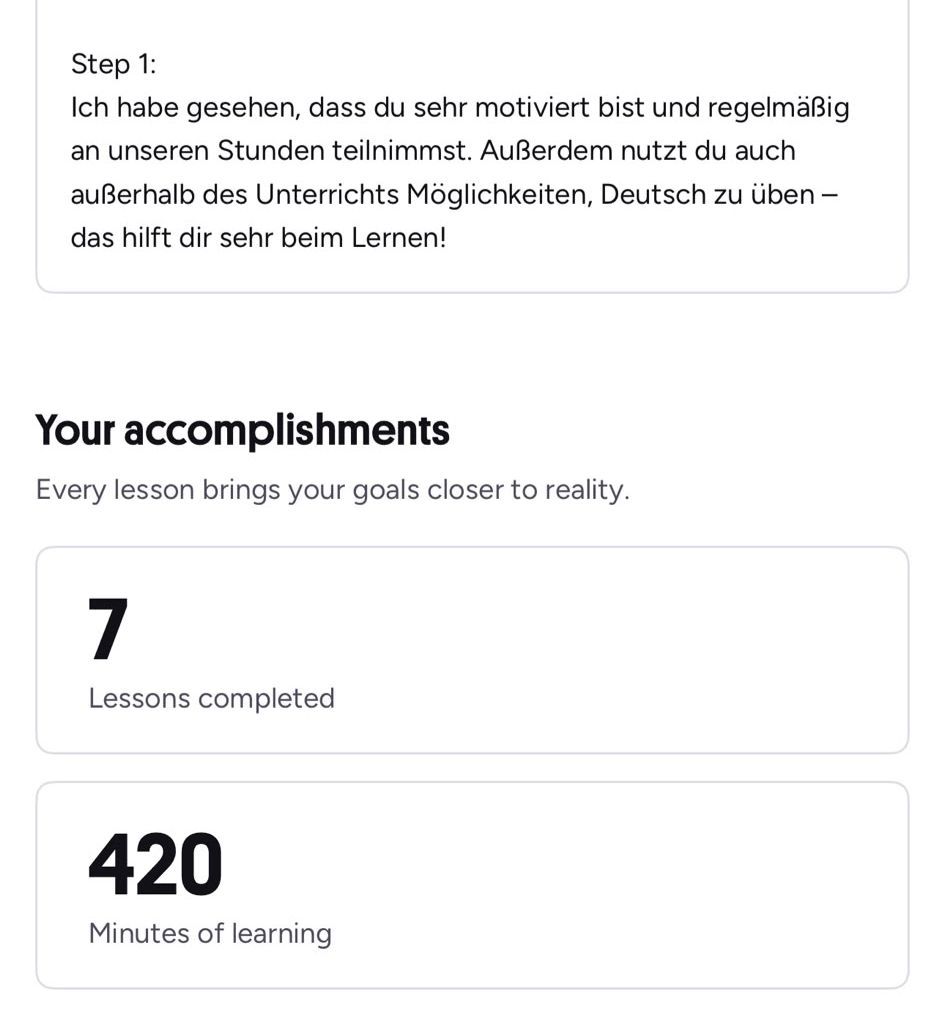
Her tutor has noticed her commitment too. In written feedback after a recent lesson, her tutor wrote: “I can see your strong motivation, and you attend our lessons regularly.” She added that Khushboo also practises German outside of class, which “really helps with learning.”

Fetting feedback from language teacher on Preply
Words of encouragement: Because motivation is vital for language learning and persistence

Seven lessons. 420 minutes. And then something happened that no exam result could have given her.

Khushboo had visited her doctor the month before. This time, in the same practice, something felt different. She was speaking more freely, reaching for words without freezing. The doctor noticed. Unprompted, she said:

“You are speaking really well this time. That’s impressive.”

That moment, unrehearsed, in the middle of an ordinary appointment, is exactly what Khushboo had been working towards. Not a certificate. Not a test score. Just a doctor in Germany telling her, in German, that she was getting somewhere.

Her goal now is bigger: job interviews in German. She wants to communicate naturally, to feel more integrated, to walk into a room and not feel like the language is working against her. Her Preply lessons are building toward that: practical, purposeful, and entirely on her terms.

When I ask her what fluency would actually feel like, she paints a picture. “I will feel fully at home in German when I can respond instantly, the way I do in my mother tongue. And I imagine it like this: sitting with a group of people, all of us just talking, laughing, enjoying the conversation in German. Right now it still feels like everything is bouncing around in my head. But everything takes time, and everything comes with practice.”

And her advice to anyone sitting on the fence?

“Now I go into lessons more confidently. Even if I make mistakes, I make them confidently because I know she will correct me. Unless you make mistakes and someone highlights them, you will keep repeating them. So my advice is: make more mistakes, and let someone correct you.”

Ready to try Preply?

Get 70% off your first lessons and find a tutor who fits your life, goals, and schedule.

Start Learning on Preply

What Progress Actually Looks Like

Listening to Khushboo, I find myself thinking about that supermarket moment – the tourist who was stuck, and the fact that I could help. Several times, I had been the one who was stuck with simple things and several times, also felt helpless in more complex situations.

Preply offers something that neither of us found in apps or exam classes, and that’s the key to truly retaining a language: a real person who adapts to you, notices your motivation, and chooses topics that align with your life, while also confirming your successes.

Progress, it turns out, rarely happens alone. It takes a tutor who pays attention, a friend who nudges you to try, a doctor who notices the difference, a stranger at a supermarket checkout who gives you the chance to show up for someone else. Progress takes two — sometimes more.

Khushboo has a job interview to prepare for. I have work meetings to start navigating in a new language. We are both, in our own ways, still finding our footing.

But we are finding it.

Ready to find your footing? Get 70% off your first Preply lessons and find a tutor who fits your life, your goals, and your schedule: Start learning on Preply

This is a sponsored post created in partnership with Preply. All opinions and experiences are genuine.

How i met my best friens while travelling

How I Met Two of My Best Friends While Travelling Solo – Traveller’s Tales

A stranger with the same name.

I was travelling solo to Madrid in October 2023 when I booked a day trip to Segovia and Toledo. It was a cloudy morning; the kind where you keep checking the sky, half-convinced it’s about to rain. It never did. Instead, the day turned out to be one of the most memorable of my life, though not for the reasons I expected.

At the meeting point, I noticed another solo traveller. We caught each other’s eye, but were both too shy to say anything. It was only when the tour guide arrived, and we started walking to the bus, that we ended up side by side and finally said hi.
We started chatting on the walk over, and somewhere between the meeting point and the bus, we discovered something that made us both laugh: we had the same name.

I’m Ioana, Romanian. She’s Ioanna, Greek. At the time, it felt like a funny coincidence, a good icebreaker. By the end of the day, it felt like something more.

Female solo travel can sometimes feel dauting but if you keep an open mind, you never know what wondrs await! Read about a lifelong friendship tale at europediaries.com
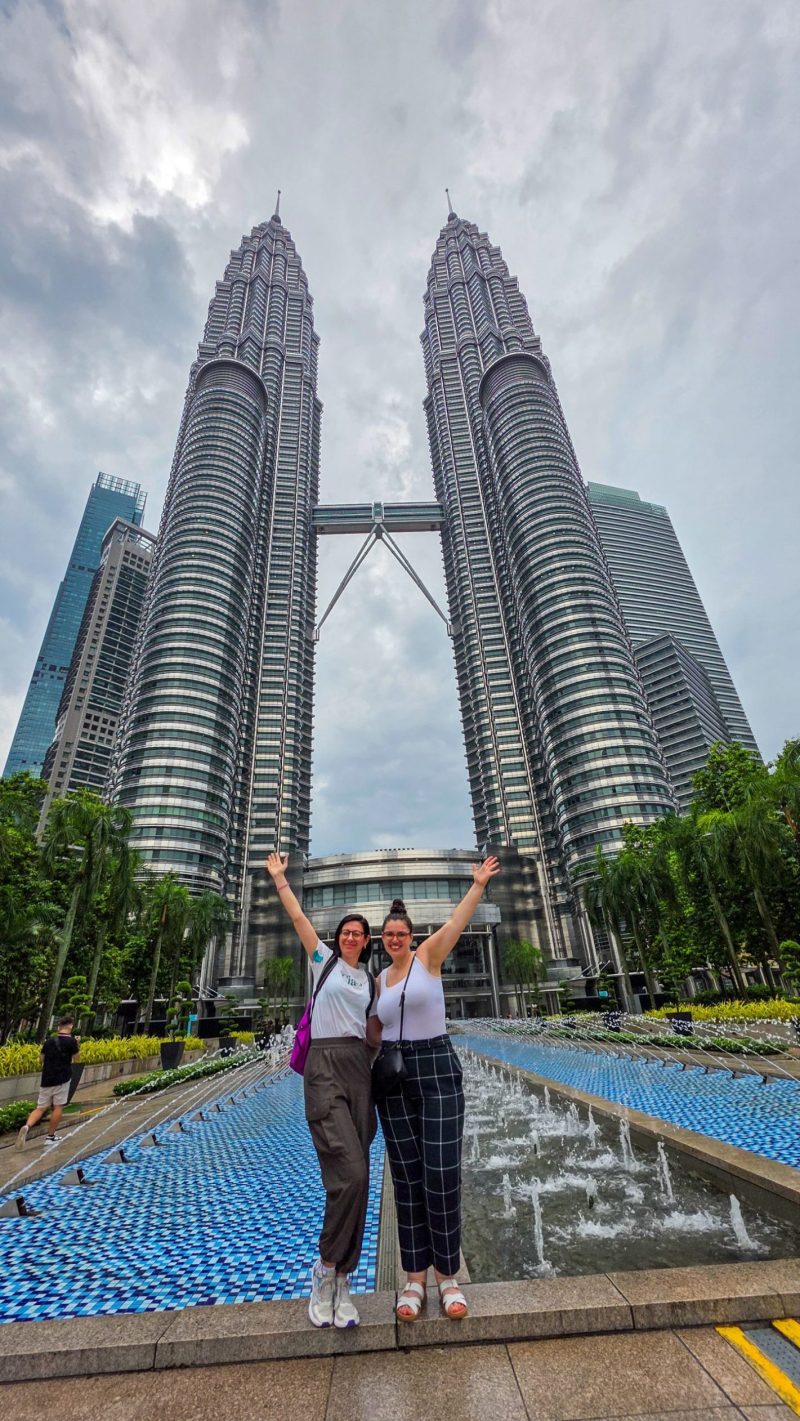
Ioanna and Ioana in Kuala Lumpur


Cobblestones, a castle, and coffee in the plaza

Despite the clouds, the atmosphere in both Segovia and Toledo was magical – cobblestone streets, the castle that inspired Disney, and the ancient Roman aqueduct still standing after two thousand years. We spent the whole day together, talking as we walked.
By the time we reached Toledo in the afternoon, we were both exhausted. When we had some free time in Plaza de Zocodover, we decided to grab coffee and something sweet. We made a good team from the start: she got the coffees, I queued for the treats — huesos de santo, a traditional Toledo sweet — since they were at different counters. We took everything to go and sat down on a bench in the plaza, and just as we settled in, the sun came out. It felt like the perfect ending to the day.

Sitting there with someone I had met only hours before, it felt completely natural — like catching up with an old friend. We talked about the day, about how glad we both were that we’d said hello, about our shared love of coffee. There was no awkwardness, no effort. It just flowed.

Why solo travel friendships form so fast

Something happens when you travel alone that doesn’t happen quite the same way at home. You have no social safety net, no familiar roles to play. You can just be yourself.
That day, I found myself opening up to Ioanna about something I hadn’t been fully honest about with people back home — how unhappy I was in my corporate job in New York, despite having “made it” on paper. She listened without judgment. She understood. I didn’t have to pretend or perform. I could just tell the truth.

I think that’s what accelerates the formation of friendships in solo travel. You are stripped of context — no mutual friends, no professional reputation to protect, no family expectations hovering in the background. And there’s a certain freedom in knowing that even if things didn’t click, you’d never have to see each other again. You stayed friends because you wanted to. Not because you had to.

We also only had one day, which made us both more intentional. We made the most of every hour.
What were the odds?

When we said goodbye that evening, we both knew we’d stay in touch. And then I remembered something: I already had a trip booked to Athens for December.
Ioanna lives in Athens.
At first, the shared name had felt like a coincidence. But this? This felt like something else entirely. What were the odds that I’d meet a Greek woman with almost the same name as me, just weeks before my first trip to Greece?
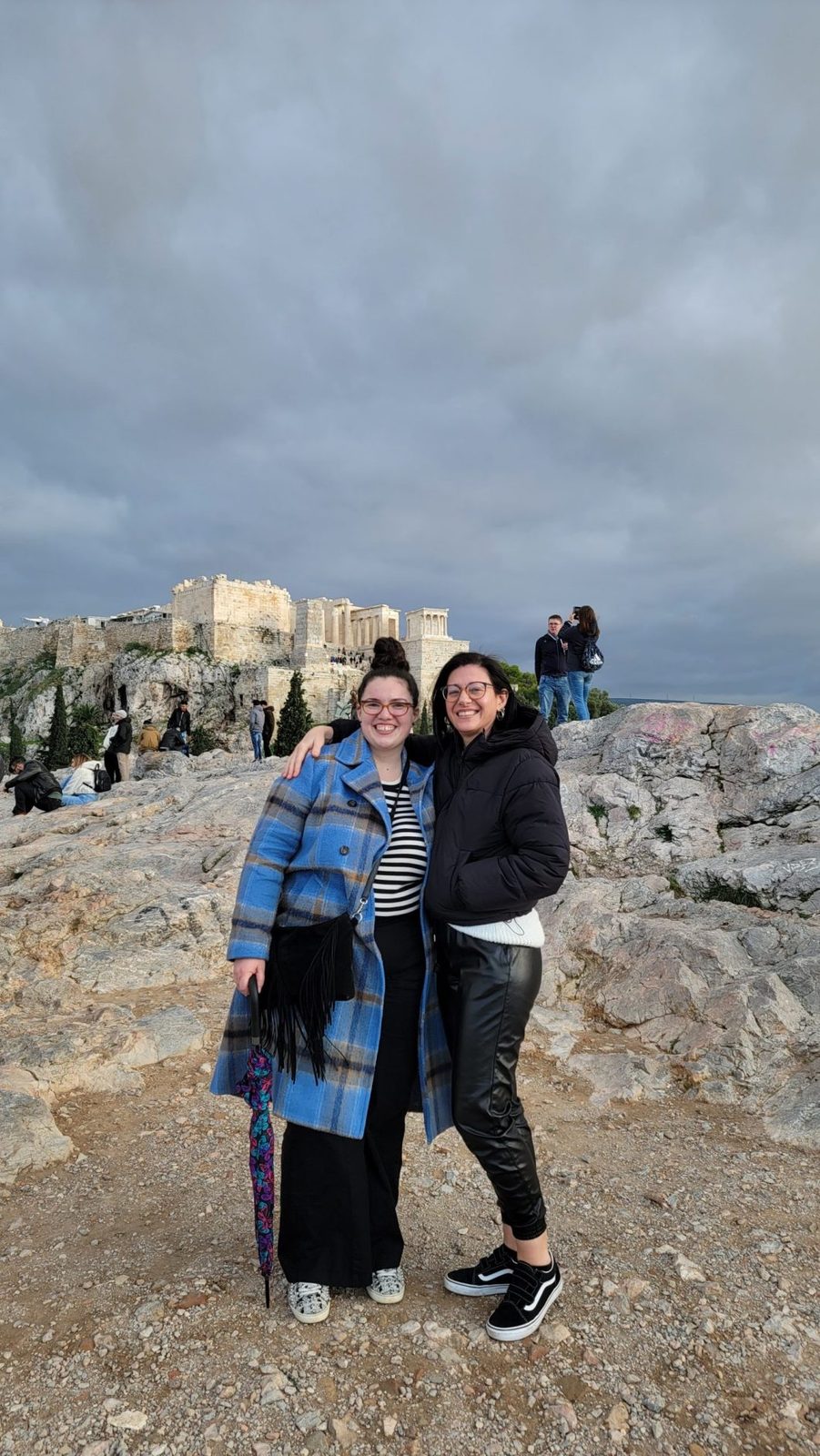
That December trip felt nothing like a normal holiday. It felt like visiting an old friend in her city. Ioanna and her friend Themis took me around central Athens on my first day — walking, explaining everything I was seeing, eating great food, drinking coffee (of course). It was effortless.

Meeting Themis

I clicked with Themis immediately. She has a degree in archaeology and dreams of becoming a tour guide in Athens, so she essentially gave me a private tour of the city — warm, generous, enthusiastic about every corner of it. Despite my being a complete stranger to her, she showed me the kind of hospitality that makes you feel you’ve known someone for years.
A month after we met, I was let go from my corporate job. I moved back to Romania and decided to go all in on my travel blog. Themis was also unhappy in her own corporate job in Athens at the time, and watching me take that leap — and seeing it work — gave her the push to start moving toward her own dream of becoming a tour guide.

It felt like I came into her life at exactly the right moment. Like these friendships weren’t just good luck, but something meant to happen.

Why solo travel is magical- it can lead you to friends you would have never met
Friendship during solo travel in Athens

Friendship across borders

It’s just two countries now — Romania and Greece. But distance has never felt like an obstacle. The three of us text almost every day on our WhatsApp group, do video calls every few weeks to properly catch up, and travel together a few times a year when we can.

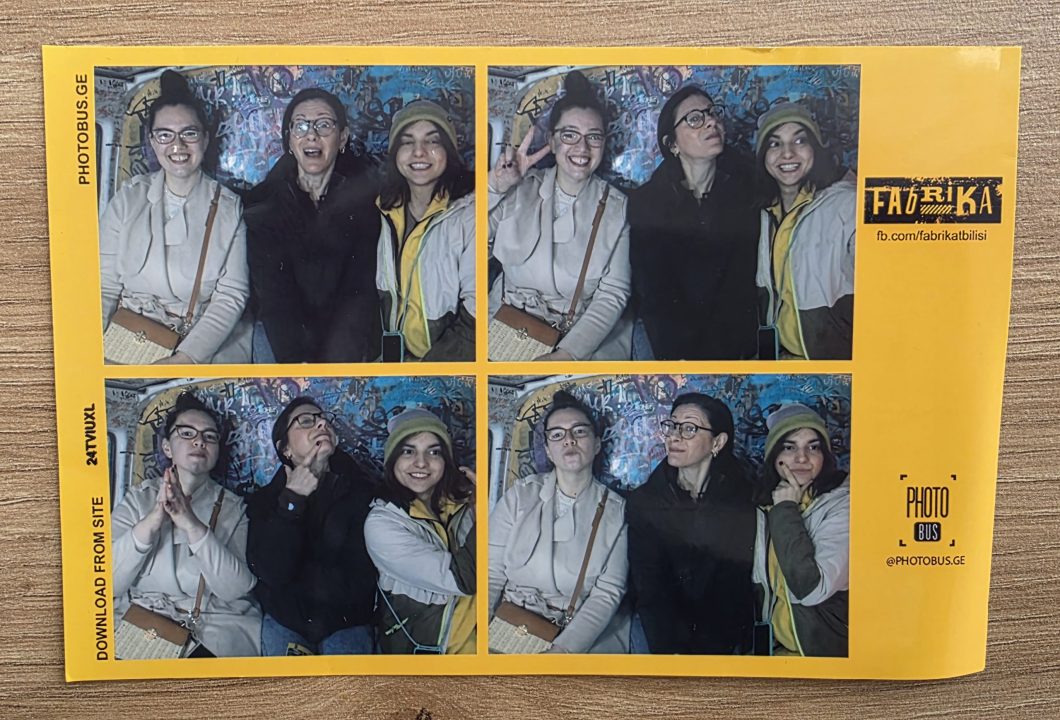
Since that day in Madrid, we’ve been to Kenya together, and most recently to Tbilisi — where we squeezed into a photobooth and took the kind of silly, joyful pictures that say everything about what a friendship is. We can be ridiculous together, but we can also sit with the hard things and support each other through them. We know what’s going on in each other’s lives. We show up.
We already planned trips to Georgia, Armenia, and Prague.

Female friendship blossomed during travel hits different. Read the full guest post on europediaries
Ioana, Ioanna, and Themis in Tbilisi

A note to anyone travelling solo
I almost didn’t say hi. We were both too shy at the meeting point, both waiting for the other one to make the first move. It was only the accident of walking side by side to the bus that made it happen.
I think about that sometimes. How close I came to spending that day alone.

If you are on the fence about solo travel, or you are mid-trip and keep almost starting a conversation but talking yourself out of it, don’t. Say hi. Sit down next to someone. Accept the exhaustion and grab coffee, anyway. You genuinely never know who you’ll meet.
Ioanna and Themis became the sisters I never had. And it all started with a cloudy morning, a shared name, and a bench in a plaza in Toledo.

Author bio: Ioana was born and raised in Romania, lived in NYC for 14 years, and has since returned to Romania. She began travelling solo at 30 and has now visited 30+ countries. Ioana is a full-time travel blogger and content creator at  Solo Travel in Style blog.She loves to share practical travel tips, itineraries, and recommendations for fellow travellers. Her story and insights have been featured in The Daily Express, Euronews, Bored Panda, Yahoo, MSN and more. Find her on Instagram.

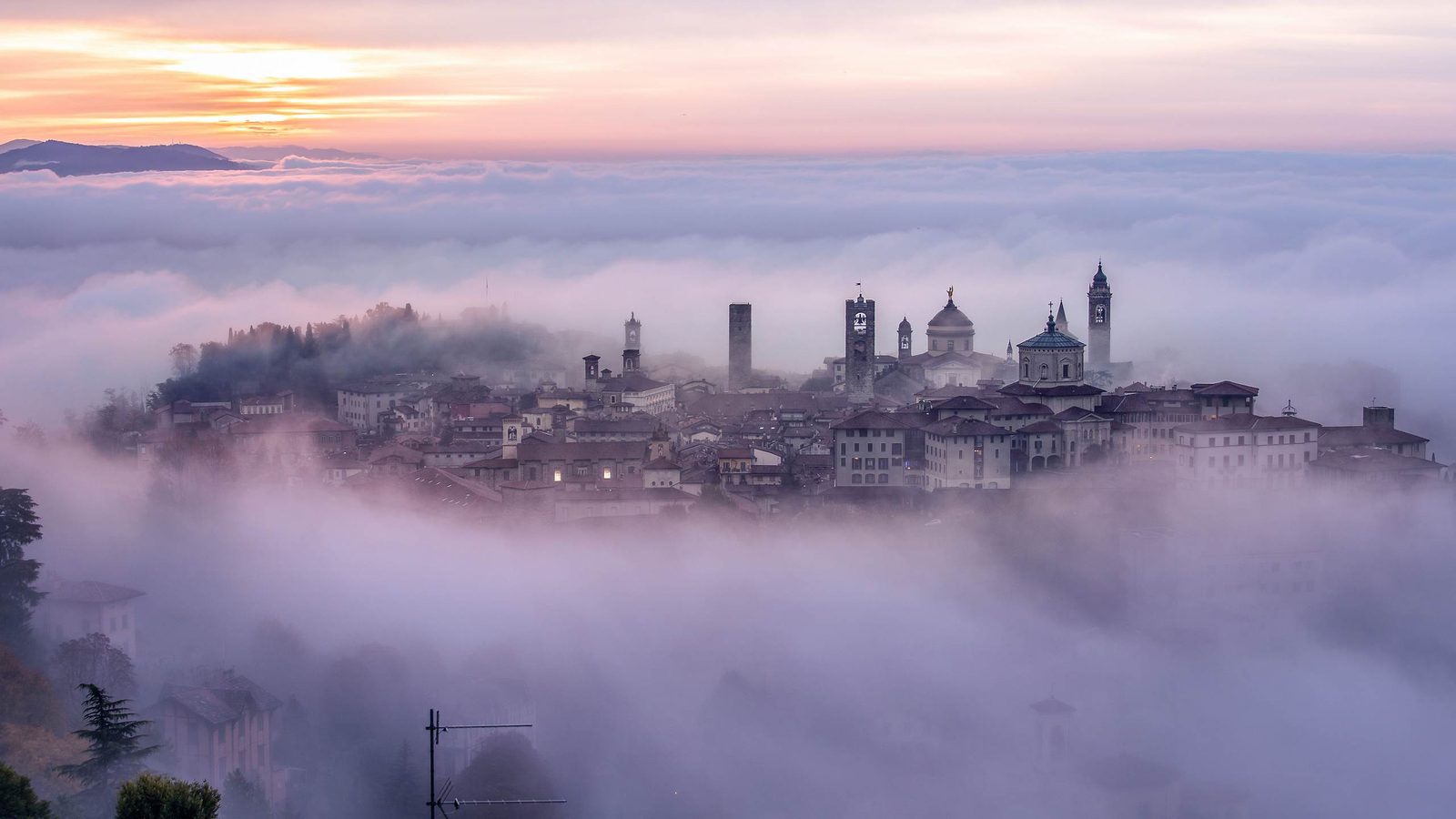
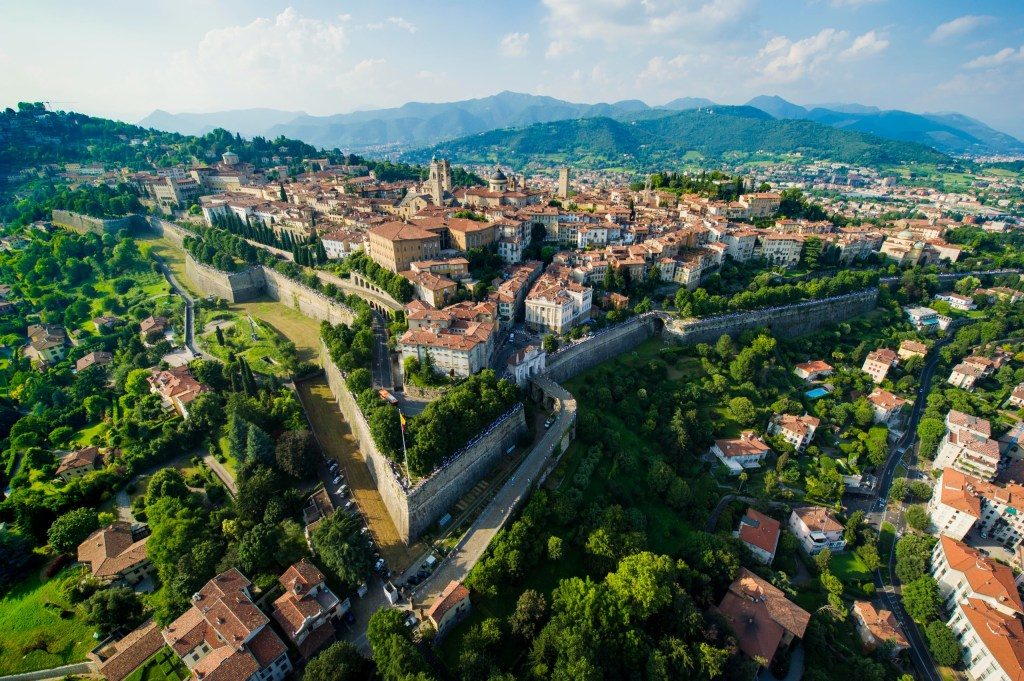
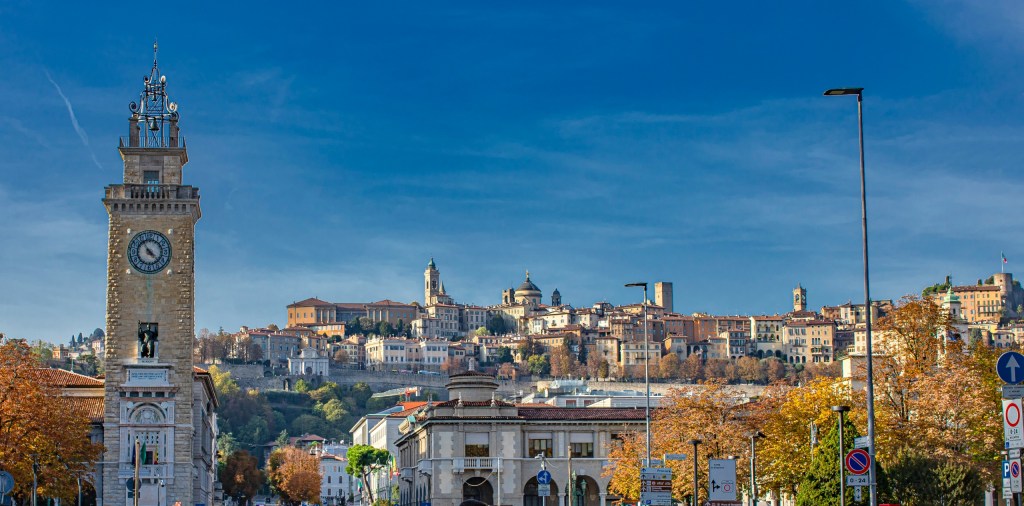
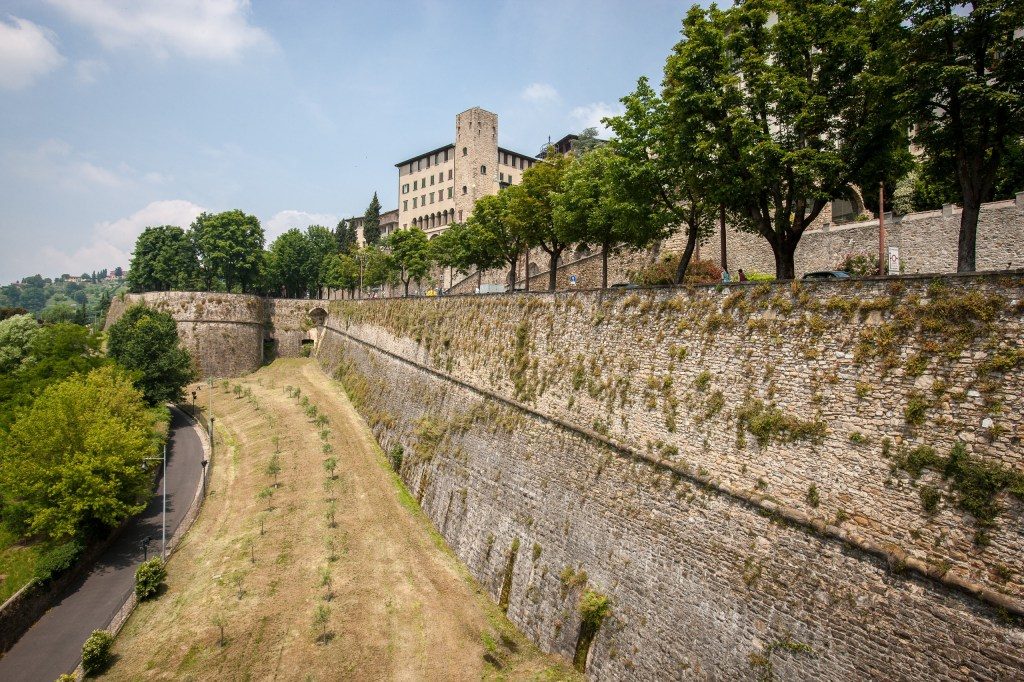
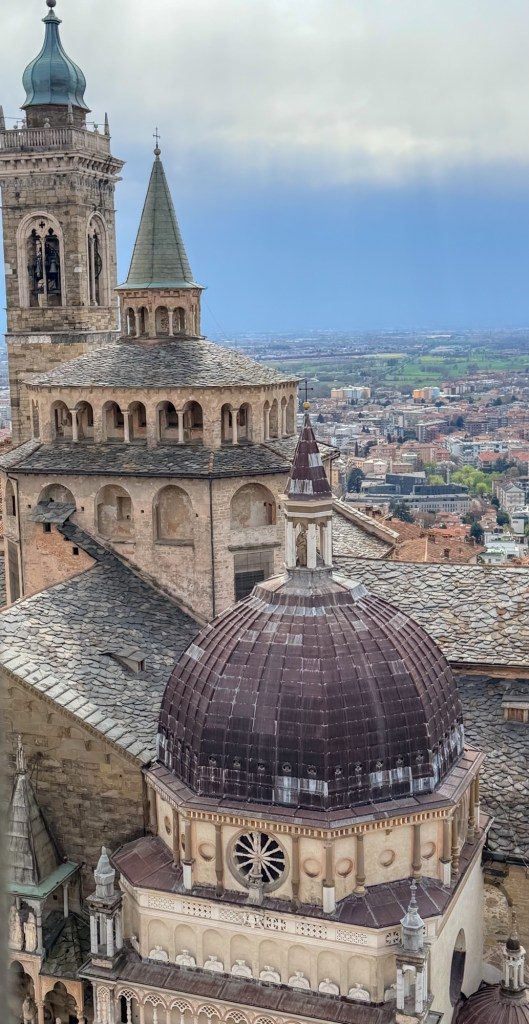
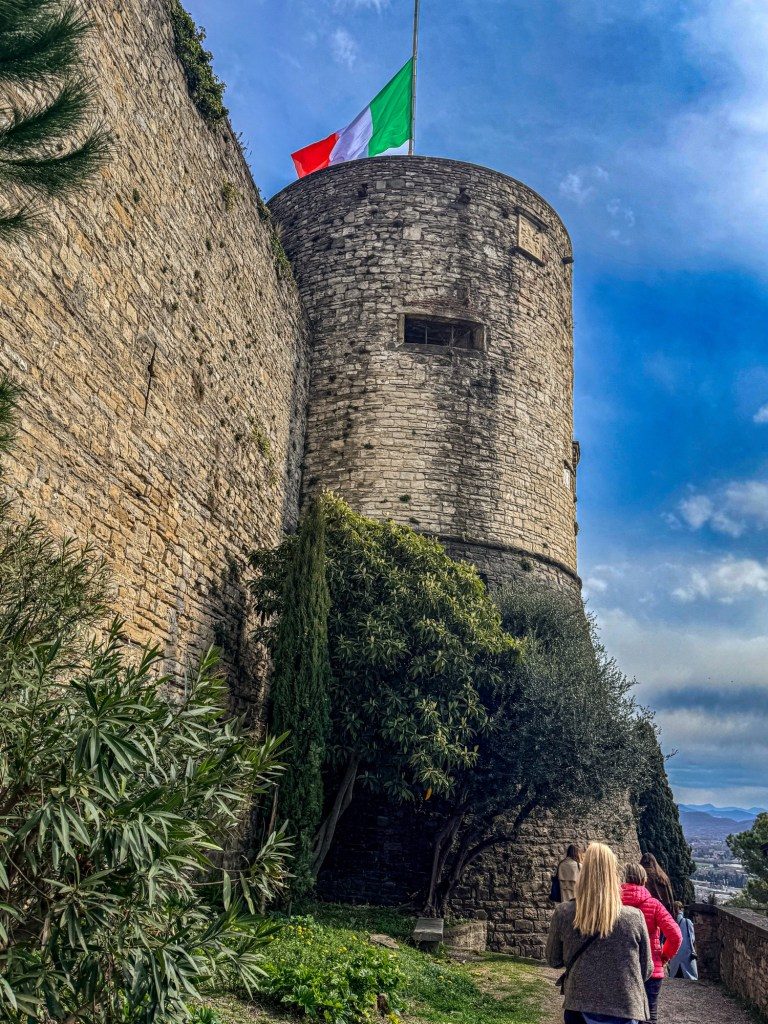
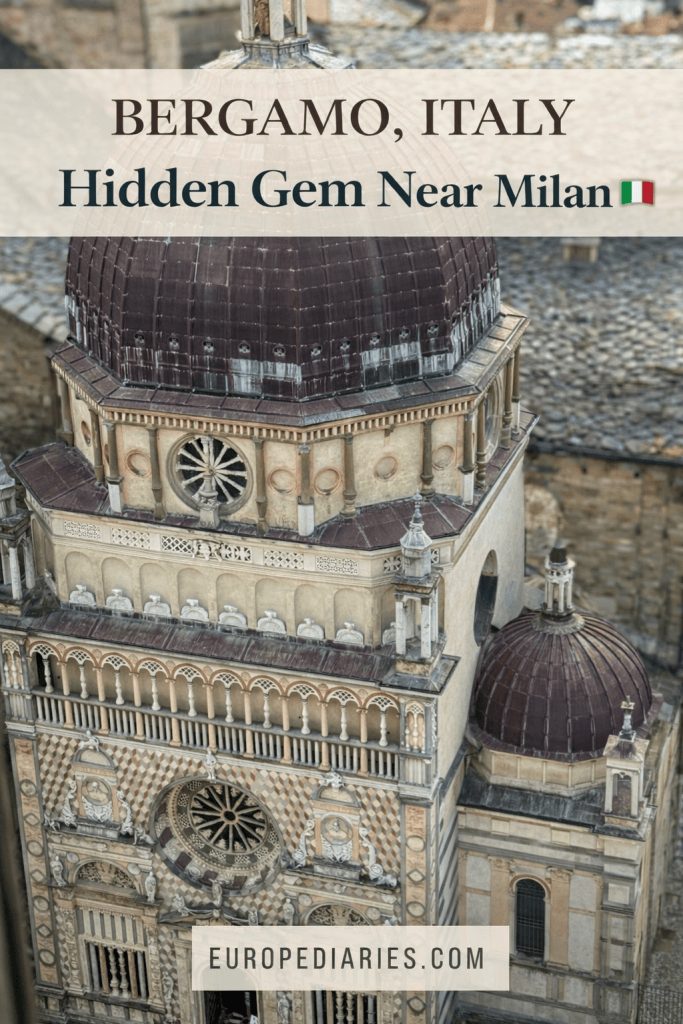
plan a northern italy road trip and drive from Milan to Venice via Bergamo, a beautiful historical city with preseved Venetian ofrtress walls.

Three hidden UNESCO fortress cities: A Northern Italy road trip from Milan to Venice

Dip into 400 years of culture, history, and food — this is the road trip from Milan to Venice that nobody tells you about.

You could cover Milan to Venice in under three hours by train or on the autostrada, overtaking lorries past a blur of service stations. Or you could take a road trip that curves east through hilltop fortress cities, along the southern shore of Lake Garda, and deep into a corner of Italy that most travellers drive straight past without knowing it exists.

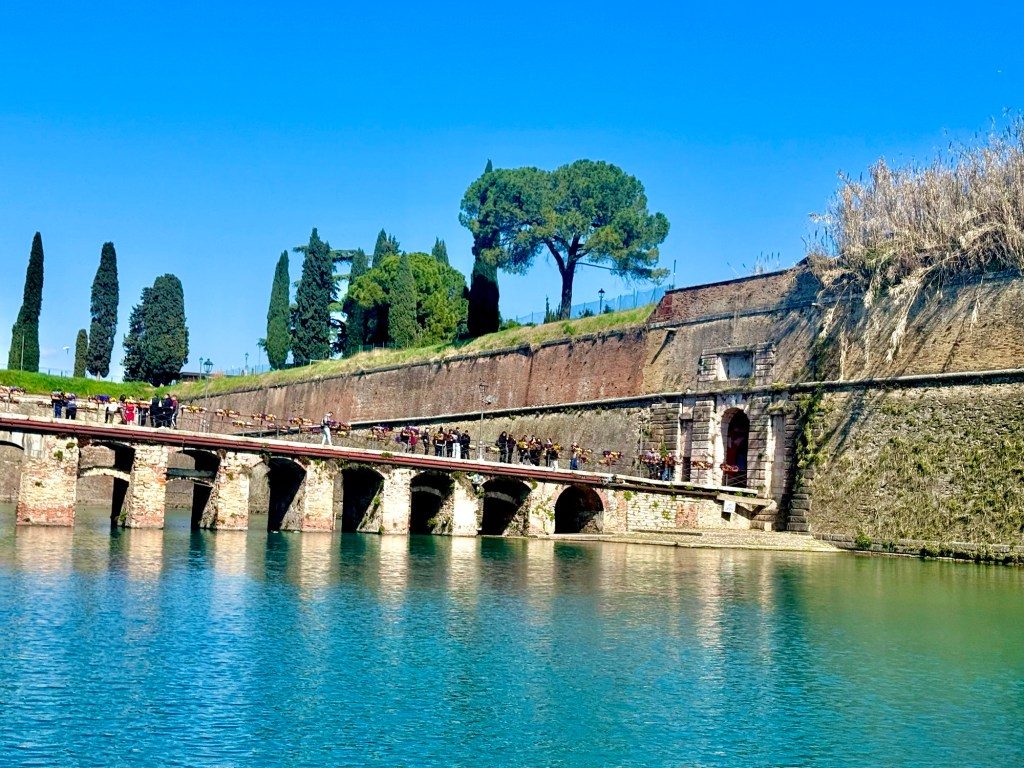
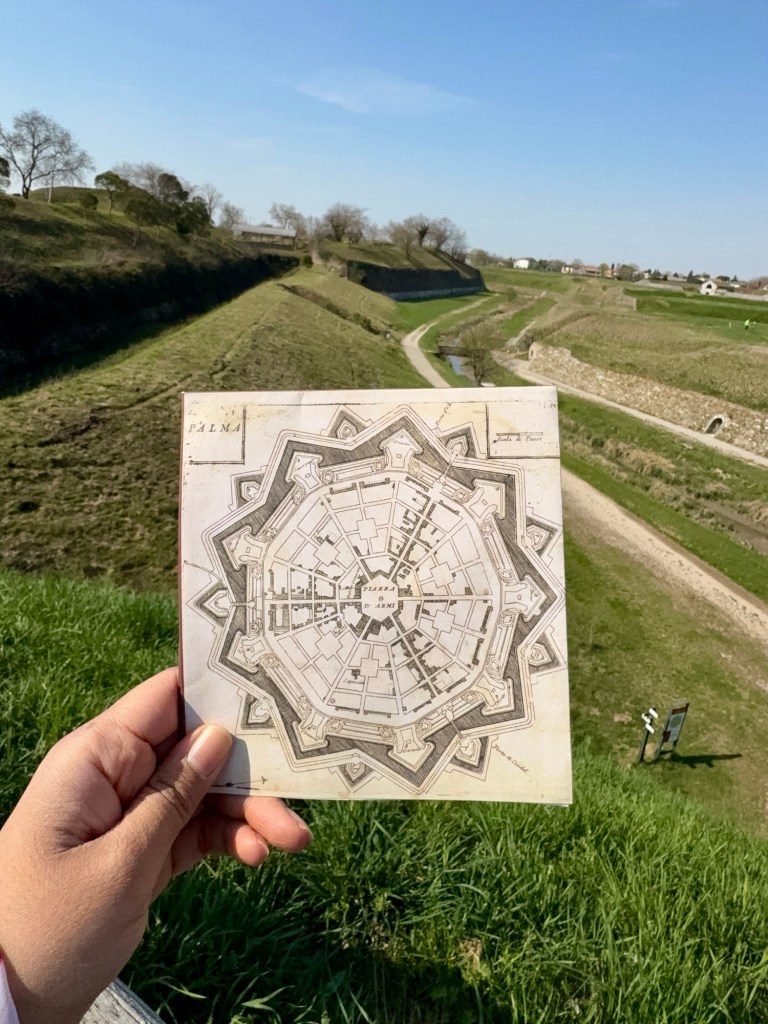
This is a road trip through the Venetian Works of Defence: three cities that make up a UNESCO World Heritage Site. The journey will take you through time to the Republic of Venice, which built, fortified, and held cities for five centuries across Northern Italy, Croatia, and Montenegro. Bergamo in the west, with its six kilometres of Renaissance walls crowning a hilltop medieval city, deserves your undivided attention. Peschiera del Garda, where a pentagon-shaped Venetian fortress rises straight from the turquoise water of Italy’s largest lake, is a treat for the senses. The most surprising town, Palmanova in the east, is a nine-pointed star city drawn on paper in 1593 and built exactly as designed, unchanged in 430 years.

Each city is extraordinary in its own way. Together, as a road trip, they tell the story of an empire. You fly into Milan, drive east through history and fly home from Venice. Or, if you are feeling ambitious, you venture further into Slovenia to explore another beautiful country.

At a Glance

The Road Trip — Key Details

Route
Milan → Bergamo → Peschiera del Garda → Palmanova → Venice
Total drive
~350 km / 3.5 hours total (excluding stops)
Duration
5–7 nights minimum · 7–10 nights for a relaxed pace
Fly in / out
In: Milan Malpensa (MXP) or Bergamo (BGY)
Out: Venice Marco Polo (VCE) or Treviso (TSF)
Car needed?
Yes — one-way hire from Milan → Venice is easy and affordable
Best time
March–June or September–October
UNESCO sites
3 cities inscribed in 2017 — Venetian Works of Defence
Venice canals in the day - plan a northern italy road trip from Milan to venice with hidden UNESCO spots on the way
Pin for later or share with friends

Why This Northern Italy Route: The Venice You’ve Never Seen

Most people think of Venice as a city. But for centuries, Venice was an empire.The Serenissima, or the Most Serene Republic, controlled trade routes from the Alps to the Adriatic, and built some of the most sophisticated defensive architecture the world had ever seen to protect its mainland territories.When gunpowder changed the rules of war in the early 1500s, Venice responded with a completely new kind of fortress: low, angled, star-shaped bastions designed to deflect cannon fire rather than absorb it. They created a network of fortifications so effective that enemies rarely succeeded in attacking them.

On this route, you’ll get to relive history via the preserved Venetian Fortress walls in three cities, experience local culture and indulge in an impeccable culinary journey. The three Italian cities on this route each tell a different chapter of that story. 

Begin with Milan if it is your first visit to this part of the world. Just an hour away from the Fashion Capital lies our first stop: Bergamo.

Stop 1 -Bergamo: Where time stands still

2 Nights Recommended

Bergamo is the opening act of this road trip, and it sets a high bar. The city has two personalities: the modern Città Bassa below, and the Città Alta perched on a hilltop above, enclosed within six kilometres of Venetian walls built between 1561 and 1588. A short funicular connects the two, and when you emerge at the top, in the middle of a cobbled medieval city that has barely changed in four hundred years, you understand immediately why Bergamo carries two UNESCO designations: one for the fortress itself, and one for the historic city within.


Bergamo’s Venetian Walls — At a Glance

Walls Built
1561–1588

Commissioned by Venice to defend against neighbouring powers; designed in the “alla moderna” bastioned style
Wall Length
6 km

4 gates, 14 bastions, artillery platforms — built from Venetian brick and local stone
Città Alta Elevation
370 m

Naturally defended hilltop with views over the Po plain and Orobie Alps
The Rocca
Roman → Venetian

Strategic high point with continuous use from Roman Capitolium to Venetian tower and beyond


What to see and do in Bergamo

What makes Bergamo unusual is how seamlessly its history folds into everyday life. The Venetian walls are not distant monuments but part of the city’s rhythm — locals walk the ramparts for their evening passeggiata, children cycle along the grassy bastions, and buses still pass through the great stone gates.

The best way to understand them is to walk the full perimeter. It takes about two hours, and the perspective shifts constantly: the Alps rising to the north, the Po plain stretching south, the modern city below, and the medieval towers and domes of Città Alta just above you. Before you begin, a short visit to the Mura di Bergamo museum at Porta Sant’Agostino provides useful context for what you’re about to see.

From there, step into the heart of the upper city.

Piazza Vecchia is Bergamo’s quiet centre of gravity — composed, balanced, and almost theatrical in its restraint. The neoclassical Palazzo Nuovo faces the square with measured symmetry, while the medieval Campanone tower rises above it, its clock set into warm yellow stone. Climb to the bell chamber at the top; the view is one of the finest in northern Italy, and the city’s layered geography becomes immediately clear.

Just beyond the square, the tone shifts.

The Cappella Colleoni is one of the most intricate Renaissance facades in Italy — polychrome marble, diamond-pattern inlay, and finely carved reliefs that reward close attention. Next door, a simple doorway leads into the Basilica di Santa Maria Maggiore, where the interior unfolds unexpectedly: gilded ceilings, Flemish tapestries woven with gold thread, and a Baroque walnut confessional so elaborate it feels more like sculpture than furniture.

Enjoy the art in Bergamo

For those drawn to art, Bergamo offers something quieter but equally rewarding.

The Accademia Carrara is one of northern Italy’s most underrated museums, and worth setting aside an afternoon for. Its collection includes Lorenzo Lotto’s portrait of Lucina Brembati — one of the earliest Italian portraits set at night, with the subject’s name hidden in a visual puzzle in the moon — alongside Botticelli’s portrait of Giuliano de’ Medici and luminous Venetian views by Canaletto and Guardi. If you’re visiting before June 2026, the temporary exhibition on the origins of tarot cards adds an unexpected layer to the experience.

A short walk away, in the lower city, the GAMeC (Galleria d’Arte Moderna e Contemporanea) offers a striking counterpoint to everything you’ve just seen. Where the upper city preserves centuries, GAMeC engages with the present — rotating exhibitions, conceptual installations, and works that often respond to themes of identity, space and community.

One installation in particular lingers: a large-scale work inspired by a spider’s web — delicate, interconnected, almost invisible until you step closer. It’s a quiet echo of something you encounter again later in this journey, in Palmanova’s star-shaped design and its folklore of webs and geometry. In a road trip defined by fortifications — by walls designed to keep people out — this recurring motif of connection feels like an intentional counterpoint.


Where to Eat in Bergamo

Bergamo’s food identity is specific and fiercely local.

Begin in the evening, when the stone streets of Città Alta soften into warm light, and the trattorias fill slowly. Ol Giopì is the classic introduction: brick-vaulted ceilings, white tablecloths, and a cheese trolley that arrives with quiet ceremony — fifteen varieties, including the local Strachitunt DOP and Taleggio. The tagliolini ai 30 tuorli, a rich thirty-egg-yolk pasta finished with truffle, is the dish to order. Stay for dessert; the tiramisù, panna cotta, mousse or a fruit salad perhaps to balance it all out.

The following day, lunch at Nonna Alda continues the story. If you’ve taken the morning pasta class here, the transition is seamless — from learning to shape casoncelli by hand to sitting down to eat them. The risotto delle valli, made with Strachitunt DOP, sour cherry reduction and toasted walnuts, is an excellent pick for vegetarians.

And then, before you leave the city, there is one final stop. On Piazza Vecchia, La Marianna serves the gelato that Bergamo claims as its own: stracciatella – cream threaded with irregular shards of chocolate. Order it as a Caffè Marianna, an espresso poured over a scoop of gelato. It costs four euros. It feels like more.

Pasta-making class: You can make your Casoncelli and eat it too!

One of the most memorable experiences in Bergamo is a morning spent at Nonna Alda, learning to make casoncelli with Nonna Antonella. The process is as much about rhythm as technique — rolling the dough, filling each half-moon, folding and sealing them by hand.

The filling — meat, cheese, amaretti and candied citrus — sounds improbable on paper, but comes together with surprising balance once cooked in butter with pancetta and sage. Vegetarian versions are available with advance notice.

It’s a simple experience, but one that anchors the city in a different way: not just something you’ve seen, but something you’ve made and get to take away as a special souvenir. Plus, a certificate of participation!

For booking this specific class, email: corsi(at)nonnaalda.it and mention europediaries.com

Bergamo on a Plate

The dishes that define the city

Casoncelli
Bergamo’s signature stuffed pasta — filled with meat, cheese, amaretti and candied citrus, served with butter, pancetta and sage. You can ask for a simpler vegetarian version too.
Scarpinocc
The lighter raviolo — spiced cheese filling, handmade, finished simply with butter and sage.
Polenta
Served in multiple forms — classic yellow, taragna (buckwheat), fried, or as a base for stews and cheeses.
Strachitunt DOP
A rich blue-veined cheese from the Orobie valleys — complex, creamy, and deeply local.
Tallegio DOP
This cheese predates the 10th century; semi-soft, creamy with a mild, tangy taste and aroma.
Stracciatella
Bergamo’s famous gelato — ribbons of chocolate folded into cream. Best tasted in Piazza Vecchia.
Valcalepio DOC
The local wine — reds and whites from the hills west of Bergamo, often served as the house pour.

Where to Stay in Bergamo

Splurge
Palazzo Santo Spirito Hotel & Charme ★★★★★
A restored monastery in Città Alta, centred around a quiet arcaded courtyard. The real highlight lies below: a vaulted underground spa, where brick arches frame a plunge pool in a space that feels closer to a historic cellar than a modern wellness centre. After a day on the ramparts, it’s the kind of place you don’t rush through.


Mid-range
Hotel Piazza Vecchia ★★★★
Right on the main square, with direct views over Piazza Vecchia. You step out straight into the heart of the upper city — ideal if you want everything within walking distance.


Budget
Airbnb in Città Alta
Limited options inside the walls, but worth the effort. Waking up within a UNESCO fortress — before the day-trippers arrive — changes the experience completely.

Cappella-Colleoni-in-Bergamos-skyline. View from the bell Tower in Bergamo.
Bookmark this Bergamo and Venetian Fortress itinerary for later

Stop 02 · Peschiera del Garda: The Lion Guards the Lake

1-2 nights recommended

The drive from Bergamo takes about an hour. Take the slower route through Franciacorta wine country. You’ll arrive at Peschiera from the west, crossing the bridge over the Mincio river — and that’s when the fortress announces itself. The walls rise straight from the turquoise water. The Winged Lion of St. Mark looks down from above the arched gate. A Latin inscription runs across the lintel, warning whoever approaches of the might of Venice.

The Boat Tour — See the Fortress from the water

The single most important thing to do at Peschiera del Garda on a northern Italy road trip is the boat tour of the fortress moat. From the water, the scale of the Venetian defences becomes properly legible — the angled bastions rising from the lake, the cannon ports embedded in the brickwork, the sheer mass of the walls. The region holds 3,500 years of history, from the Bronze Age pile dwellings discovered underwater to the 1848 siege, when 1,600 cannonballs fell on the town in 48 hours.

The boat departs from Piazzetta San Marco (point 17 on the Open-Air Museum map) and runs from April to November. Book via the Tourism Info point or at the embarkation point.

Make sure to also walk along the lake and admire the views, or, if you wish, take another boat trip.

Lugana Wine at Fraccaroli

Just outside Peschiera, the Fraccaroli family farm has been producing wine since 1912. Now in its fifth generation, it sits at the southern edge of the Lugana DOC — one of Italy’s most compelling and under-visited white wine zones. The Turbiana grape, grown in heavy glacial clay soils, produces wines that are unusually rich and age-worthy for an Italian white. A visit to the cantina — barrel room, stainless steel fermentation hall, enoteca — followed by lunch at the Agriturismo Sapori in Cantina is one of the quiet highlights of the whole trip.

Where to Stay in Peschiera del Garda

SPLURGE — Le Ali del Frassino ★★★★S
A restored villa set within a protected nature reserve on Laghetto del Frassino, just outside the main lakefront. Surrounded by 70,000m² of parkland, with a quiet, expansive feel that contrasts beautifully with the geometry of the fortress. The wellness area and lake views make it an ideal place to slow down after a day exploring.

MID-RANGE — Hotel Arilica
Located inside the fortress walls, within walking distance of everything. Comfortable, well-positioned, and named after the town’s ancient Roman identity , a subtle nod to the layers of history beneath your feet.

BUDGET — Airbnb in the Old Town
Limited options, but worth seeking out. Staying within the walls — especially in the early morning or late evening — changes your experience of Peschiera entirely.


Stop 03 · Palmanova — The Perfect Star

1 night recommended or day trip.

You’ve seen Bergamo’s walls climbing a hillside, and Peschiera’s bastions rising from a lake. But Palmanova is something different entirely – a city designed as a fortress from the very first brick. On 7th October 1593, on the anniversary of Venice’s great naval victory at Lepanto, the commission traced the first three streets in the centre of what would become the Piazza Grande. One hundred years later, the city was complete. It has not changed since.

The Nine-Pointed Star

The geometry is not merely beautiful -it is a military machine. From the central hexagonal piazza, streets radiate outward like spokes. Three rings of fortification surround the city. Nine bastions create overlapping fields of fire with no blind spots. Nine ravelins beyond the moat protect the gates. And beneath all of it: over four kilometres of underground counter-mine galleries.

An enemy who breached the outer wall would face bewilderment because of a geometry they couldn’t read, streets that converged nowhere familiar, and defenders firing from every angle. Luckily, nobody ever tried. For four hundred years, no one ever attacked Palmanova.

Palmanova is a Venetian fortress city shaped like a star

The star shaped Venetian Fortress

The Underground Tunnels

The tunnels are the hidden heart of Palmanova and the most visceral experience on this road trip. The counter-mine galleries run beneath the ravelins — rough brick barrel vaults, barely wide enough for two people. Inside, protruding bricks set into the walls at intervals mark the anchor points for fuses. Limestone concretions grow from the walls like cave formations, four centuries of filtered water slowly building structures. Nine hundred metres of tunnels in total. You are nine metres underground.

They were designed to be packed with gunpowder and detonated beneath enemy sappers, but no one ever used them. Palmanova did not ever experience an attack. The tunnels survive intact, still dark, still cool, still faintly unsettling in the best possible way. Entrance is €5. Worth every cent.


Palmanova Today

Palmanova is an actual town with about 5,000 residents. House prices are surprisingly high for a small Friuli town; the apartments inside the walls, beautiful as they are, tend to be small and expensive. The location, though, draws people: you can reach Venice, Trieste, Ljubljana and Udine in under two hours in any direction.

The military history runs deep. Until the barracks closed in the 1990s, Palmanova was full of soldiers — many from southern Italy, posted here and then staying, marrying local women. Every year, former officers of the Genoa Cavalry Regiment return to the Napoleonic barracks for a remembrance ceremony.

Where to stay in Palmanova

SPLURGE — Hotel Al Dogi ★★★★
The most atmospheric stay within Palmanova’s walls. Set directly on Piazza Grande, with views over the perfectly symmetrical heart of the city. Staying here allows you to experience the square at its quietest — early morning and late evening, when the geometry feels almost surreal.

MID-RANGE — Agriturismo in the Friuli Countryside
Several excellent farm stays lie within a 15–20 minute drive of Palmanova. A good option if you want more space, local food, and a slower rural rhythm after the intensity of the fortress design.

ALTERNATIVE — Venice or Mestre as a base
Around 1.5 hours away. Not the most immersive option, but practical if you prefer a larger city base and want to visit Palmanova as a day trip.

✦

Stop 04: Venice — Where the Story Ends or continues

Venice is the last stop, and it rewards everything you’ve learned on the way. Standing in Piazza San Marco and looking up at the Winged Lion — the same lion you’ve seen above the gate at Peschiera, carved into the facade at Palmanova, inscribed into the walls at Bergamo — it means something different. You understand the reach of this former Empire and what it meant to be part of Venice. Stay a day or two, explore the canals and islands with a 24-hour public transport pass that includes boats. Definitely eat like a local.

When you are ready to go home, Venice Marco Polo (VCE) and Treviso (TSF) — 30 minutes inland, often significantly cheaper for budget carriers — both serve the same purpose.

Want to Keep Going? Palmanova into Slovenia

From Palmanova it’s 32km to Gorizia — now part of GO! 2025, the European Capital of Culture, jointly with Nova Gorica across the Slovenian border. Continue to Ljubljana (2 hours) or south to Piran, the perfectly preserved Venetian walled town on the Adriatic coast, where, yes, the Lion of St. Mark is above the gate too. The Serenissima reached further than you thought.


Plan Your Trip — Key Contacts & Resources

UNESCO Venetian Fortresses
Official site: unesco-venetianfortresses.com
Instagram: @unesco_venetian_fortresses
Bergamo Tourism
visitbergamo.net
Peschiera del Garda — Tours & Open Air Museum
tourismpeschiera.it · +39 045 2237183
Palmanova — Tunnels & Guided Visits
visitpalmanova.it · +39 0432 924815
PalmanovaXR Experience
palmanovaxr.it
La Via del Leone (Cycling Route)
thevenetianfortresses.com
GO! 2025 — Gorizia & Nova Gorica
go2025.eu

The road less travelled, as it turns out, is one of the great drives of northern Italy. Fly in at Milan. Drive east through five centuries of history. Fly home from Venice, or follow the Lion’s Way all the way to the sea.

Pescheris del Garda - a town along lake garda halfway between Milan and Venice.
Save this itinerary for later and plan out your Lake Garda stop during your Italy trip.
Reindeer sledding in Northern Sweden winters.

The Shape of Control: On Identity and Power

Inspired by Britta Marakatt-Labba’s artwork ‘Nightmare’ at Kunsthalle Mainz (2026)

Rats move in circles,
disrupting the powerful sleepers
in the quiet of the dark.

NIBBLE NIBBLE

Symmetry takes form,
encircling the dreamers,
quite like a dream on a loop.

The sleeping beds look tender,
like little capsules
in sweet slumber.

Could they have been lucid dreaming,
half-aware of the circle forming,
of the terror drawing closer?

Oh, to see the cosy world you built
being destroyed brick by brick,
and not be able to move...
To wake and find the shape already fixed,
Isn’t that the worst kind of nightmare,
the worst torture?

-Menorca C, @europediariesblog

Exhibition Context

This poem was written in response to Nightmare, a work by Sámi artist Britta Marakatt-Labba, presented as part of her solo exhibition Stitched Tracks at Kunsthalle Mainz.
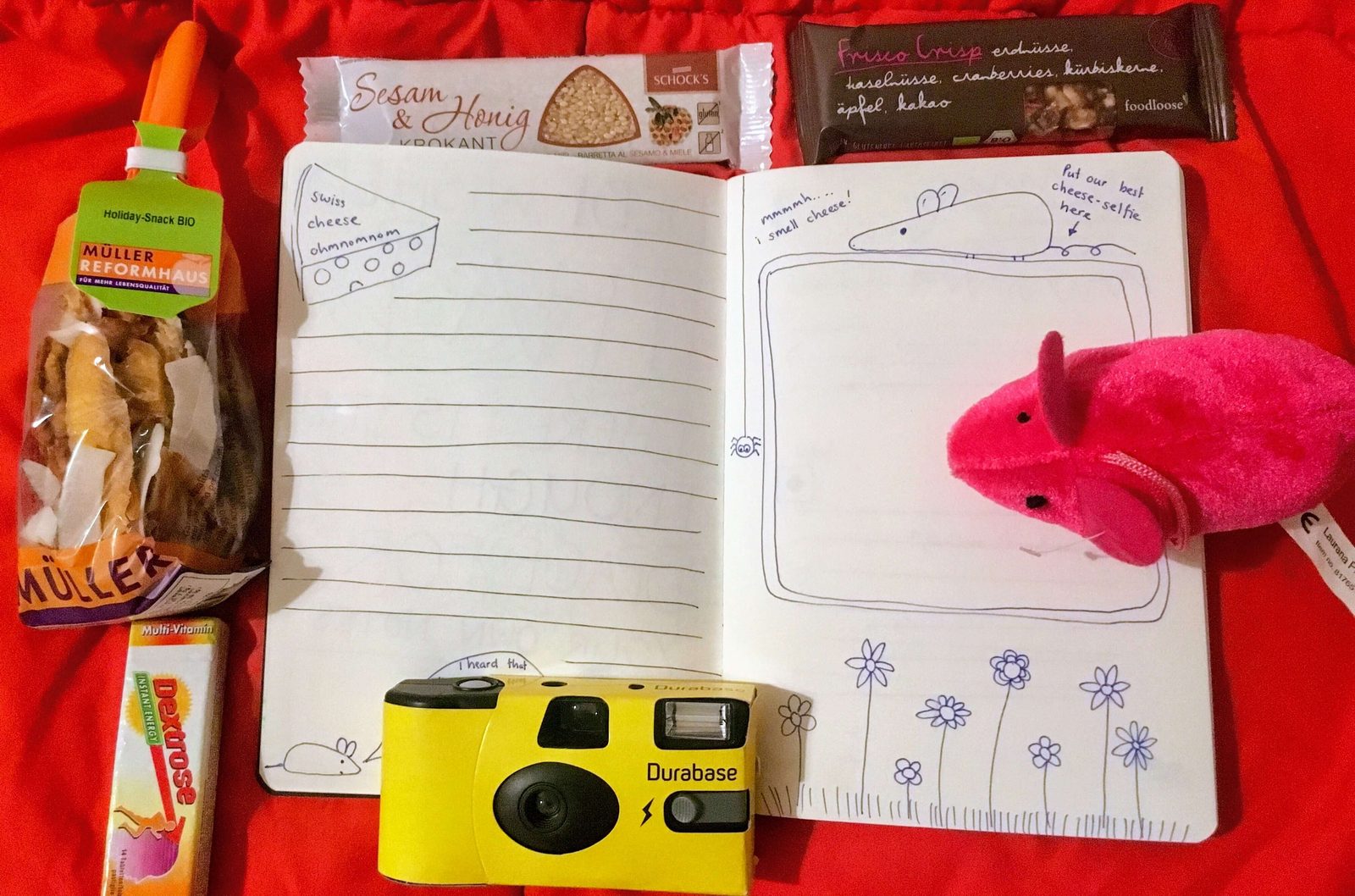
Through delicate threads on textiles, she engages with Sámi history, mythology, environmental struggle, and the shifting contours of political authority. Her embroidered compositions , often marked by repetition, procession, and circular symmetry, explore how identity persists within structures that attempt to define, contain, or reshape it.
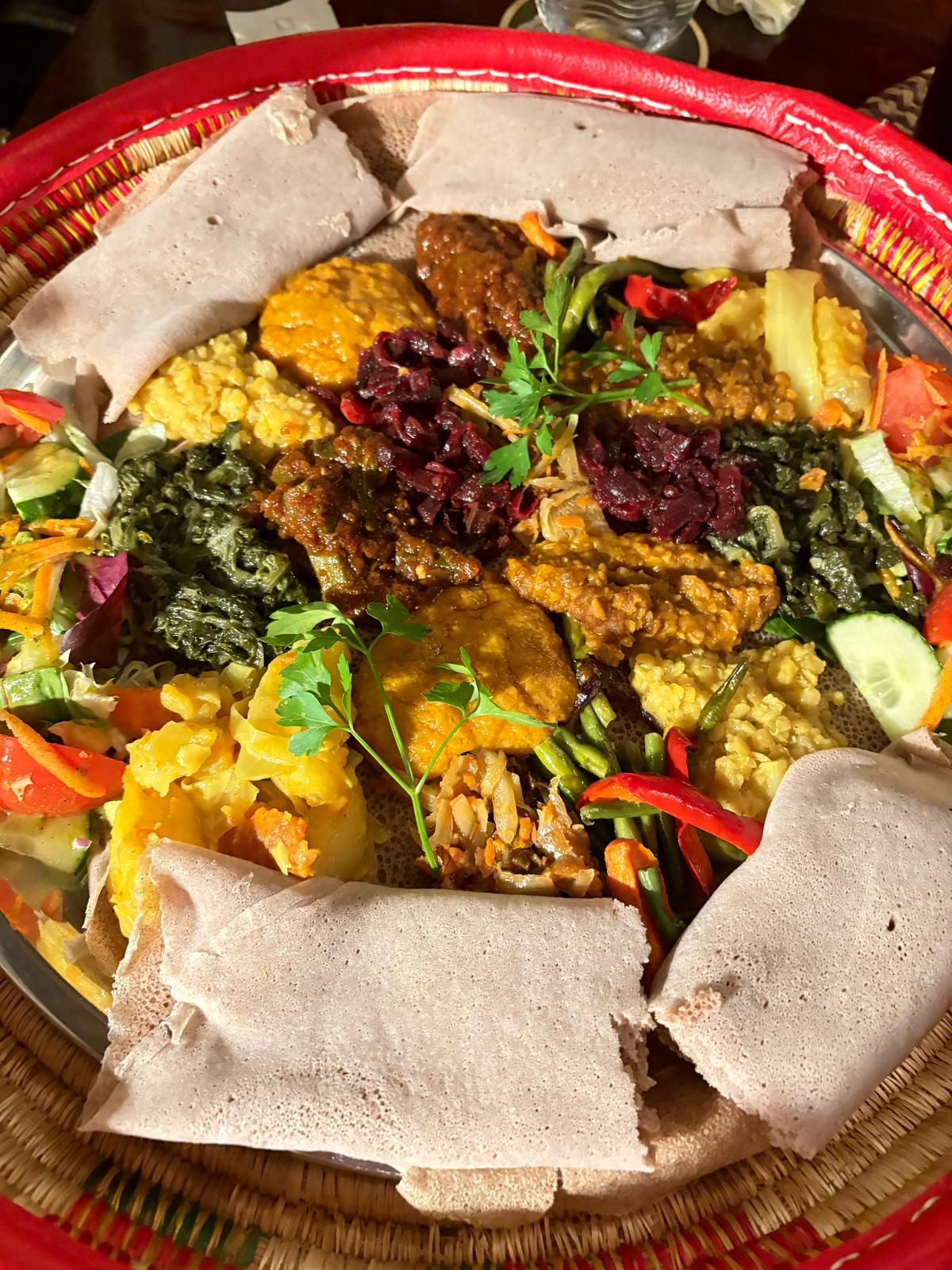
Rendered with remarkable precision and restraint, Marakatt-Labba’s works transform embroidery into testimony. Each stitched narrative carries memory forward, quietly asserting presence in the face of historical and political pressure.

Britta Marakatt-Labba–Stitched Tracks
Kunsthalle Mainz
30 January 2026—26 July 2026

More information: Kunsthalle Mainz

Perfect 7-Day Europe Highlights Itinerary for First-Timers

Paris → Amsterdam → Berlin

Seeing all of Europe in seven to ten days is unrealistic. Seeing three iconic European cities well is absolutely possible. This itinerary helps first-time European visitors who want a clear, one-way route that balances culture, history, food, and atmosphere, and it prevents time-wasting, backtracking, or unnecessary flights. By traveling from Paris to Amsterdam to Berlin, you can experience the magic, creativity, romance, and charm of three beautiful cities in Europe. 

This is a fast-paced but thoughtful itinerary. It assumes comfort with trains, early starts on travel days, and a willingness to move every few nights. If you can extend this to 9–10 days, the experience becomes noticeably more relaxed. Whether you are dreaming of sipping coffee beneath the Eiffel Tower, cruising in Amsterdam canals, or having a trip across the rich historic landmarks of Berlin, you can do it all. You will only need to be ready to move from one iconic attraction to another without long breaks. Only then will you be able to make the most of your time in these glorious European cities, and this is also the best way to travel with friends. It is always worthwhile to have a fast-paced trip with your friends. Let’s start with the perfect itinerary that will help you have the most unforgettable European retreat. 

Day 1: Arrival in Paris

What can be better than starting your European trip in Paris? This is the ultimate bucket list destination for hundreds of thousands of travellers from around the globe. There is a reason this iconic city is the world’s most-visited destination. 

Once you arrive in Paris, check into your hotel. We recommend staying in a central area, such as Saint-Germain, the Latin Quarter, or Le Marais. After that, you can stroll around the city. Don’t try to rush your first day in Paris. This day should be all about soaking up the Parisian charm that has long captivated travellers. Walk along the Seine River and watch artists at work. 

Evening highlights

– Walk along the Seine.

– Watch artists and street performers.

– Casual dinner at a sidewalk café. Try classic dishes like croque monsieur or steak frites.

– Eiffel Tower views after sunset (perhaps a guided tour with easy access)

READ: Tips for visiting Paris when you don’t speak French , The time I stayed at Montmartre,Paris and made new friends! , Staying in and exploring the 12th arrondissement in Paris: Le Bercy Square Hotel

Day 2: Paris Sightseeing

Paris is nothing without its iconic sights. You cannot say you have visited Paris if you haven’t explored all these beautiful attractions. So, make your second day in Paris all about sightseeing. Tick off all the must-see attractions from your list by hopping from one iconic place to another for the most unforgettable time. 

Morning

– Visit the Louvre Museum (arrive early to beat crowds)

– Walk through the Tuileries Garden

Afternoon

-Explore Notre-Dame Cathedral (exterior viewing)

-Wander the historic Latin Quarter

-Lunch at a local boulangerie

Evening

-Montmartre stroll to Sacré-Cœur

-Street music, artists, and stunning sunset views

Day 3: Paris – choose your experience

Option A: Disneyland Paris

A full-day excursion is best suited for Disney fans or families. For many Disney fans, visiting the theme parks is a highlight. Frozen Land at Disneyland Paris has also generated significant interest among tourists, and many are planning to visit the new attraction as soon as it opens. If you are a Frozen or Disney fan, consider dedicating one day of your European retreat to Disneyland Paris. 

Morning

– Take an RER train from the Paris city centre early in the morning.

– Head straight to the theme park.

Afternoon

– Explore all the park’s iconic attractions and rides. 

– Stop for lunch at one of the themed restaurants at Disneyland Paris.

Evening

Witness the most magical parades, shows, and fireworks. 

Option B: Slower Paris (recommended for most first-timers)

– Musée d’Orsay or Orangerie

– Montmartre neighborhood beyond the main square

– Catacombs of Paris, if t,hat interests you

– Bookstores, cafés, river walks. Admire all of those bridges!

If this is your only visit to Paris, many travelers prefer staying in the city rather than dedicating a full day to being outside it.

catacombsof paris
The Catacombs of Paris

Day 4: Travel From Paris to Amsterdam

We chose Paris, Amsterdam, and Berlin for a weeklong European retreat because they are well-connected. You can easily hop from one city to another without long hours of travel. It is also a great tactic to save time, since you only have seven days to explore three exciting European cities. 

A high-speed Thalys or Eurostar train will take you from Paris to Amsterdam in just three and a half hours. Get yourself some croissants and coffee early in the morning and board the train to get maximum time in your next city. Amsterdam is much slower than Paris. The city’s serenity and slow-paced life might be the first thing that you notice. Your first day in Amsterdam doesn’t have to be planned. Try to go with the flow and take in the slow pace and charm of this beautiful city. 

Afternoon

– Canal-side walk or short canal cruise

– Explore Dam Square.

Evening

– Dinner at one of the local cafes or restaurants. 

– Consider Dutch specialities such as bitterballen or stroopwafels.

READ: 24 hours in Amsterdam: Foodies’ day out

Day 5: Explore Amsterdam’s Culture and History

We cannot mention Amsterdam without discussing its rich culture. Its culture gives it a personality unlike any other destination in Europe. Therefore, spend your second day in the city exploring its beautiful culture and history. You will see how artistic, refreshing, and thoughtful this beautiful city is. 

Morning

– Visit the Anne Frank House (book tickets in advance)

– Explore the Rijksmuseum or Van Gogh Museum

Afternoon

– Rent a bike and ride like a local

– Explore the Nine Streets (De Negen Straatjes) for shopping

Evening

– Relax at a canal-side café

– Optional visit to the Red Light District (for cultural curiosity)

Day 6: From Amsterdam to Berlin

Europe Diaries is a travel blog abozt exploring and experiencing Europe.
The Berlin Dom

As the week’s end comes closer, head over to the final destination in your itinerary. Catch a morning flight or a train to Berlin and see how fast the energy shifts. This city is nothing like Paris or Amsterdam. You get another distinct part of Europe in Berlin. The city’s modern charm and deep historical essence have always captivated travellers. 

Even though the city’s vibe might be a lot different from the other cities in your itinerary, this gives you the perfect end for your weeklong trip. Spend your first day in Berlin exploring the city’s rich character and the bold stories every street and corner has to tell. 

Day 7: Go Sightseeing in Berlin

Afternoon

– Walk around Alexanderplatz

– Visit the Berlin Cathedral

Evening

– Explore Hackescher Markt

– Enjoy German comfort food like schnitzel or currywurst

Berlin is home to many iconic attractions. Therefore, you cannot miss the opportunity to go sightseeing while you are in the city. Spend your last days of the European retreat hopping around various prominent sights in the capital city of Germany. 

Morning

–Brandenburg Gate

–Holocaust Memorial

–Walk along parts of the Berlin Wall

Afternoon

–Museum Island or Checkpoint Charlie

–Coffee break in Kreuzberg or Prenzlauer Berg

Evening

–Experience Berlin’s legendary nightlife (Berghain, anyone?)

– Or enjoy a quiet dinner by the River Spree

As you say goodbye to Europe, slow down and soak in its charm. Consider buying souvenirs if you haven’t already, and relax at a park or green space to unwind and reflect on your journey. 

Is this itinerary right for you?

This route works best if:

1. This is your first trip to Europe

    2. You enjoy cities more than countryside

    3. You’re comfortable moving every 2–3 days

    It may not be ideal if:

    1. You prefer slow travel or nature

    2.You are traveling with very young children

    3.You want deep immersion in one country

    Shorter-travel alternative (7 nights, fewer transits)

    Paris → Brussels → Amsterdam

    If minimizing travel time is a priority, replacing Berlin with Brussels creates a smoother, more compact route.

    Why this works

    • All legs under 2 hours by train
    • No flights required
    • Easier pacing and packing rhythm

    What you trade

    • Less modern history and nightlife
    • More classic European architecture and museums

    This route suits travelers who want a calmer first Europe experience with minimal transit fatigue.

    Final thoughts

    Europe’s diversity cannot be explored in a week or even months. It can take several years to explore the entire continent and experience everything it has to offer. Starting with some of the most iconic cities is a strong option. You can never go wrong with a trip across Paris, Amsterdam, and Berlin. All these cities are well-connected and ideal for 7-10 days. They also offer varied experiences that give you a glimpse of three sides of Europe.  This way, you will be able to have the most epic week in Europe soon.

    Meet our guest author: Elsie is a passionate travel blogger who explores the world one city at a time. Through her stories and tips, she shares hidden gems, cultural insights, and travel inspiration to help others make the most of every journey. Follow her adventures and get inspired to explore beyond the map.


    Editor’s note: Want help adapting this itinerary?

    This guide is meant as a starting framework, not a one-size-fits-all plan.

    If you’d like help in adjusting the pace , Choosing the best modes of transport, extending thee trip, deciding between alternative routes or countries:

    I offer a 30-minute Europe Trip Discovery Call (€29). If you continue with itinerary planning, the fee is deducted. Book your discovery call here

    Day trip to konstanz . Germany from Basel.

    Planning a Comfortable Europe Trip with Parents for the First Time

    For the first time in almost 14 years… my parents visited me in Europe. It was their first time here in Germany, and I was beyond excited to plan a trip just for them. From cities to mountains, trains to boats, I wanted them to experience as much as possible and see all my favourite places. This is how I planned the dream.

    When my parents visited me in Europe this summer, I wanted the trip to be comfortable, scenic, and stress-free. We had just one week to see a mix of big cities, peaceful nature, and – most importantly- enjoy it at a pace that suited us.

    In the end, the trip turned out very different from what we expected: full of train stories, Airbnb surprises, hospital emergencies, and, despite that, unforgettable memories.

    Planning a trip with my parents in Europe meant finding the sweet spot between their wishes and comfort. Since it was my parents’ first trip to Germany, I wanted to give them a taste of everything—Germany’s culture, Switzerland’s mountains, and a few scenic detours nearby. There was just one twist: I don’t drive. That meant we would be relying entirely on trains and public transport. Here’s the planning criteria I came up with:

    • No more than 4 hours on a train between stops
    • Comfortable hotels or stays near stations or easily accessible.
    • Ease of finding Vegan and vegetarian food.
    • And of course — beautiful nature, lakes, and mountain views!

    My dad’s top wish? “Berlin”.

    My mom? “Anywhere scenic and peaceful”.

    So, Berlin became our very first stop, right after they landed. Bags packed, tickets booked, everything planned—what could go wrong?

    Well, July is peak summer in Europe, and unfortunately, our trip to Berlin coincided with the first weekend of school holidays in the Frankfurt region.… Also, German trains have a mind of their own. Our regional train to Frankfurt was delayed and overcrowded, and we watched the Berlin connection train leave as we reached the platform.

    Cue the panic: our carefully booked Senior Saver Fare tickets were now useless. With the chaos of the first July weekend (also the start of school holidays), the stations were bursting with travelers. In the end, we had to swallow the cost and buy last-minute full-price tickets just to continue.

    We stayed by Friedrichhain, saw the Brandenburg Gate, visited the Olympic Stadium, admired the Museum Island from the boat, and loved the Pandas in the Berlin Zoo! It was exciting, but also… hectic.

    It was a pricey and slightly stressful lesson, but one worth sharing: flexibility is worth the extra euros if you are traveling with family in peak season, especially in Germany. Sometimes peace of mind matters more than saving money. Also, standing for long periods or struggling to find seats was really challenging for my parents. So, I reserved seats whenever possible, or, exceptionally, I upgraded to first class when trains were terribly booked out.

    Tip: Always choose flex tickets if you are traveling with parents. It gives you breathing room in case things don’t go to plan.

    Berlin Dom and TV Tower
    The Berliner Dom and the TV Tower

    Offenburg: The unexpected base

    After Berlin, our proper week-long trip began in South Germany when I decided upon Offenburg as our unusual base. We had a lovely Airbnb just near the station, which made everything easier. This part felt like the “sweet spot” of travel with parents: no rushing, short rides, and coming back to the same base each evening. From there:

    Day 1: Strasbourg, France (30 minutes by train)

    Crossing into France, we spent the day in Strasbourg. My parents loved the mix of French and German culture — the stunning Gothic cathedral, canals in La Petite France, and cozy cafés where we found vegetarian-friendly meals.

    Day 2: Triberg, Black Forest (45 minutes by train)

    The next day, we explored Triberg, home to Germany’s highest waterfalls and the famous cuckoo clock shops. My parents enjoyed the gentle waterfall walk and browsing handmade souvenirs.

    Tip: Choose a hub city for short day trips. Parents appreciate having one familiar “home base” instead of moving daily.

    Switzerland: When plans change

    Our plan next was Offenburg -> Basel → Interlaken → Lucerne, and stop in Heidelberg on the way back towards Frankfurt. But we were in for a surprise.

    On the very first evening in Basel, after my quick tour of my favourite spots and my old university, my mum had a serious health emergency. She had to be admitted to a hospital for what turned out to be almost three days. Suddenly, all our Interlaken and Heidelberg bookings had to be cancelled.

    Thank goodness Airbnb made an exception on a non-refundable stay. Otherwise, we would have lost hundreds of euros in the July peak season. Here’s an Airbnb coupon in case you would like to use a discount for your next trip.

    I had originally planned Grindelwald/Lauterbrunnen for scenic cable cars and waterfalls, and also visiting Giessbach Falls + Iseltwald by boat. However, once my mum was better, we stayed based in Basel and kept things simple with day trips:

    • A boat ride in Lucerne with the cogwheel train up to Mount Rigi
    • A relaxed day in Zurich, walking slowly and stopping often

    Lesson learned: Get local insurance in the country you are visiting. Our Indian travel insurance is covering only part of the Swiss emergency bills, as of the current status.

    Best day trips from Lucerne-Mount rigi . Süectacular boat ride and then cog wheel train to go up Rigi. if you have a Tageskarte, this whole ride is for free.
    Take in spectacular views during your boat ride on your day trip from Lucerne to Mt.Rigi . Picture : Menorca-europediaries.com

    Food: Vegetarian, Vegan & Jain-Friendly

    Food planning was a huge part of the trip since my parents are vegetarians (often without onion and garlic). Here’s what helped:

    • Staying in Airbnbs with kitchens for quick meals. (Love the Haldiram’s frozen Aloo Parathas)
    • Researching vegan/vegetarian restaurants (Requesting for Jain food or food with restrictions in certain Indian restaurants in Berlin and Switzerland worked. Interlaken is full of them.)
    • Carrying ready-to-eat meals and snacks
    • Using supermarkets like Migros, Coop, and Rewe, and making use of farmers’ markets for fruits

    Some days we cooked, other days, we enjoyed local vegetarian meals. My parents especially loved sitting in cafes and people-watching.

    Important points for travelling with parents

    Insurance first. Find an EU-based company — Swiss medical bills are no joke. ADAC, Allianz, Axa are a few of many.

    Stay flexible. Book refundable stays and flexible train tickets. Things will change.

    Choose hub cities – Fewer check-ins, less stress.

    Plan food– Especially if vegetarian, vegan, or Jain options are preferred.

    Keep the pace gentle. One or two highlights a day is plenty. Don’t overdo it.

    Reflections

    Our journey didn’t go exactly as I had imagined. We missed Interlaken, spent anxious days in a Swiss hospital, and learned the hard way about train tickets and insurance. But, we also had unforgettable moments — watching waterfalls in Triberg, wandering through Strasbourg’s canals, sailing across Lake Lucerne, and strolling together through Berlin at sunset.

    Traveling with parents was about shared memories, flexibility, and care for each other. Plans may change, but the joy of exploring together makes every challenge worthwhile.

    Until next time…

    What travel plans do you have in mind? 

    Tips for travelling together withh someone for the first time

    Tips For Going Abroad With Someone For The First Time

    It can always be a bit tricky going abroad with someone for the first time. Of course, it’s exciting, but there are also a lot of things you need to plan and consider, as you don’t yet know how well you’ll travel together, especially when sharing responsibilities, navigating unfamiliar places, and spending extended time in close quarters. Taking a bit of time to prepare can make all the difference in ensuring your trip is fun, stress-free, and memorable for the right reasons. Whether you are looking to go away with your friend, partner, or a family member, we’ve put together some tips that can help when going abroad with someone for the first time. 

    Consider the type of holiday you’d like to do 

    Part of going away will be agreeing on the type of holiday you would like to take. There are many types of holidays, which means some compromises may need to be made. For example, you may enjoy hiking and have been on a spiritual walk, like a Camino de Santiago (if you haven’t, people enjoy it because of spiritual, cultural, or personal reasons – they vary in length depending on the chosen route, with the Camino Portugues being popular). Whereas the person you are going away with may have only done city breaks or cruises. This means that when you are going away, you need to manage expectations to avoid conflict or disappointment. 

    Be prepared to make compromises 

    When it comes to things like activities and where you want to eat, you need to be prepared to make compromises. You may have different budgets, dietary requirements, and preferences for food, so try to take turns choosing places to go. You should speak to each other and set up expectations about things like this before you, so you both know you’re on the same page. There’s nothing worse than feeling awkward halfway through your holiday because you both had completely different expectations of what you were going to do while you’re there. Be prepared that you might have to forego some things to make the other person happy, but they should do the same for you, too.

    READ: Things that happen when you travel with your sibling

    Give each other space

    Finally, it’s essential that you both give each other space when you’re away, as even though you might like the same things and want to spend time together, it can be quite a lot. Be mindful of each other and take some time to just relax by the pool, go for a walk on your own, or head to the shops if that’s what you like. Alternatively, if you don’t want to do that, it’s totally okay, just have a discussion together to find out what expectations are.

    These are just a few tips that should help you when it comes to going abroad and doing something like a Camino de Santiago together for the first time. There shouldn’t be too many issues in the main part if you’re going away with someone you already know and enjoy spending time with, but being abroad and in a confined space with someone can be intense. By following the above tips, you should have a mix of time together, your own space, and get to do what you want to do. What are some top tips you have for going abroad with someone for the first time? Please let us know; we’d love to hear from you! 

    Disclaimer: This is a sponsored post. However, my goal is only to help people explore Europe in the best way possible. Feel free to reach out in case of any questions or comments.

    What to eat in Turkey: foods from different cultures that bring people together

    Food Across Cultures That Bring People Together

    Food has a remarkable ability to connect people, transcending cultural boundaries and fostering a sense of community. Here’s a roundup of dishes that bring people together in different cultures around the world.

    Alpine Region

    Switzerland

    Fondue and Raclette

    In Switzerland, Fondue and Raclette are more than just meals; they are social events. Both dishes center around melted cheese, creating a cozy and interactive dining experience.

    Fondue involves dipping pieces of bread into a communal pot of melted cheese, often flavored with garlic and white wine. It’s a perfect meal for cold winter nights, encouraging conversation and shared enjoyment.

    Raclette, on the other hand, involves melting cheese in small portions and scraping it onto plates with potatoes, pickled onions, and gherkins. It’s a relaxed and customizable meal, allowing everyone to prepare their plate to their liking.

    Both Fondue and Raclette symbolize warmth, hospitality, and the joy of sharing a meal with loved ones, and are deeply rooted in Swiss tradition. Here is what else Switzerland is famous for. 

    Interested in experiencing cheese and chocolate in Switzerland?

    What is Switzerland famous for? Definitely Fondue!

    Cheese fondue: the most awaited winter delicacy.Although, why stop at winter, eh? Picture: europediaries.com

    Mediterranean Region

    Turkish Cuisine

    Contributor: Shweta Singhal from Zest In A Tote

    Sharing food is a key part of Turkish culture, and breakfast is often seen as a social occasion to gather with friends and family. Typically, a Turkish breakfast is meant to be enjoyed with others at the table, with a variety of dishes laid out for everyone.

    Sharing food is meant to encourage togetherness and social interaction in Turkish culture. Mezzo involves a variety of small dishes, including dips, salads, cheeses, and stuffed vegetables, that are meant to be shared. You can even share kebabs and rice dishes. 

    What to eat in Turkey: foods from different cultures that bring people together

    Turkish Mezzo. image: zest in a tote

    Cypriot Mezze

    Contributor: Nofar Ronen at Traveling outside the box 

    When I moved to Cyprus, I discovered the mezze meal at a taverna, and my life changed forever! Mezze consists of many small dishes—it’s not an all-you-can-eat buffet, but trust me, you’ll be full by the end.

    What is Mezze?

    Mezze is a traditional dining experience in Cyprus, Greece, and other Balkan and Middle Eastern countries. It features a wide variety of small dishes served one after another, showcasing local flavors and Cypriot cuisine. Guests share dishes placed in the center of the table, making for a social experience highlighting hospitality and togetherness.

    You can usually choose between a seafood or meat mezze. The appetizers are the same, but the main dishes vary. Seafood mezze includes grilled and fried seafood, while meat mezze features local specialties like sheftalia and Cypriot sausages.

    Mezze is typically for at least two people, costing €22–€30 per person. Drinks and desserts aren’t included, though some places offer baklava or loukoumades (honey-soaked fried dough balls) at the end.

    Mezze platter from Cyprus- Foods across cultures that bring people together

    Mezze in Cyprus. Image: Nofar Ronen

    Balkan Region

    Croatian Peka

    Contributor: & Zi from Craving Adventure

    If you are lucky enough to be invited to a traditional Peka in Croatia, prepare for an experience that’s all about the slow pleasure of a meal made with care.

    Peka is both a dish and a cooking method, where meat (usually lamb, veal, or octopus) and vegetables are slow-roasted under a domed iron lid (Peka) covered in hot embers. The result? Melt-in-your-mouth tenderness infused with smoky, aromatic flavors.

    The best Peka experience is in someone’s home, where the host tends to the fire while guests sip gemist (wine with sparkling water) and chat. But many konobas also offer it—if you’re on Hvar, don’t miss Konoba Kokot, a family-run spot that feels just like a backyard gathering. It’s the perfect place to experience this traditional dish in a warm, homey setting and a must on your Hvar itinerary.

    When the lid is lifted, releasing waves of mouthwatering aromas, the moment feels almost ceremonial. Plates are passed, bread is torn by hand, and everyone digs in together, sharing food, laughter, and stories.

    What to eat in Croatia: Peka. Foods that bring people together -

    Have you shared a Croatian Peka yet?


    Iberian Peninsula

    Portuguese Petiscos

    Contributor: Marga of Discover Portugal

    Spain is known for its tapas, but Portugal has its own version: petiscos! It’s basically a small snack and a tasty little bite. There are many different petiscos in Portuguese gastronomy, and a Lisbon food tour is the perfect place to try some out! As the country has an extensive coastline, you can expect many dishes with fish, such as a delicious octopus salad and amêijoas. And the choco frito is a tasty cuttlefish petisco from Setúbal.

    A charcuterie board is always perfect for sharing, too, and you can try São Jorge Cheese, Serra da Estrela Cheese, and Queijo de Azeitão. Chouriço, Pica Pau and Alentejo sausages are must-tries for meat lovers. You will also often see tremoços or lupini beans. You might see them served in local bars. All of this tastes even better with an ice-cold beer or delicious wine from Portugal!

    How to share a mesl in Portugal: foods that bring people together

    Petiscos in Portugal. image: Discover Portugal

    Lapas (“limpets”) in Madeira/Azores 

    Contributor: Inês and Chris, RandomTrip

    Lapas (“limpets” in Portuguese) are one of the dishes everyone who visits Madeira or the Azores Islands in Portugal wants to try. Present on the islands since they were populated, it’s a typical dish often served as a starter and shared among everyone at the table. 

    They are normally served in the same pan where they were cooked, still hot, and covered with a sauce made with butter and garlic (although some people also eat them raw with just a bit of lemon juice!). You can eat them directly with your hand, picking the shell and using your mouth to get the meat and sip the sauce. Delicious!

    What to eat in Madeira and Azores

    Lapas from Madeira or Azores region


    North Africa

    Moroccan Tagine

    Contributor: Chris from Global Trip Diaries

    Tagine is a cornerstone of Moroccan cuisine, both a dish and the clay pot in which it is slow-cooked. Traditionally shared among family and friends, it reflects Morocco’s communal dining culture. In Marrakech and across the country, it is a staple at gatherings, from everyday meals to special celebrations.

    A tagine typically consists of meat, poultry, or vegetables, slow-cooked with spices like cumin, cinnamon, and saffron. Ingredients are layered and left to simmer, creating a rich, aromatic dish. Variations include lamb with prunes, chicken with preserved lemons, and vegetarian versions with seasonal produce.

    If invited to a Moroccan home for tagine, expect to eat from a shared dish, using bread to scoop up the food. It’s customary to take from the section in front of you rather than reaching across. Hospitality is central to Moroccan culture, so guests are often offered generous portions.

    Tagine in Morocco: Sharing food across the world

    Traditional Tagine in Morocco. Image:Global Trip Diaries

    Moroccan Couscous

    Contributor: Eva Westerling from Not Scared of the Jetlag

    Couscous is traditionally eaten in Morocco on Fridays after the midday prayer in the mosque. The family comes together, everyone sits on the ground around the big plate of couscous.

    The most common version has seven types of vegetables, including carrots pumpkin, and some meat. The sauce is made from the meat and vegetable broth that the couscous was steamed over and some families put a kind of buttermilk on it as well. These days most people eat it with a spoon, and everyone sticks to their ‘pizza slice’ in front of them. The vegetables and couscous are eaten first before the female head of the household splits the meat into similar portions and everyone finishes their meal with that.

    For weddings, a special couscous dish is served. The plate of couscous is topped with grilled chicken, carrots, chickpeas and caramelized onions and raisins. 8-10 people join around each round table and share the meal.

    Couscous in Morocco: foods that are eaten together and shared.

    Couscous in Morocco. image:Not Scared of the Jetlag


    Africa

    Injera and Sharing Platters

    In many African cultures, food is inherently communal. Meals are often served on large platters or in shared bowls, encouraging everyone to eat together and share in the experience. Injera, a spongy flatbread, is a staple in Ethiopian and Eritrean cuisine, used to scoop up flavorful stews and vegetables from a shared platter. This style of eating fosters a sense of unity and connection, where everyone participates in the meal.

    Across the continent, sharing platters is common, featuring a variety of meats, vegetables, and sauces. These meals are not just about sustenance; they are social events where families and friends come together to celebrate and connect. The act of sharing food strengthens bonds and reinforces community ties.

    Ethiopian platter for sharing : Foods that bring people together

    Platter for two: Ethiopian and Eritrean cuisine

    Caucasus Region

    Georgian

    Khachapuri & Lobiani

    Contributor: Maria & Katerina of It’s All Trip To Me

    Renowned for their hospitality, Georgians cherish spending time with friends and loved ones, often over small plates of local delicacies and glasses of homemade wine, thus turning any simple meal into a proper feast.

    This is reflected in Georgian cuisine, which features several dishes that were made to be shared, such as the country’s delicious and omnipresent pies.

    The most popular among them is, without a doubt, Khachapuri. The country’s national dish, Khachapuri is also among the best vegetarian food to try in Georgia. It consists of handmade dough filled with local cheese, the type of which varies according to the region.

    Another Georgian pie you should try in Georgia is Lobiani. Similar to Khachapuri, Lobiani replaces cheese with kidney beans for its filling.

    Both Khachapuri and Lobiani take center stage in lunches and dinners across Georgia, which sometimes go strong for hours on end, with wine, conversation, and, often, song flowing as the hours go by.

    What to eat in georgia: Khachapuri and Lobiani

    Sharing food in Georgia. Image: it’s All Trip to Me

    Central Asia

    Uzbek Bread (Non)

    Contributor: Liza from Atlas Rambler Travel Guides

    In Uzbekistan, bread holds a significance that transcends its status as a mere food staple. Uzbek bread, or “non” as it is known locally, is woven into the fabric of Uzbek cuisine and even has its own rituals and traditions.

    Non is baked in distinctive clay ovens known as “tandirs,” which leave the bread with a unique flavour and a crisp crust. In any city or town in Uzbekistan, you are never far from the smell of freshly baked non. Each region is known to prepare and decorate their non slightly differently, with unique floral patterns and seeds.

    Bread is offered to guests as a gesture of welcome and respect. Breaking bread is a common part of gatherings, celebrations, and even everyday meals. Whether you are a guest in someone’s house or at a restaurant, non will be offered with every meal.

    The traditions and customs that surround this delicious bread reflect the reverence of the Uzbek people. For instance, it is considered disrespectful to place bread face down, and it is traditionally broken by hand rather than cut with a knife. These traditions have been passed down through generations and show how important bread is in Uzbek culture.

    What to eat in uzbekistan: Uzbek Bread while baking ad eating together

    Baking break in Uzbekistan. Image: Atlas Rambler Travel Guides

    Asia

    Chinese Hot Pot

    Chinese Hot Pot, also known as Huǒguō, is a communal dining experience where a simmering pot of flavorful broth is placed at the center of the table. Guests then cook a variety of ingredients, such as thinly sliced meats, vegetables, noodles, and seafood, directly in the broth.

    Hot Pot is highly interactive and customizable, allowing everyone to cook their preferred ingredients to their desired level of doneness. This style of eating encourages conversation and collaboration, as everyone participates in the cooking process and shares the resulting meal. It’s a popular choice for gatherings with family and friends, especially during colder months, as it provides warmth and a sense of togetherness.

    Hot Pot: Eating together in China

    Japanese Yakiniku

    Contributor: Brandon from Zimmin around the world

    Similar to Korean BBQ, Yakiniku is the Japanese version of grilling your own meat over an open flame, usually centered on a table. Yakiniku is meant to be shared and is best done with multiple people.

    In Japan, there are many varieties of Yakiniku restaurants, and most are in the form of all-you-can-eat or a la carte. For groups, all-you-can-eat is usually the best deal, and many restaurants have an all-you-can-drink option as well.

    Typical Yakiniku dishes that you throw on the grill include cuts of beef, pork, chicken, seafood, and vegetables. The dishes are served on small plates and raw. The party then grills the meat over the open flame and serves the meat as it cooks. The meat is generally pre-cut into smaller portions, so there is no need to cut it. Simply cook the meat, dunk it in one of your favorite sauces, and enjoy!

    Foods that bring people together- Japan

    Yakinuku from Japan. Image: zimmin around the world


    Australia

    Lamingtons

    Contributor: Linda of Muy Linda Travel 

    A lamington is an Australian cake often enjoyed with morning or afternoon tea.  As traditional as the Aussie meat pie, the pavlova, and vegemite, the lamington is usually eaten as a snack and shared with friends and family with a cup of tea or coffee.

    The lamington first appeared at the end of the 19th century at Government House in Brisbane when the Governor, Lord Lamington, asked his chef to cater for unexpected guests. The Lamington was a tremendous success and is now enjoyed throughout the country.

    The delicious lamington is made from small squares of sponge cake dipped in chocolate icing and rolled in desiccated coconut. They are easy to make with pre-made cake and are often found at community events such as fundraisers and fetes.

    “Lamington drives” are a popular way to raise money for community projects in schools, churches, and other organisations. Growing up in Sydney, Australia, I was involved in a few of these events, and I remember taking orders from friends, family, and neighbours and making the lamingtons in the local church hall.

    A plate of lamingtons is always well received and often devoured immediately by the family or shared with friends and work colleagues.   

    What to eat together in Australia

    Lamingtons in Australia


    Latin America

    Mexican Mole

    Contributor: Mal of GetLostInMexicoCity

    Mexican mole is a type of rich sauce made of chiles, roasted nuts, seeds, spices, and sometimes fruit and chocolate, creating a complex and layered flavour profile.

    Making mole is a time-consuming activity, and it’s mainly prepared in Mexico for special occasions, such as holidays, family gatherings, and celebrations. We learned about mole during a cooking class we took in Mexico City. We made a white variation of mole, which is typically prepared for weddings!

    Traditionally, mole is prepared by hand, with the ingredients being ground using a stone grinder called a metate. This process can take hours, but it’s worth it for the delicious and authentic taste of mole.

    mexican mole: Foods that bring people together

    Cooking Mole together. Image: GetLostinMexicoCity


    Asado (Argentina)

    Contributor: Chanelle from Chasing Chanelle

    Asado (traditional barbecue) is Argentina’s biggest food tradition. Although it’s more than just a meal—it’s a cultural event that brings people together.

    Rooted in the country’s gaucho (cowboy) heritage, asado involves slow-cooking various cuts of meat over a large, open flame or charcoal grill, known as a parrilla. The cooking process often takes hours, making it a social affair where friends and family gather to chat, drink wine, and enjoy each other’s company.

    While beef, pork, chorizo (pork sausage), and morcilla (blood sausage) are the most common meats you’ll find at an asado, the Patagonia region is famous for its slow-roasted lamb, cooked over an open flame—a must-try regional specialty.

    If you are invited to an asado, expect a warm, communal atmosphere with fantastic food and wine. The meal is usually served family-style with sides like chimichurri sauce, grilled vegetables, salads, and crusty bread. And don’t be surprised if the gathering lasts all afternoon and evening—asado is as much about the experience as it is about the food!

    For Argentinians, asado is a symbol of hospitality and togetherness. It’s a chance to slow down, connect and celebrate life’s simple pleasures with friends and family.

    Eating together in Argentina- Asado : Foods that bring people together

    Asado in Argentina

    Isn’t it wonderful how similar different cultures can be? Food certainly brings people together! Have more ideas to add? Drop your thoughts in the comments below and do share this post with all your foodie friends.

    Planning a trip to Scotland for hiking and nature lovers

    The West Highland Way: The Ultimate Way to Explore Scotland

    Scotland is one of the most beautiful countries in Europe, home to breathtaking nature, and the long-distance trail of West Highland Way is the best way to explore it. Stretching 94 miles (152 km) from Milngavie to Fort William, it truly encompasses the essence of Scotland in just 9 days. 

    What makes the West Highland Way special?

    The West Highland Way is brimming with stunning scenery and historically significant sites. Along the route, you experience a wide range of Scottish landscapes, from the tranquil shores of Loch Lomond to the 18th-century military roads. Each day brings you new stories of Scotland’s rich history and surprises you with magical nature. 

    Beyond the physical beauty, however, this journey also offers a cultural experience. The walkers get to bond over shared experiences and the unique sense of camaraderie on the trail. Not just that, the route passes through historic villages, where you can fully immerse yourself in the local food, culture, music, and hospitality. 

    Route overview

    Beginning in Milngavie, the West Highland Way goes north, visiting many of Scotland’s iconic sites and viewpoints, before ending in Fort William at the foot of Ben Nevis – the UK’s highest mountain peak. Here are some of the highlands that this journey will include:

    • Loch Lomond: The trail takes you past the eastern shores of this infamous loch, where you can enjoy jaw-dropping views and even go for a refreshing swim if the weather allows it!
    • River Falloch: Walking past the banks of River Falloch, you will be met with some of the most fantastic scenery, including the impressive twin mountains Ben More and Stob Binnenin.
    • Rannoch Moor: On day 6, you will visit Rannoch Moor, a remote and charming swampy wasteland known as one of Europe’s last great wilderness.
    • Devil’s Staircase: The highest point on the trail (550m) will be the Devil’s Staircase towards the end of your trip. The hike will reward you with incredible views of the surrounding Highlands.
    • Fort William: The final stop of the trip, Fort William, is one of the main highlights, providing stunning views of Ben Nevis and a quaint historic town. 

    Practical tips

    Completing the West Highland Way usually takes about 9 days and can be completed as a group tour or self-guided. The best time to make this trip is between late spring and early autumn, when the weather is the mildest. However, remember that Scotland’s weather is unpredictable, and you may also experience a lot of rain during the summer. 

    Planning your trip can be challenging, too, since this trail takes you through many areas of complete wilderness. You can use a travel agency specializing in walking holidays in Scotland. For example, Orbis Ways has years of experience organizing Scotland tours, which is reflected in their excellent reviews. From booking the accommodation to sorting out baggage transfer services, Orbis Ways will handle all logistics.

    Lastly, preparation is always key. Walking long distances each day for 9 days straight is physically challenging. The West Highland Way, particularly, involves some steep ascents and descents. Prepare yourself for this journey by training in advance.

    The West Highland Way is more than just a hiking trail – it’s the ultimate way to experience Scotland and everything it offers. Happy explorations!

    Disclaimer – This post may contain sponsored or affiliate links. All opinions remain my own.