

Thirteen Dishes Designed to Be Shared
Every food culture has its own version of the same idea: put the food in the middle of the table and let everyone reach in. Sometimes that means a pot of melted cheese, sometimes a whole lamb under an iron lid, sometimes a stack of flatbread and a shared platter. The details change; the instinct does not.
I asked cooks and travel writers around the world which dish does this best in their part of the world. Their answers, gathered below, run from the Alps to Argentina and make a good argument that the shared table is the most universal thing we cook.
Cook it at the table
Fondue and raclette, Switzerland
In Switzerland, fondue and raclette are less meals than social events. Both are built around melted cheese, and both keep everyone at the table busy and talking.
Fondue means dipping pieces of bread into a communal pot of cheese, usually flavoured with garlic and white wine. It belongs to cold winter nights, when a long conversation is part of the point. Raclette works differently: the cheese is melted in small portions and scraped over potatoes, pickled onions and gherkins, so each person builds a plate to their own taste. Between them they stand for warmth and hospitality, and both are rooted deeply enough in Swiss tradition to feel like the country on a plate. If cheese is your reason for visiting, there is more on what Switzerland is famous for and on cheese and chocolate in Gruyère.
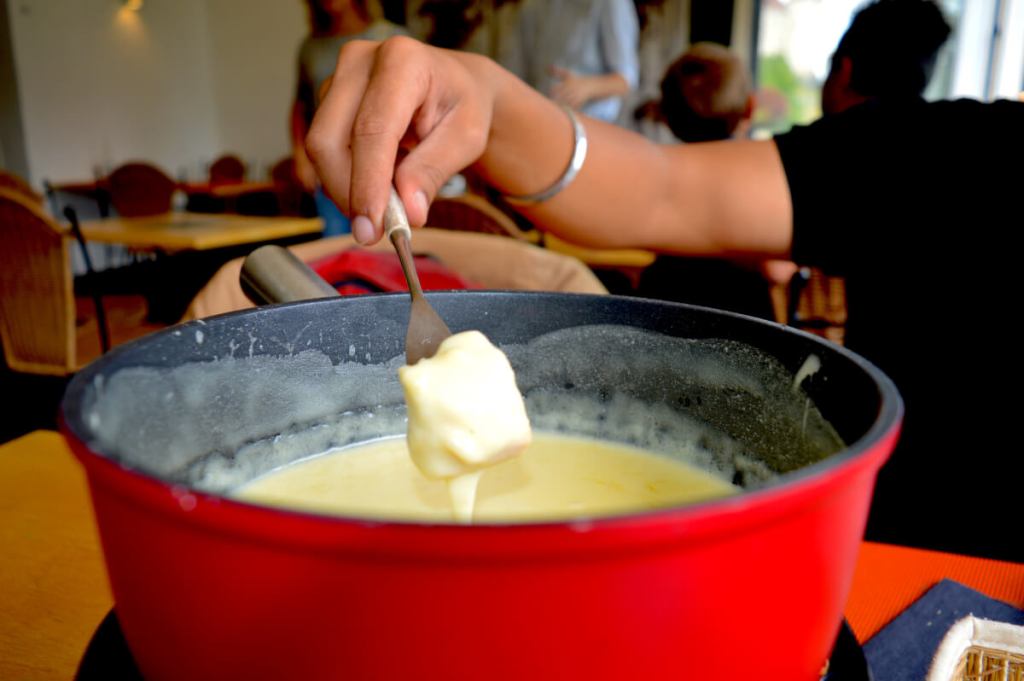
Cheese fondue, the winter delicacy — though there is no reason to stop at winter.
Hot pot, China
Chinese hot pot, or huǒguō, places a simmering pot of flavoured broth at the centre of the table. Guests cook thinly sliced meat, vegetables, noodles and seafood in it themselves, taking what they want as it is ready.
The format is interactive and endlessly adjustable, which is why it works for groups: everyone participates in the cooking and then eats the result together. It is especially popular in the colder months, when the warmth of the pot and the company around it are the whole attraction.
Yakiniku, Japan
Yakiniku is Japan's answer to Korean barbecue: you grill your own meat over an open flame set into the table. It is designed for sharing and is at its best with several people ordering together.
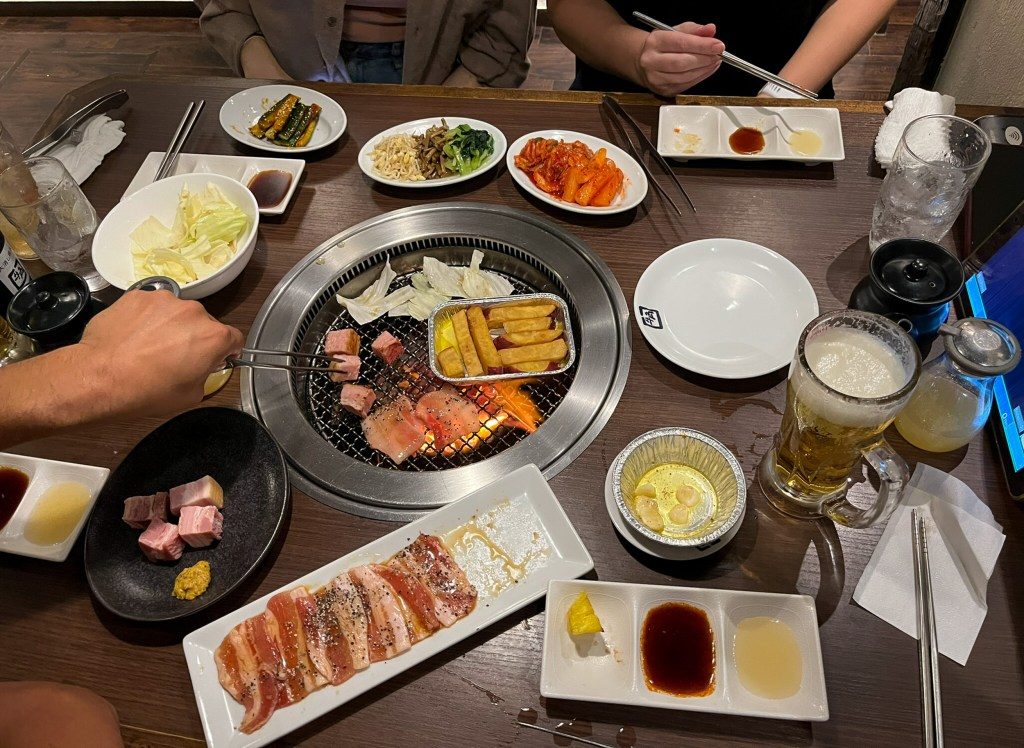
Restaurants range from all-you-can-eat to à la carte, and for groups the all-you-can-eat format is usually the better deal; many places add an all-you-can-drink option as well. The food arrives raw on small plates — beef, pork, chicken, seafood, vegetables — and the table cooks it a little at a time, taking pieces as they are done. The meat is normally pre-cut, so there is nothing to do but grill it, dip it in a sauce and eat.
Contributor: Brandon, Zimmin Around the World
One pot, many hands
Peka, Croatia
An invitation to a traditional peka in Croatia is an invitation to a slow meal. Peka is both the dish and the method: meat — usually lamb, veal or octopus — is layered with vegetables under a domed iron lid, the peka, which is then covered in hot embers and left to cook for hours. What comes out is tender enough to fall apart, with smoke and herbs through every mouthful.
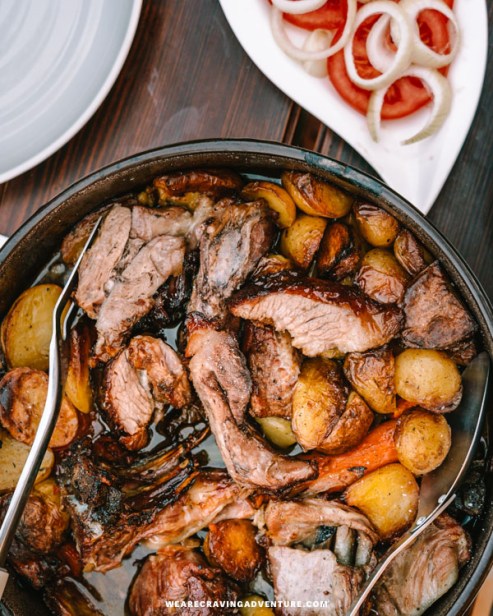
The best version happens in someone's home, with the host tending the fire while guests drink gemist, wine mixed with sparkling water, and talk. Many konobas serve it too. On Hvar, Konoba Kokot is family-run and feels like a backyard gathering, which makes it a fine stop on an Hvar itinerary. When the lid comes off, the aroma does the announcing; plates are passed, bread is torn by hand and everyone starts together.
Contributor: Zi, Craving Adventure
Tagine, Morocco
Tagine is a cornerstone of Moroccan cooking, and the word covers both the dish and the clay pot it is slow-cooked in. It is made to be shared by family and friends, which is why it turns up everywhere from everyday meals to celebrations in Marrakech and across the country.
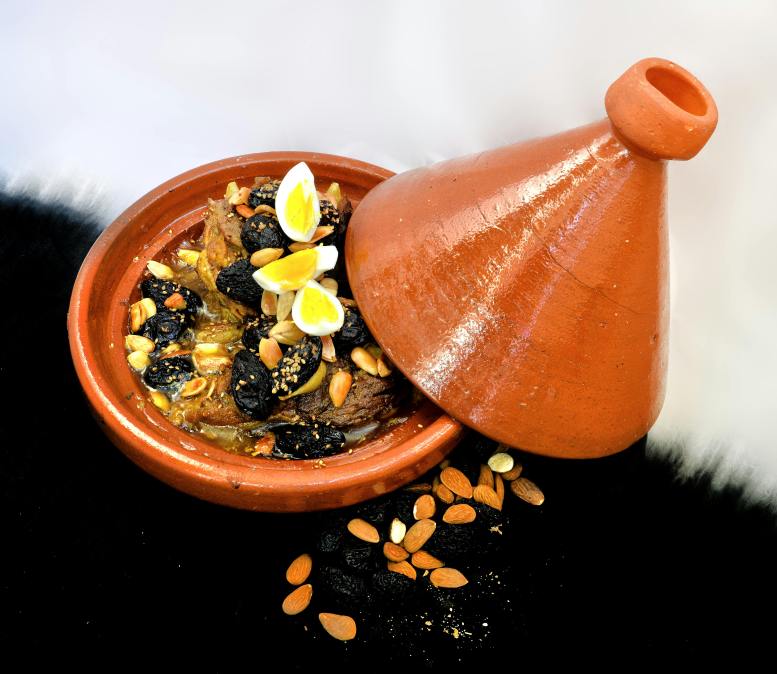
A tagine usually holds meat, poultry or vegetables, cooked slowly with cumin, cinnamon and saffron. The ingredients are layered and left to simmer until the flavours merge. Lamb with prunes, chicken with preserved lemons and vegetarian versions built on seasonal produce are all common.
If you are invited to a Moroccan home for tagine, expect one dish in the middle and bread instead of forks. Take from the section in front of you rather than reaching across, and accept the generous portions — hospitality is central to how Moroccans host.
Contributor: Chris, Global Trip Diaries
Couscous, Morocco
Couscous in Morocco is traditionally a Friday dish, eaten after the midday prayer at the mosque. The family gathers, sits on the ground around one large plate, and eats from it together.
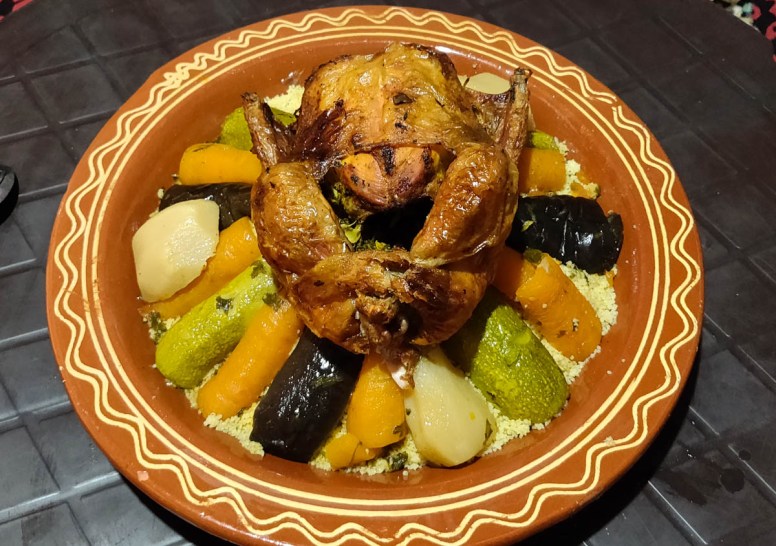
The most common version has seven kinds of vegetables, including carrots and pumpkin, along with meat. The sauce comes from the broth the couscous was steamed over, and some families add a kind of buttermilk. Most people now use a spoon, and each person keeps to the wedge in front of them. Vegetables and couscous are eaten first; then the female head of the household divides the meat into equal portions and everyone finishes with that.
Weddings call for a special couscous, topped with grilled chicken, carrots, chickpeas and caramelised onions and raisins. Eight to ten people sit around each round table and share it.
Contributor: Eva Westerling, Not Scared of the Jetlag
Asado, Argentina
Asado is Argentina's biggest food tradition, and calling it a barbecue undersells it. It is a cultural event built on the country's gaucho heritage: various cuts of meat cooked slowly over a large open flame or charcoal grill, the parrilla, for hours while friends and family talk, drink wine and wait.
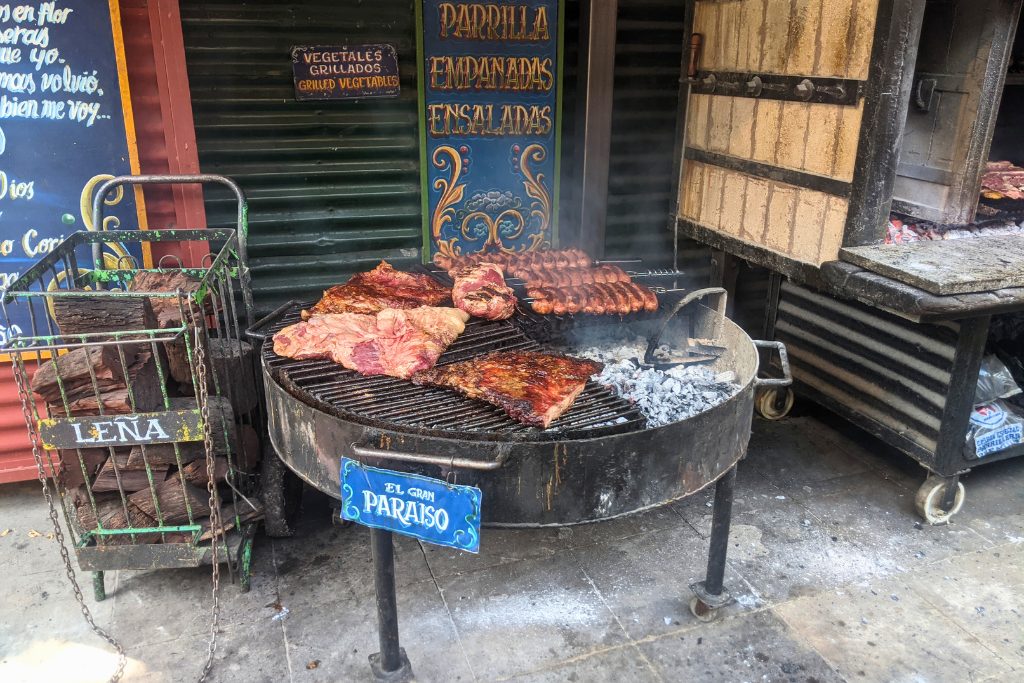
Beef, pork, chorizo and morcilla are the usual meats, but the Patagonia region is known for slow-roasted lamb cooked over an open flame, a speciality worth seeking out — one good reason to ask whether Patagonia is worth visiting (it is).
Expect the meal to be served family-style with chimichurri, grilled vegetables, salads and crusty bread, and expect it to last all afternoon and into the evening. For Argentinians, asado stands for hospitality and togetherness: a reason to slow down and celebrate ordinary pleasures.
Contributor: Chanelle, Chasing Chanelle
Small plates, long conversations
Turkish breakfast and meze
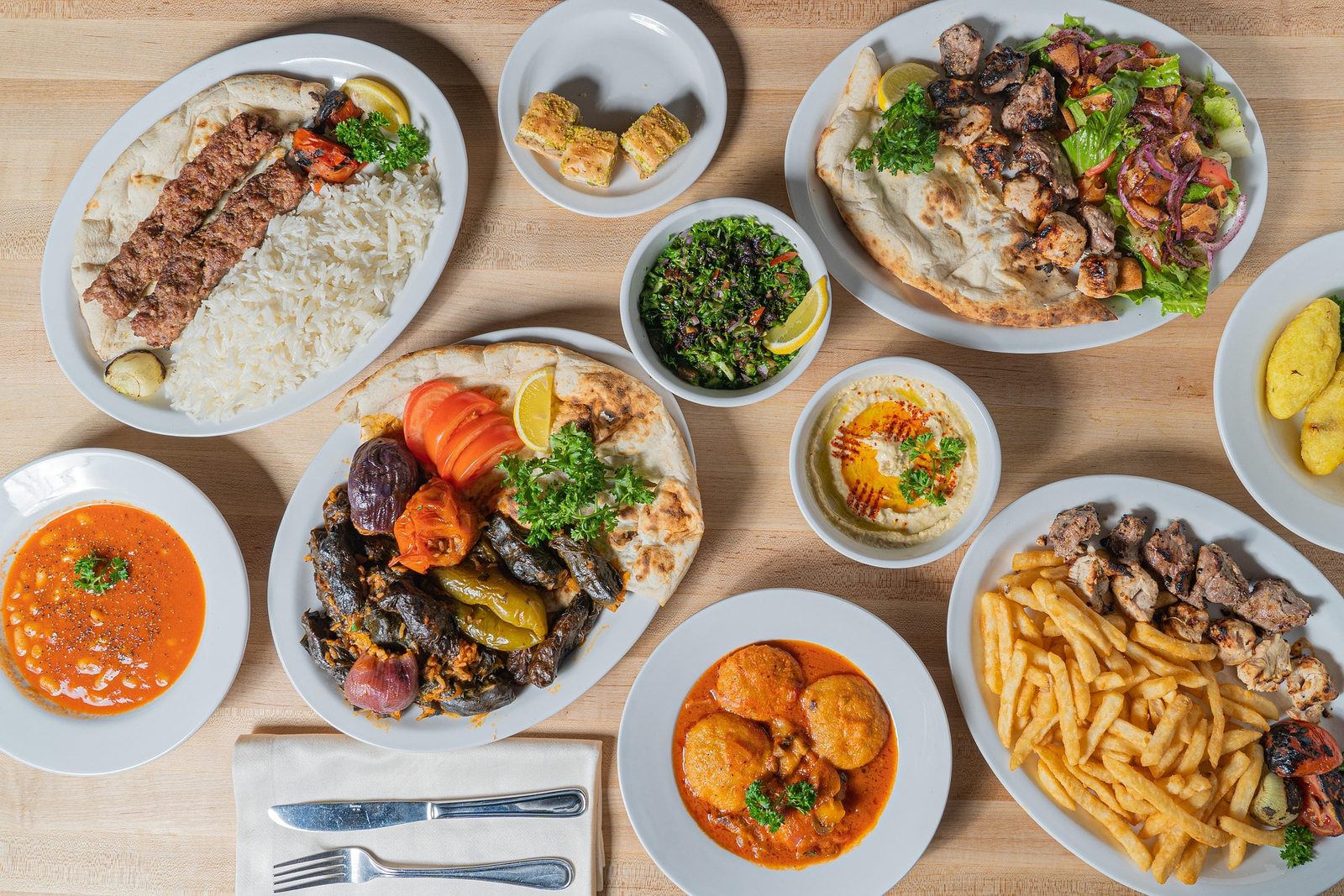
In Turkey, sharing food is a central part of the culture, and breakfast is treated as a social occasion for friends and family. A Turkish breakfast is laid out for the table rather than plated for individuals, with several dishes on offer at once.
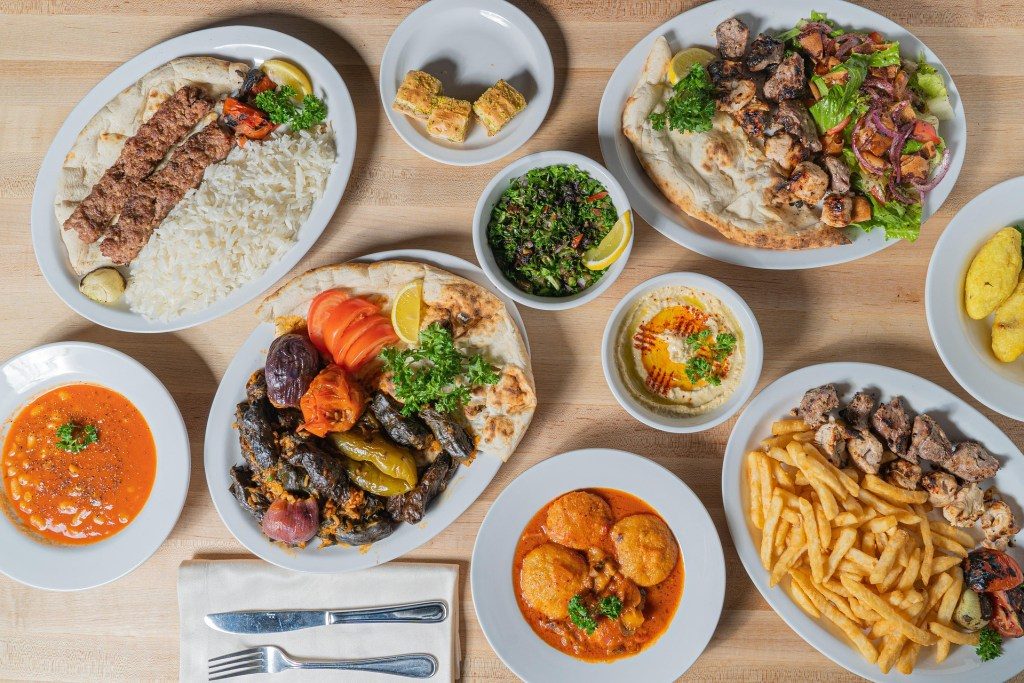
Meze follows the same logic: small dishes of dips, salads, cheeses and stuffed vegetables, all meant to be shared. Kebabs and rice dishes can be shared too, which is the point — the meal is a way of keeping everyone at the table together.
Contributor: Shweta Singhal, Zest In A Tote
Cypriot mezze
Mezze is a traditional way of eating in Cyprus, Greece and other Balkan and Middle Eastern countries: a long succession of small dishes that arrive one after another, showing off local flavours. Everything is placed in the middle and shared, which is what makes it such a sociable meal.
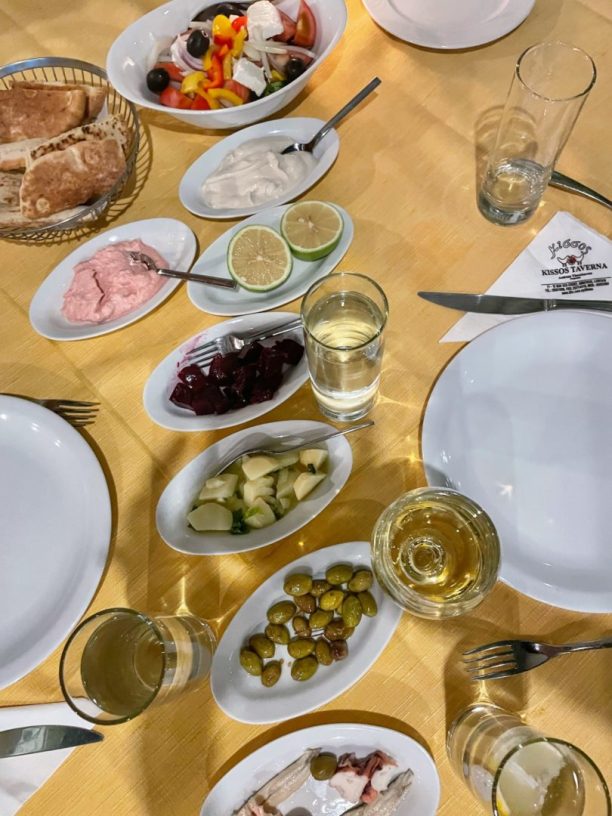
You usually choose between seafood and meat versions. The appetisers are the same either way; the mains differ. Seafood mezze brings grilled and fried fish; meat mezze includes local specialities such as sheftalia and Cypriot sausages.
Mezze is normally for at least two people and costs around €22–€30 per person, with drinks and desserts extra. Some places finish with baklava or loukoumades, the honey-soaked fried dough balls. It is not an all-you-can-eat buffet, but you will be full by the end.
Contributor: Nofar Ronen, Traveling Outside the Box
Petiscos, Portugal
Spain has tapas; Portugal has petiscos, its own version of the small snack. The range is wide, and a Lisbon food tour is an efficient way to work through it.
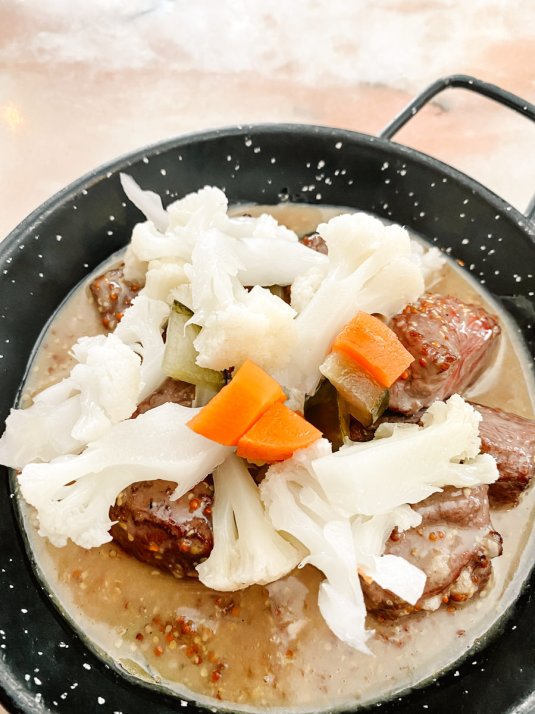
With so much coastline, fish features heavily: octopus salad, amêijoas, and choco frito, a cuttlefish petisco from Setúbal. A charcuterie board is made for sharing, with São Jorge, Serra da Estrela and Queijo de Azeitão cheeses, plus chouriço, Pica Pau and Alentejo sausages for meat eaters. Bars often put out tremoços, lupini beans, to nibble alongside. Everything tastes better with a cold beer or a glass of Portuguese wine.
Contributor: Marga, Discover Portugal
Lapas, Madeira and the Azores
Lapas, limpets, are among the first things visitors to Madeira or the Azores want to try. They have been eaten on the islands since they were settled and usually arrive as a starter, shared across the table.
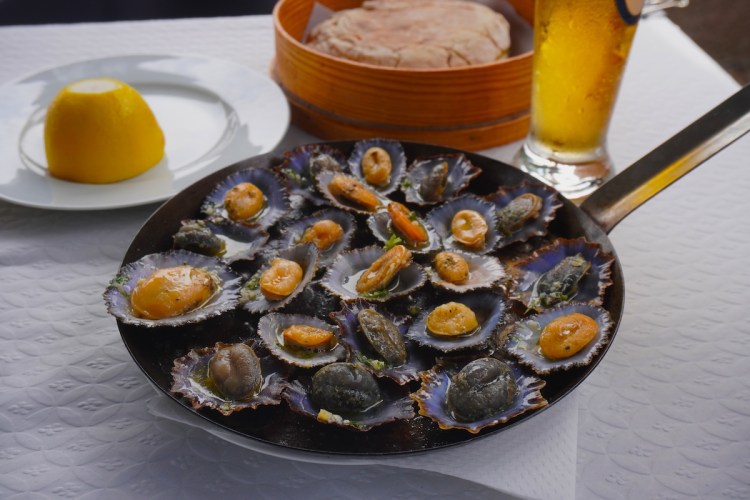
They come to the table in the pan they were cooked in, still hot, under a sauce of butter and garlic — though some people eat them raw with a squeeze of lemon. You pick up a shell, use your mouth to free the meat and sip the sauce. No cutlery required.
Contributors: Inês and Chris, RandomTrip
Bread at the centre of the table
Injera, Ethiopia and Eritrea
In much of Africa, food is communal by default: meals arrive on large platters or in shared bowls, and everyone eats from them. Injera, a spongy flatbread, is the staple of Ethiopian and Eritrean cooking, used to scoop up stews and vegetables from a platter in the middle.
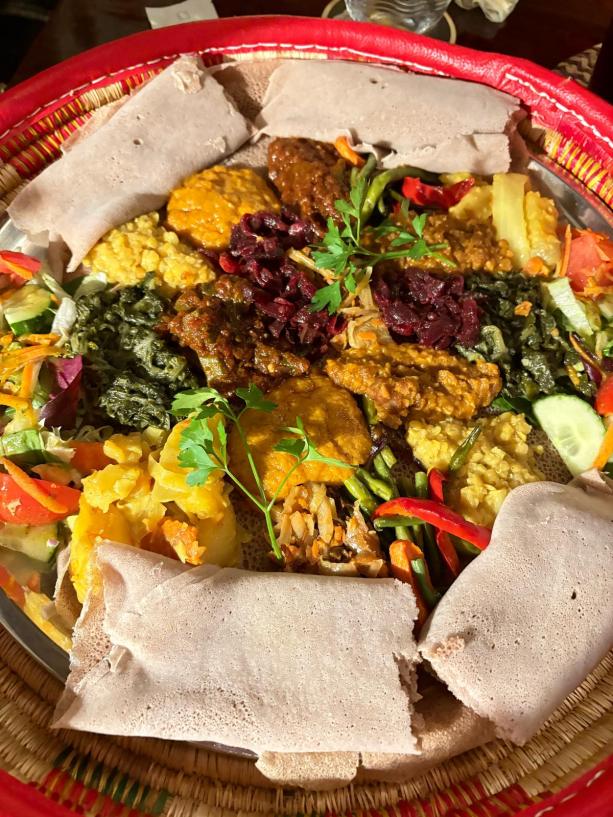
Across the continent, sharing platters of meat, vegetables and sauces are common, and they are social events rather than mere sustenance. The act of eating from the same dish does as much work as the conversation around it.
Non, Uzbekistan
Uzbek bread, non, is more than a staple; it has its own rituals. It is baked in clay ovens called tandirs, which give it a crisp crust and a flavour you cannot reproduce elsewhere, and in any town you are never far from the smell of a fresh batch. Every region decorates its non a little differently, with floral patterns and seeds.
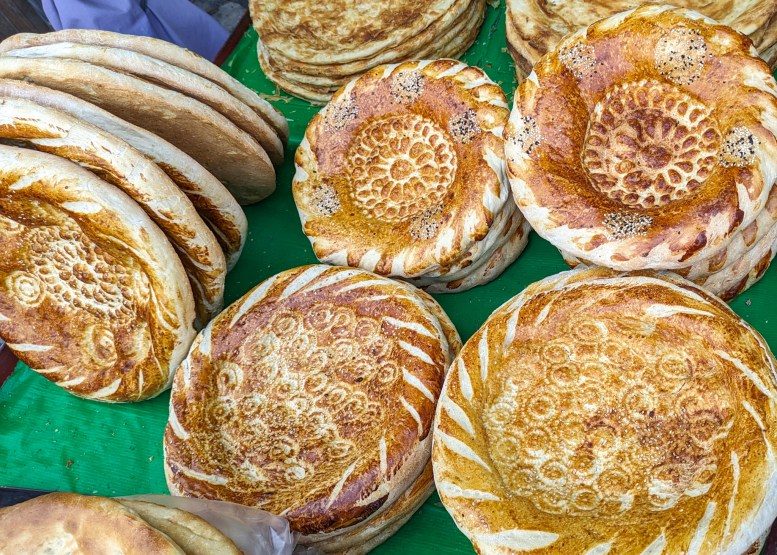
Bread is offered to guests as a sign of welcome and respect, and breaking bread is part of gatherings, celebrations and ordinary meals alike — at home or in a restaurant, non arrives with the food. There are rules around it, passed down through generations: never place bread face down, and break it by hand rather than cutting it with a knife.
Contributor: Liza, Atlas Rambler Travel Guides
Khachapuri and lobiani, Georgia
Georgians are known for their hospitality, and much of it happens over small plates of local food and glasses of homemade wine, until a simple meal becomes a feast. Their cuisine has several dishes built for sharing, starting with the country's pies.
Khachapuri is the national dish, and also one of the best vegetarian foods to try in Georgia. Handmade dough is filled with local cheese, the type varying by region. Lobiani is the same idea with kidney beans instead of cheese. Both take centre stage at lunches and dinners that can run for hours, with wine, conversation and often singing.
Contributors: Maria and Katerina, It's All Trip To Me
Food for celebrations and community
Lamingtons, Australia
The lamington is an Australian cake for morning or afternoon tea, as traditional in its way as the meat pie, the pavlova and Vegemite. It is a snack rather than a centrepiece, made to be shared with friends and family over tea or coffee.
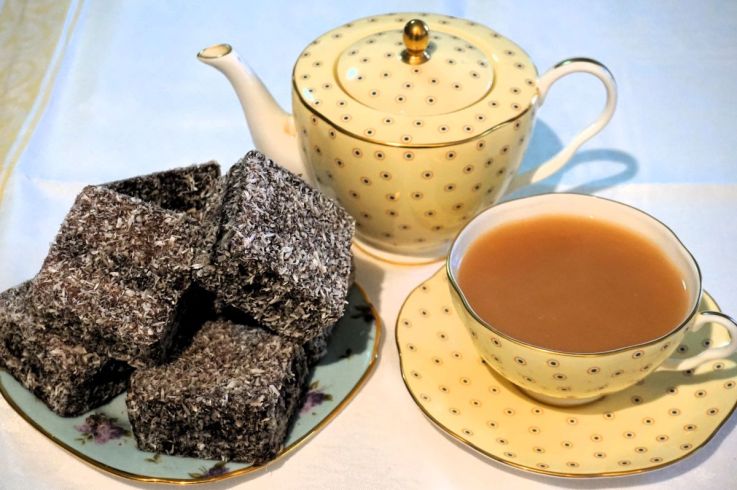
The cake first appeared at the end of the 19th century at Government House in Brisbane, when the Governor, Lord Lamington, asked his chef to cater for unexpected guests. It was a success and spread across the country. A lamington is a square of sponge dipped in chocolate icing and rolled in desiccated coconut; pre-made cake makes them easy, which is why they turn up at community events, fundraisers and fetes.
"Lamington drives" are a familiar way of raising money for schools, churches and other organisations. Growing up in Sydney, I took orders from friends, family and neighbours and made tray after tray in the local church hall. A plate of them never lasts long.
Contributor: Linda, Muy Linda Travel
Mole, Mexico
Mexican mole is a rich sauce of chillies, roasted nuts, seeds and spices, sometimes with fruit and chocolate, which gives it a deep, layered flavour. It takes time, which is why it is mostly made for holidays, family gatherings and celebrations.
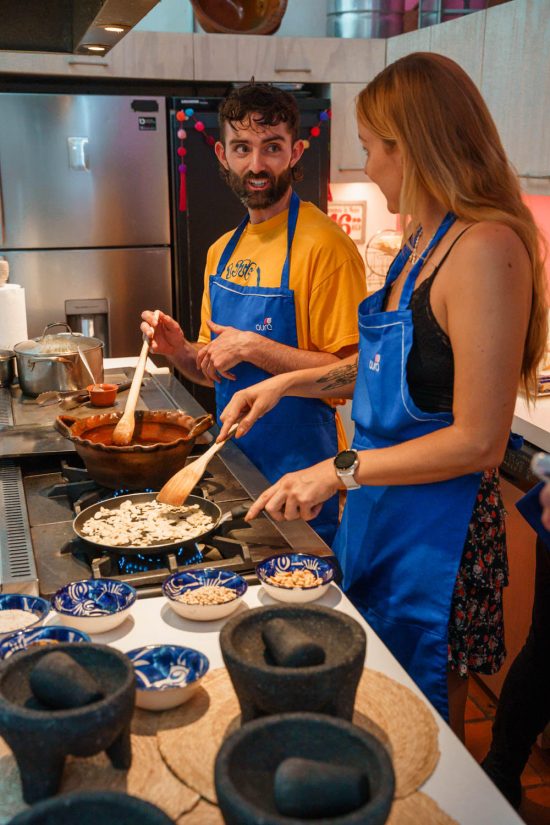
Traditionally it is prepared by hand, with the ingredients ground on a metate, a stone grinder. That can take hours, but the result justifies it. I learned about mole on a cooking class in Mexico City, where we made a white version of the sauce that is typically prepared for weddings.
Contributor: Mal, GetLostInMexicoCity
The same idea, thirteen ways
Put the dishes side by side and the similarities are more striking than the differences: something is cooked slowly or in front of everyone, placed in the middle, and eaten with bread or a spoon by people who have chosen to spend the evening together. The recipes change; the reason for making them does not.
If there is a dish from your own table that belongs on this list, tell me about it in the comments.
Discover more from Europe Diaries
Subscribe to get the latest posts sent to your email.